Islamic New Year and Muharram: Meaning, History and Significance

The Islamic New Year falls on the first day of Muharram, which is the first month in the Hijri calendar. It is also known as the Muslim New Year or Hijri New Year. The year 1447 AH began on June 26, 2025, according to the Gregorian calendar.
Thank you for reading this post, don't forget to subscribe!The Islamic New Year is observed by Muslims around the world. It is a public holiday in more than 24 countries, including Saudi Arabia, Indonesia, Malaysia, Pakistan, the UAE, and several parts of Africa. In India, the 10th day of Muharram (Ashura) is a gazetted holiday, and schools and offices remain closed. However, it is not a public holiday in countries like the United States, Canada, or the United Kingdom.
Understanding the Hijri Calendar
Muslims across the globe follow the Islamic calendar, also known as the Hijri calendar. This is a lunar calendar based on the cycles of the moon. It is used to determine important Islamic events such as Ramadan, Hajj, and Eid.
The word “Hijri” comes from the Hijrah the migration of Prophet Muhammad in 622 CE from Mecca to Medina. This migration was a turning point in Islamic history and marks the beginning of the Islamic calendar.
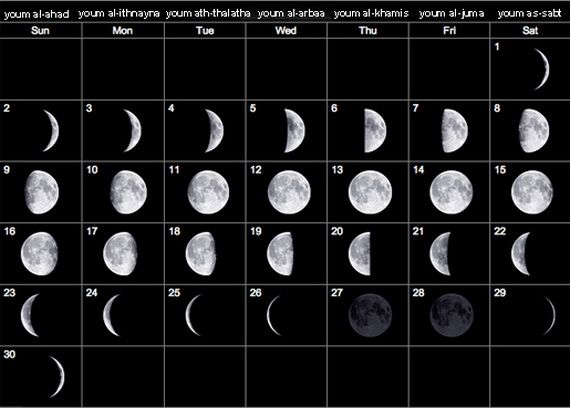
Unlike the Gregorian calendar, which is based on the sun, the Islamic calendar is based on the moon. An Islamic year is about 11 to 12 days shorter than a Gregorian year. Because of this, Islamic months move back each year. Over time, Muharram and other Islamic months are experienced in different seasons.
History of the Islamic New Year
The history of the Islamic New Year dates back to the 7th century CE. During this time, Prophet Muhammad and his followers faced persecution in Mecca because of their beliefs. Their lives were in danger, and they needed a safe place to practice their faith.
Prophet Muhammad and his companions migrated from Mecca to Yathrib, which later became known as Medina. This migration is called the Hijrah, meaning “migration” in Arabic.
In Medina, Prophet Muhammad was warmly welcomed and became a respected leader. He established the Constitution of Medina, which outlined the rights and responsibilities of different communities living in the city, including Muslims, Jews, and other groups. This agreement promoted peace, unity, and justice.
The Hijrah became such an important event that it marked the starting point of the Islamic calendar. Therefore, every Islamic New Year reminds Muslims of this historic journey and its lessons of faith, patience, and sacrifice.
Muharram: A Sacred Month
Muharram is one of the four sacred months in Islam. The word “Muharram” means “forbidden.” It is called so because fighting and bloodshed are forbidden during this month.
Muharram is a time of reflection, repentance, and prayer. Muslims use this period to seek forgiveness from Allah and to improve their character.
The 10th day of Muharram is known as Ashura. This day holds great importance in Islamic history.
According to Islamic tradition, Ashura marks several important events, such as:
- Prophet Noah’s Ark landing safely after the flood
- Prophet Moses parting the Red Sea to save his people
The Battle of Karbala and Ashura
For Shia Muslims, Ashura is a day of deep sorrow. It commemorates the martyrdom of Hussain Ibn Ali, the grandson of Prophet Muhammad, in the Battle of Karbala.
Hussain Ibn Ali refused to accept the rule of Yazid, whom many considered unjust and cruel. Because of his refusal, he and his small group of 72 companions were surrounded in the desert of Karbala (in present-day Iraq).
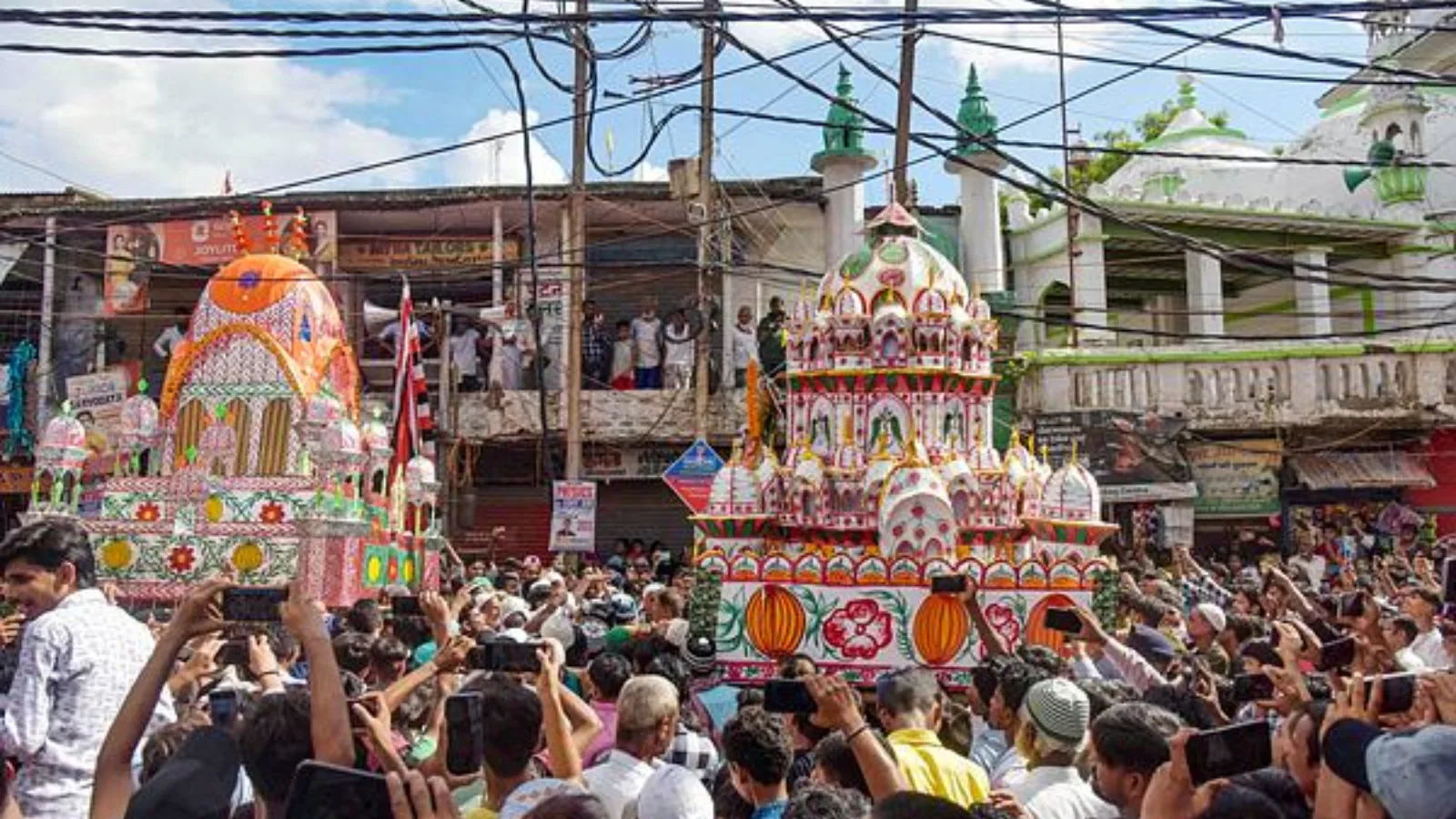
Despite being given the choice to surrender, Hussain stood firm in his principles. He even told his followers to leave and save themselves, but they chose to remain with him. Eventually, he and his companions were killed.
His sacrifice is remembered as a symbol of courage, truth, and standing against injustice.
How Muharram Is Observed
By Shia Muslims
- Dressing in black as a sign of mourning
- Attending majlis (religious gatherings)
- Reciting Ziarat Ashura to honor the martyrs of Karbala
- Performing matam (chest-beating) as an expression of grief
- Avoiding celebrations and joyous events during the first ten days
In some places, self-flagellation is also practiced as a symbolic act of mourning.
These observances are especially common in countries like India, Pakistan, Lebanon, Bahrain, and Afghanistan.
By Sunni Muslims
Sunni Muslims also respect Muharram and consider it a sacred month. They:
- Offer special prayers
- Fast on the 9th and 10th days of Muharram (following the Sunnah of Prophet Muhammad)
- Engage in reflection and repentance
Fasting on Ashura is highly recommended. Prophet Muhammad is said to have fasted on this day and encouraged others to do so.
Different Viewpoints on the New Year
Most Sunni Muslims consider 1 Muharram as the beginning of the Islamic New Year.
However, some Shia Muslims, especially from the Twelver Shia tradition, believe that the new year should begin in Rabi’ al-Awwal, the month in which the Hijrah actually occurred. This difference leads to slight variations in historical understanding and commemorations.
Significance of the Islamic New Year
The Islamic New Year is not usually celebrated with fireworks or large parties. Instead, it is a quiet and spiritual occasion.
It is a time to:
- Reflect on the past year
- Seek forgiveness for mistakes
- Make new spiritual goals
- Strengthen faith
- Help those in need
Many Muslims spend the day in prayer, reading the Qur’an, remembering the Hijrah, and making good intentions for the year ahead.
Some people also give charity and perform acts of kindness. Others spend time in dhikr (remembrance of Allah) and self-improvement.
Conclusion
The Islamic New Year marks more than just the start of a new month. It reminds Muslims of the Hijrah a journey of faith, courage, and hope.
Muharram is a sacred month filled with spiritual meaning. It encourages peace, reflection, and renewal. The story of the Battle of Karbala teaches powerful lessons about standing for truth and justice, even in the face of great hardship.
As the new Hijri year begins, Muslims around the world look forward to improving themselves, strengthening their relationship with Allah, and living with greater compassion and faith.
The Islamic New Year is not about celebration in a worldly sense, but about spiritual growth and remembrance of history that shaped Islam.
Frequently Asked Questions (FAQs)
1. When will Islamic New Year 1447 AH begin?
Islamic New Year 1447 AH began on June 26, 2025, according to the Gregorian calendar.
2. What is Muharram?
Muharram is the first month of the Islamic (Hijri) calendar and is considered one of the four sacred months in Islam.
3. Why is the Islamic calendar called Hijri?
The Islamic calendar is called Hijri because it starts from the Hijrah (migration) of Prophet Muhammad from Mecca to Medina in 622 CE.
4. Why is Muharram important?
Muharram is important because it marks the beginning of the Islamic New Year and includes the day of Ashura, which holds great religious and historical significance.
5. What is Ashura?
Ashura is the 10th day of Muharram. It is observed by fasting by many Sunni Muslims and as a day of mourning by Shia Muslims to remember the martyrdom of Hussain Ibn Ali in the Battle of Karbala.
6. Is Muharram a public holiday in India?
Yes, the 10th day of Muharram (Ashura) is a gazetted public holiday in India.
7. Why does the Islamic New Year change every year?
The Islamic calendar is based on the moon and is about 11–12 days shorter than the Gregorian calendar. That is why Islamic dates shift earlier each year.
8. How do Muslims observe the Islamic New Year?
Muslims observe it through prayer, reflection, fasting, reading the Qur’an, giving charity, and remembering the Hijrah.