Pongal: A Grand Harvest Festival of Gratitude, Tradition, and Tamil Culture

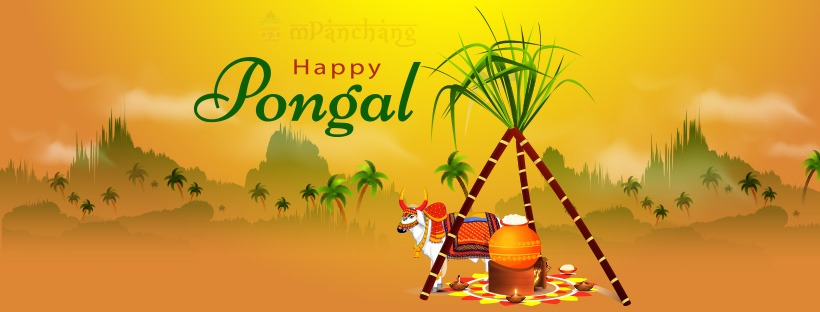
Pongal is one of the most important and joyful festivals celebrated in India, especially in the state of Tamil Nadu. Pongal is a harvest festival that thanks nature, the Sun God, cattle, and farmers for providing food and prosperity. This festival is deeply connected to agriculture, tradition, family values, and cultural pride. Pongal usually comes in the month of January, when crops are harvested and homes are filled with happiness, colors, and delicious food.
Thank you for reading this post, don't forget to subscribe!Pongal is not just a festival; it is a celebration of life, nature, hard work, and gratitude. People clean their houses, wear new clothes, prepare sweet dishes, decorate their homes with kolam (rangoli), and come together to celebrate as one community. Pongal teaches us to respect nature, honor farmers, and live in harmony with the environment.
What Is Pongal?
Pongal is a traditional harvest festival celebrated mainly by Tamil people. The word “Pongal” comes from the Tamil word “Pongu,” which means to boil over. This boiling over of milk and rice is a symbol of prosperity, abundance, and happiness.
During Pongal, newly harvested rice is cooked with milk and jaggery. When the pot boils over, people cheer and shout “Pongalo Pongal,” which means joy and success in life.
Pongal is a thanksgiving festival. People thank:
- The Sun God for energy and warmth
- Nature for rain, soil, and crops
- Farmers for their hard work
- Cattle for helping in farming
When Is Pongal Celebrated?
Pongal is celebrated every year in mid-January, usually from January 14 to January 17. This time marks the end of winter and the beginning of the harvest season. It also coincides with the movement of the Sun into the zodiac sign Capricorn, which is known as Uttarayan.
This period is considered very auspicious in Indian culture.
Why Is Pongal Important?
Pongal is important for many reasons:
- Celebration of Harvest
Pongal marks the successful harvest of crops like rice, sugarcane, and turmeric. - Gratitude to Nature
The festival reminds people to respect nature and live in balance with the environment. - Honor to Farmers
Pongal highlights the importance of farmers and agriculture in our lives. - Cultural Identity
Pongal preserves Tamil culture, traditions, and values. - Family Bonding
Families come together, share food, and celebrate happiness.
History and Origin of Pongal
The history of Pongal goes back more than 2000 years. Ancient Tamil literature, including Sangam texts, mentions harvest festivals similar to Pongal.
In olden times, farming was the main occupation. People depended on nature for rain, sunlight, and fertile land. Pongal was celebrated to thank the Sun God and natural forces for a good harvest.
Kings and villages organized grand celebrations, cultural performances, and feasts. Over time, Pongal became a major festival and an important part of Tamil identity.
Four Days of Pongal Festival
Pongal is celebrated for four days, and each day has a special meaning and importance.
1. Bhogi Pongal – Day of Renewal
Bhogi Pongal is celebrated on the first day. This day is dedicated to cleaning and renewal.
What Happens on Bhogi Pongal?
- Old clothes, broken items, and waste are thrown away
- Homes are cleaned thoroughly
- Bonfires are lit in the morning
- People pray for a fresh start in life
Bhogi symbolizes letting go of negativity and welcoming positivity.
2. Thai Pongal – Main Pongal Day
Thai Pongal is the most important day of the festival. It is celebrated on the first day of the Tamil month Thai.
Rituals of Thai Pongal
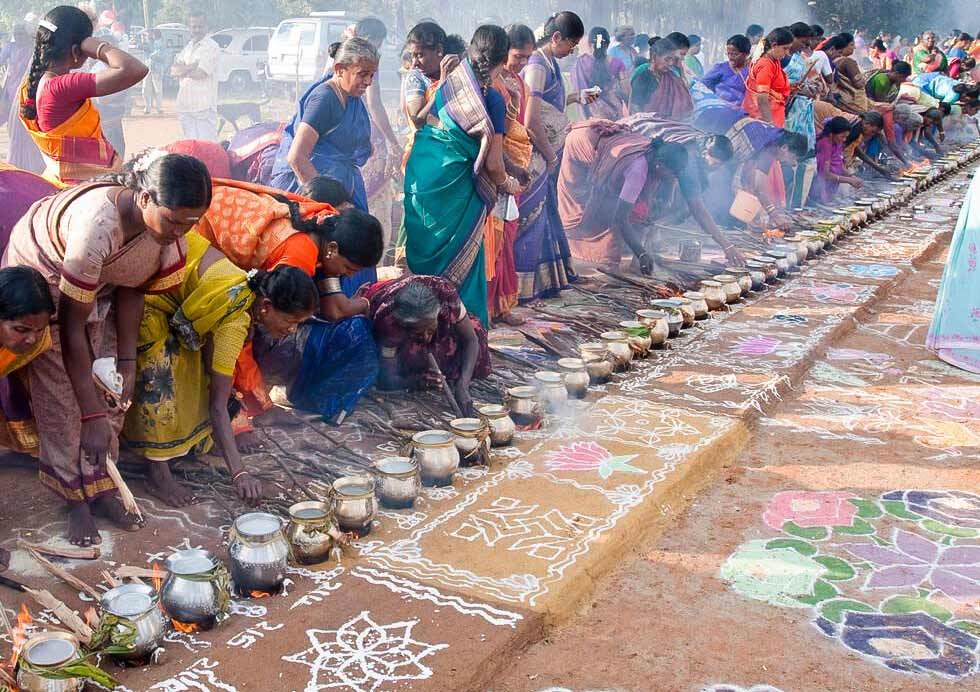
- Rice, milk, and jaggery are cooked outdoors
- The pot is decorated with turmeric leaves and flowers
- When the dish boils over, people celebrate loudly
- Sun God is worshipped
The dish prepared on this day is also called Pongal.
3. Mattu Pongal – Honoring Cattle
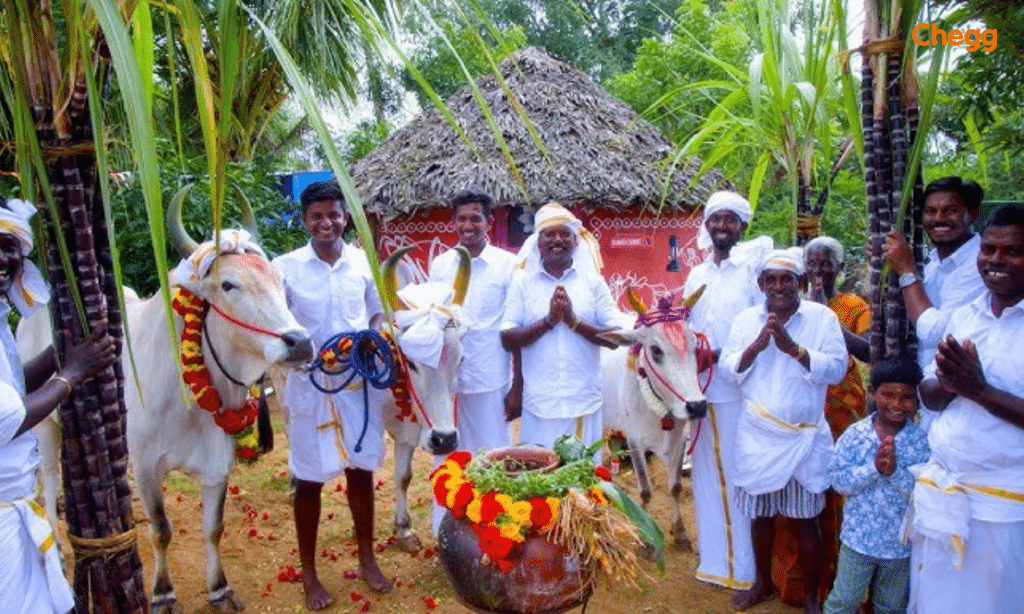
Mattu Pongal is celebrated on the third day. This day is dedicated to cows and bulls, which play a major role in farming.
Activities on Mattu Pongal
- Cattle are bathed and decorated
- Horns are painted with bright colors
- Garlands are placed around their necks
- Special prayers are offered
Cattle are treated as family members on this day.
4. Kaanum Pongal – Family and Community Day
Kaanum Pongal is the last day of the festival. This day is for visiting relatives, picnics, and social bonding.
What People Do
- Visit friends and family
- Go to parks or riverbanks
- Share food and sweets
- Pray for family happiness
Kaanum Pongal strengthens relationships and unity.
Traditional Pongal Food

Food plays a very important role in Pongal celebrations.
Sweet Pongal
- Made with rice, milk, jaggery, ghee, nuts
- Symbol of sweetness and prosperity
Ven Pongal
- Made with rice and lentils
- Simple and tasty dish
Other Foods
- Sugarcane
- Banana
- Coconut
- Vadai
- Sambar
All dishes are made using fresh harvest ingredients.
Kolam and Decorations
Homes are decorated beautifully during Pongal.
Kolam (Rangoli)
- Made with rice flour
- Drawn at house entrances
- Represents prosperity and welcome
Decorations Include
- Mango leaves
- Flowers
- Clay pots
- Sugarcane sticks
These decorations bring positivity and festive joy.
Clothes and Gifts
- People wear new traditional clothes
- Women wear sarees and jewelry
- Men wear dhoti and shirts
- Elders give gifts and blessings to children
Pongal Celebrations in Villages
In villages, Pongal is celebrated with great joy.
- Community feasts
- Folk dances
- Bull races
- Traditional music
- Cultural programs
Villages come alive with energy and happiness.
Pongal in Cities
In cities, Pongal is celebrated in a modern way.
- Housing societies organize events
- Schools conduct Pongal programs
- Offices give holidays
- Cultural shows and competitions
Even in cities, people try to keep traditions alive.
Pongal and Nature
Pongal teaches important lessons:
- Respect nature
- Save water
- Protect animals
- Value food
- Reduce waste
It reminds us that humans depend on nature for survival.
Pongal Celebrations Outside India
Tamil people across the world celebrate Pongal in:
- Sri Lanka
- Malaysia
- Singapore
- Canada
- USA
- Australia
Cultural organizations host Pongal events to keep traditions alive.
Modern Changes in Pongal
While traditions remain, some changes are seen:
- Gas stoves instead of firewood
- Online greetings
- Eco-friendly decorations
- Social media celebrations
Still, the heart of Pongal remains the same.
Importance of Pongal for Children
Pongal teaches children:
- Cultural values
- Respect for farmers
- Importance of food
- Gratitude and sharing
Schools often conduct Pongal celebrations to educate students.
Pongal and Unity
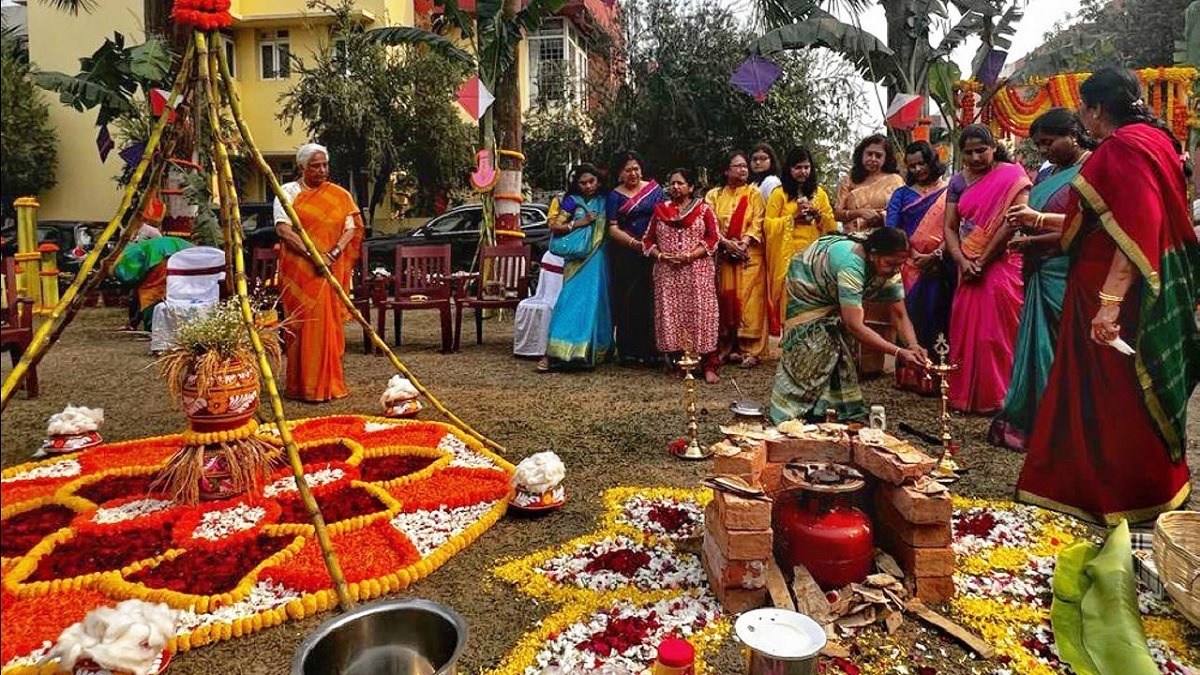
Pongal is celebrated by people of all religions and communities. It spreads:
- Love
- Peace
- Unity
- Harmony
It is a festival beyond caste and class.
Environmental Message of Pongal
Pongal promotes:
- Organic farming
- Natural living
- Eco-friendly lifestyle
- Sustainability
This message is very important today.
Conclusion
Pongal is more than a festival; it is a way of life. It celebrates food, nature, hard work, family, and tradition. Pongal teaches us to be thankful for what we have and to live in harmony with the world around us.
In today’s fast life, Pongal reminds us to slow down, connect with our roots, and celebrate simple joys. Whether in villages or cities, in India or abroad, Pongal continues to bring happiness, hope, and unity.
Pongal is a festival of gratitude, abundance, and cultural pride, and it will always hold a special place in Indian tradition.
Frequently Asked Questions (FAQs) About Pongal
1. What is Pongal?
Pongal is a harvest festival celebrated mainly in Tamil Nadu to thank the Sun God, nature, farmers, and cattle.
2. When is Pongal celebrated?
Pongal is celebrated every year in mid-January, usually from January 14 to January 17.
3. Why is Pongal important?
Pongal is important because it celebrates harvest, shows gratitude to nature, and honors farmers and agriculture.
4. How many days is Pongal celebrated?
Pongal is celebrated for four days: Bhogi Pongal, Thai Pongal, Mattu Pongal, and Kaanum Pongal.
5. What food is prepared during Pongal?
Sweet Pongal made with rice, milk, and jaggery is the main dish prepared during the festival.
6. Who celebrates Pongal?
Pongal is mainly celebrated by Tamil people, but people from other communities also join the celebrations.
7. What does Pongal symbolize?
Pongal symbolizes prosperity, happiness, gratitude, and a fresh beginning.
8. Is Pongal celebrated outside India?
Yes, Pongal is celebrated by Tamil communities in countries like Sri Lanka, Malaysia, Singapore, Canada, and the USA.