World Radio Day: The Voice That Connects the World

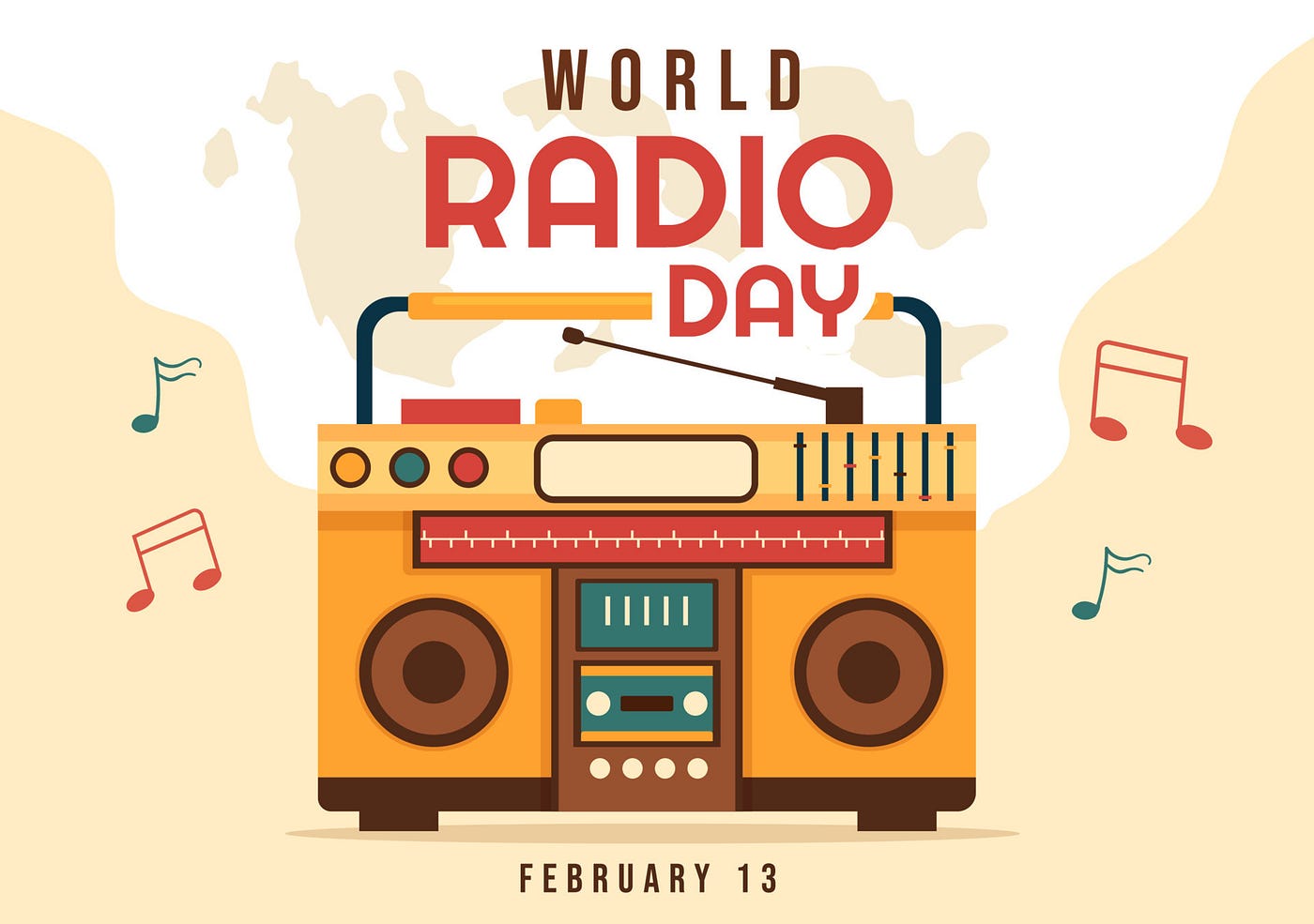
World Radio Day is celebrated every year on 13 February across the world. It is a special day to honor radio, one of the oldest and most trusted forms of mass communication. Even in today’s age of smartphones, social media, and the internet, radio continues to play a very important role in sharing news, education, culture, and entertainment. It reaches millions of people every day, including those living in remote villages, hilly areas, forests, and disaster-affected regions.
Thank you for reading this post, don't forget to subscribe!World Radio Day (WRD) is an annual global observance on February 13th, established by UNESCO in 2011 and later endorsed by the United Nations General Assembly in 2012. The main aim of this day is to celebrate radio as a powerful, accessible, and low-cost medium that connects people, promotes diversity, supports freedom of expression, and helps communities during emergencies.
What is World Radio Day?
World Radio Day is a global celebration that recognizes the value of radio in our daily lives. On this day, radio stations, media organizations, governments, schools, and communities come together to highlight how radio helps in:
- Sharing accurate information
- Providing education
- Giving a voice to the voiceless
- Promoting culture and local languages
- Supporting people during natural disasters and emergencies
- Encouraging peace, dialogue, and understanding
Radio is unique because it does not need the internet, smartphones, or expensive devices. A simple radio set or even a basic mobile phone is enough to listen to radio programs.
Why is World Radio Day Celebrated on February 13?
World Radio Day is observed on February 13 because on this date in 1946, the United Nations Radio began its first broadcast. This marked an important moment in global communication, as radio started being used to spread messages of peace, cooperation, and development worldwide.
To honor this historical event, UNESCO chose February 13 as World Radio Day.
History of World Radio Day
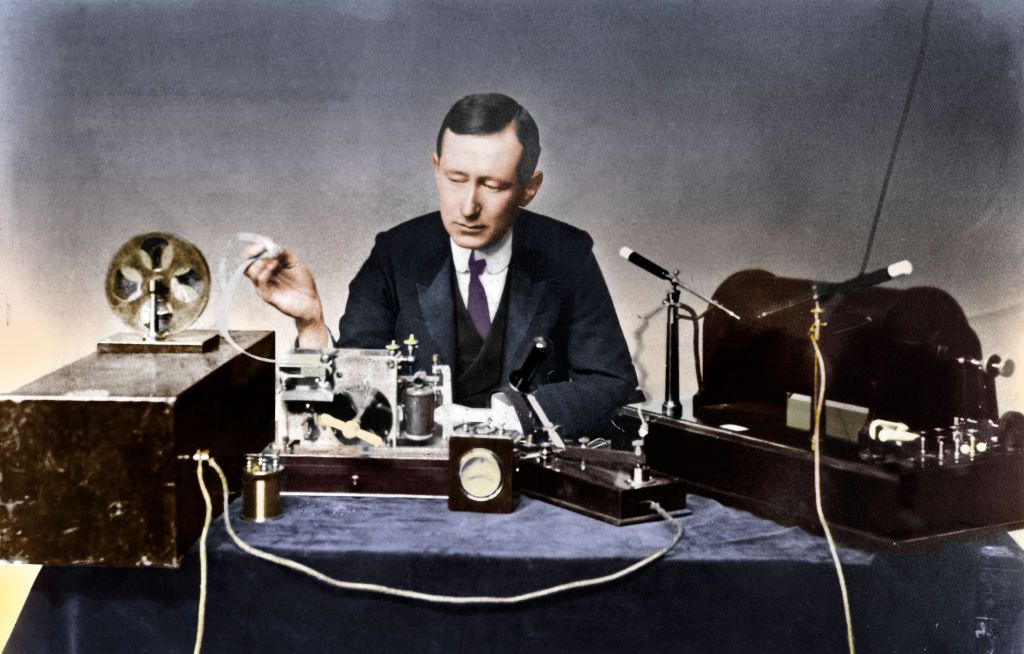
Origin of World Radio Day
- In 2011, the UNESCO Member States officially proclaimed February 13 as World Radio Day.
- In 2012, the United Nations General Assembly adopted and endorsed this proclamation.
Since then, World Radio Day has been celebrated every year across the globe.
Role of UNESCO
UNESCO (United Nations Educational, Scientific and Cultural Organization) plays a key role in promoting freedom of expression, media development, and cultural diversity. By establishing World Radio Day, UNESCO highlighted the importance of radio in:
- Strengthening democracy
- Supporting independent journalism
- Promoting cultural identity
- Connecting communities
Importance of Radio in Today’s World
Many people think radio is outdated because of television and the internet. But this is not true. Radio is still one of the most powerful communication tools in the world.
1. Radio Reaches the Widest Audience
Radio reaches more people than any other media. It is available in:
- Big cities
- Small villages
- Remote rural areas
- Conflict zones
- Disaster-hit regions
Even where electricity or internet is not available, radio often continues to work.
2. Low-Cost and Easy to Access
Radio is very affordable:
- Radio sets are cheap
- Listening is usually free
- No internet or data is needed
This makes radio very important for poor and marginalized communities.
3. Radio During Emergencies and Disasters
Radio plays a life-saving role during emergencies such as:
- Floods
- Earthquakes
- Cyclones
- Forest fires
- Pandemics
During such times, radio provides:
- Emergency warnings
- Safety instructions
- Updates from authorities
- Hope and reassurance
When mobile networks and the internet fail, radio often continues to broadcast.
4. Radio Promotes Education
Radio is a strong educational tool, especially in developing countries. Educational radio programs help in:
- Teaching school subjects
- Adult literacy programs
- Health awareness
- Farming and agriculture tips
- Skill development
During the COVID-19 pandemic, radio helped millions of students continue learning from home.
5. Radio Supports Freedom of Expression
Radio gives people a platform to:
- Share opinions
- Discuss social issues
- Raise community problems
- Express culture and traditions
Community radio stations especially help local people speak in their own language and talk about their own issues.
World Radio Day and Cultural Diversity
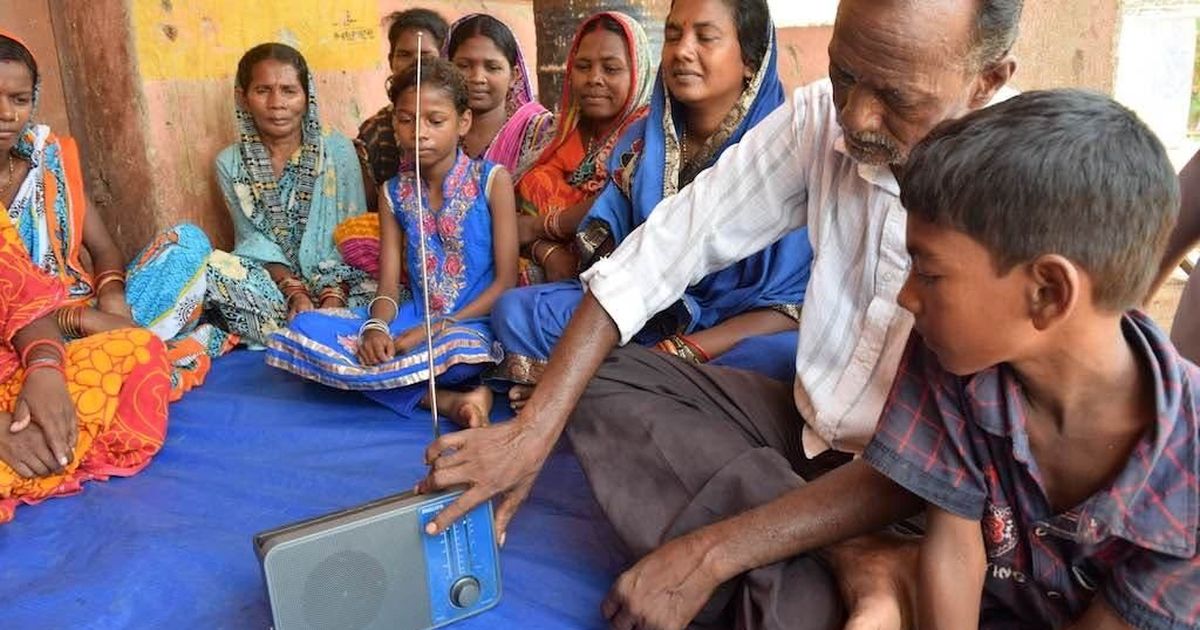
Radio is a strong supporter of cultural diversity. It helps preserve:
- Local languages
- Folk music
- Traditional stories
- Indigenous knowledge
Community radio stations play songs, stories, and discussions that reflect local culture and identity. This helps people feel connected to their roots.
World Radio Day Themes
Each year, World Radio Day is celebrated with a specific theme. These themes focus on how radio can help solve modern-day challenges.
Examples of Recent and Upcoming Themes
- “Radio and Climate Change” (2025)
This theme focuses on how radio spreads awareness about climate change, environmental protection, and sustainable living. - “Radio and Artificial Intelligence (AI)” (2026)
This theme highlights how radio is adapting to new technologies like AI, digital tools, and smart broadcasting systems.
Themes help radio stations and organizations create special programs related to global issues.
Role of Radio in the Digital Age
Even in the digital age, radio continues to evolve.
1. Online Radio and Podcasts
Today, radio is not limited to FM or AM signals. Many radio stations now offer:
- Online streaming
- Mobile apps
- Podcasts
- Social media interaction
This helps radio reach young audiences as well.
2. Radio and Artificial Intelligence (AI)
AI is changing radio in many ways:
- Automated news reading
- Smart music playlists
- Voice recognition
- Better audience engagement
World Radio Day 2026 focuses on how AI can support radio without losing human values.
3. Community Radio and Local Voices
Community radio is growing stronger. It helps local communities by:
- Sharing local news
- Supporting farmers
- Promoting women’s voices
- Encouraging youth participation
This makes radio more people-centered and democratic.
Importance of World Radio Day for Students
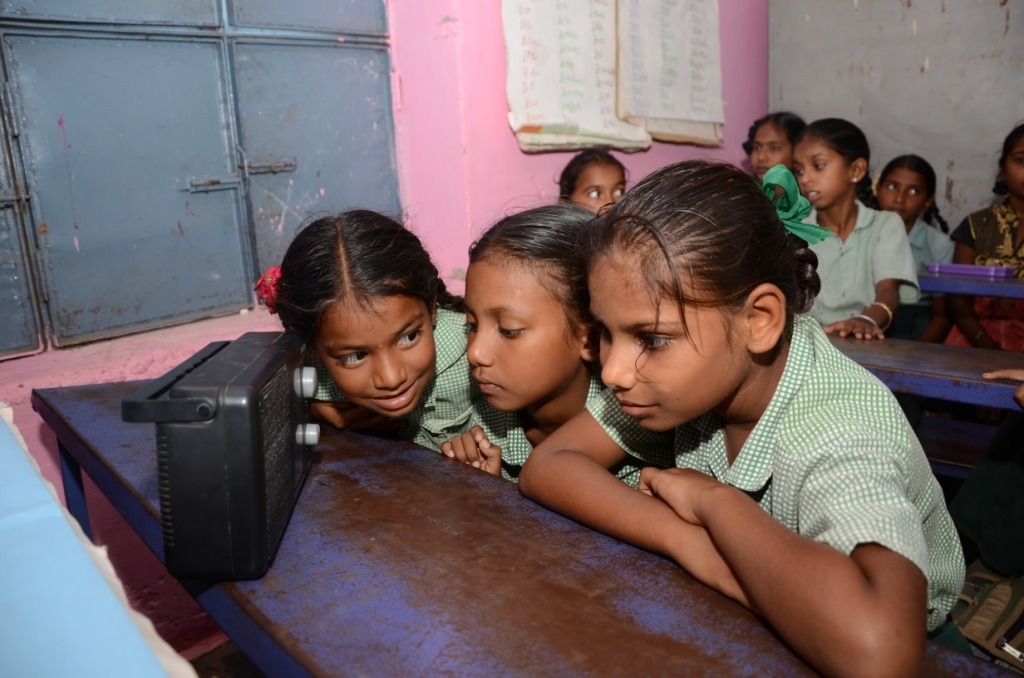
For students, World Radio Day is important because it teaches:
- The value of communication
- The role of media in society
- The importance of freedom of expression
- How technology and tradition can work together
Schools and colleges often organize:
- Radio talks
- Essay competitions
- Debates
- Awareness programs
How World Radio Day is Celebrated
World Radio Day is celebrated in many ways around the world:
- Special radio programs and discussions
- Interviews with radio journalists
- Cultural shows and music programs
- Workshops and seminars
- Social media campaigns
UNESCO also encourages radio stations to promote peace, diversity, and dialogue on this day.
Radio as a Tool for Peace and Unity
Radio helps build peace by:
- Encouraging dialogue
- Reducing misunderstandings
- Promoting tolerance
- Sharing positive stories
In conflict areas, radio plays a role in spreading messages of unity and hope.
Challenges Faced by Radio Today
Despite its importance, radio faces many challenges:
- Competition from digital media
- Lack of funding
- Political pressure
- Technological changes
World Radio Day helps raise awareness about these challenges and encourages support for independent radio.
Future of Radio

The future of radio is bright because:
- It adapts to new technology
- It remains trusted by people
- It serves communities directly
- It works even in difficult conditions
With support from governments, organizations, and listeners, radio will continue to grow.
Conclusion: Why World Radio Day Matters
In essence, World Radio Day honors radio’s enduring power to inform, unite, and empower people worldwide. It reminds us that radio is not just a machine, but a voice of the people. From sharing news to saving lives during disasters, from educating students to preserving culture, radio continues to play a vital role in society.
World Radio Day encourages us to appreciate this simple yet powerful medium and support its growth in a fast-changing world.
FAQs on World Radio Day
1. What is World Radio Day?
World Radio Day is a global observance celebrated on 13 February to recognize the importance of radio as a medium for information, education, and communication.
2. When is World Radio Day celebrated?
World Radio Day is celebrated every year on 13 February.
3. Who started World Radio Day?
World Radio Day was proclaimed by UNESCO in 2011 and later adopted by the United Nations General Assembly in 2012.
4. Why is radio important even today?
Radio is affordable, easy to access, and works without the internet. It is very useful in remote areas and during emergencies.
5. What is the main aim of World Radio Day?
The main aim is to promote radio as a tool for freedom of expression, education, peace, and cultural diversity.
6. How does radio help during emergencies?
Radio provides emergency alerts, safety instructions, and important updates when other communication systems fail.
7. What is the theme of World Radio Day?
Every year, World Radio Day has a special theme focusing on global issues like climate change or new technologies such as AI.