Inside Shooting Sport: Accuracy, Discipline, Success

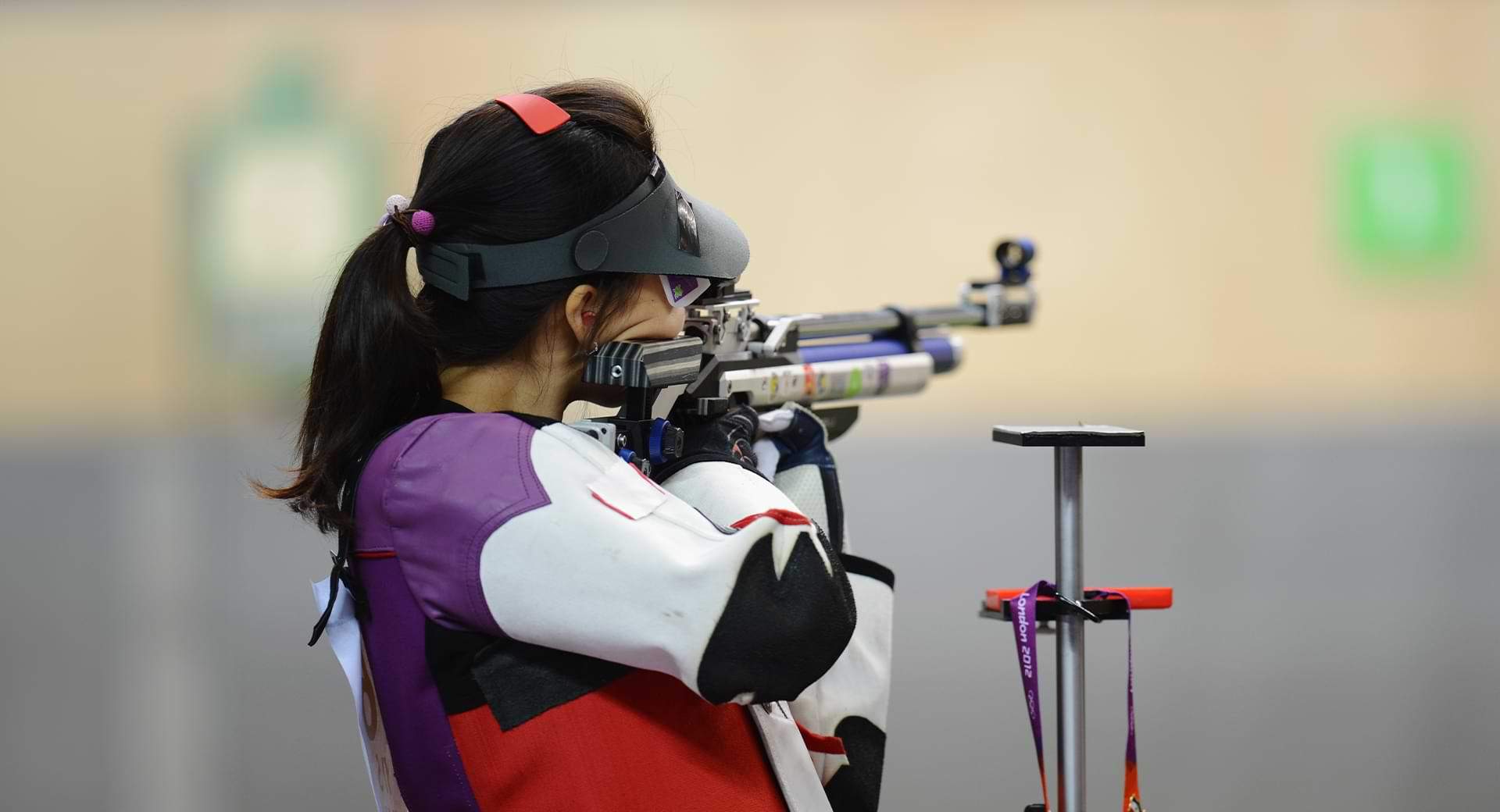
Shooting is the act of firing or launching a projectile from a ranged weapon such as a gun, rifle, pistol, bow, or crossbow. It is both a sport and a skill, where accuracy, focus, and control are very important. In simple words, shooting means hitting a target from a distance using proper technique.
Thank you for reading this post, don't forget to subscribe!Shooting can be done for different purposes such as:
- Sports competitions
- Hunting
- Self-defense
- Military training
In sports, shooting is a highly respected Olympic event where players aim to hit targets with great precision.
What is Shooting Sport?
Shooting sport is a competitive activity where players use guns like rifles, pistols, or shotguns to hit targets. The goal is to score maximum points by aiming accurately.
This sport has a long history. Shooting competitions started in the 19th century, and today they are held at:
- Olympic Games
- World Championships
- National-level tournaments
The sport is controlled internationally by organizations like the International Shooting Sport Federation (ISSF).
Number of Players in Shooting
Unlike team sports like football or cricket, shooting is mainly an individual sport.
Player Details:
- Usually 1 player competes individually
- Some events may include team categories
- Each player performs separately and scores are compared
So, there is no fixed number of players on a field at one time, as shooters take turns.
Types of Shooting Events
Shooting has many different formats depending on the weapon used.
1. Rifle Shooting
- Uses long guns (rifles)
- Targets are placed at distances like 10m, 25m, or 50m
2. Pistol Shooting
- Uses handguns
- Requires strong hand control and balance
3. Shotgun Shooting
- Targets are moving (clay targets)
- Includes:
- Trap shooting
- Skeet shooting
Equipment Used in Shooting
Shooting requires special equipment for safety and accuracy.
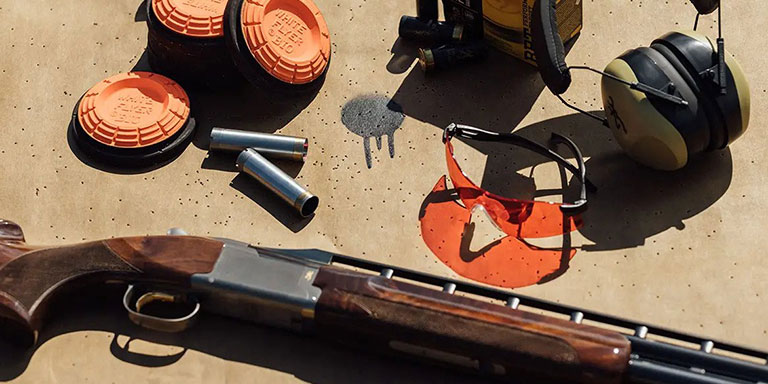
Main Equipment:
- Rifle / Pistol / Shotgun
- Ammunition (bullets or pellets)
- Targets
- Shooting range
Safety Equipment:
- Ear protection (earplugs or earmuffs)
- Eye protection (shooting glasses)
- Shooting jacket for stability
Supporting Equipment:
- Shooting gloves
- Shooting shoes
- Slings (to support the rifle)
Dress Code in Shooting
Shooting has a specific dress code to ensure safety and fairness.
Common Dress Rules:
- Shooting jacket (for support and balance)
- Shooting trousers
- Flat-soled shoes
- Cap or visor (to reduce glare)
- Eye and ear protection
The dress must follow international rules, especially in competitions like the Olympics.
Player Eligibility in Shooting
To become a shooter, players must meet certain requirements.
Basic Eligibility:
- Minimum age depends on competition level
- Must have good physical and mental health
- Requires proper training and discipline
- Must follow firearm safety rules
Skills Required:
- Strong concentration
- Good eyesight and hand control
- Patience and calmness
Duration of the Game
Shooting does not have a fixed “match time” like football or basketball.
Duration depends on:
- Type of event
- Number of shots
- Competition rules
Example:
- A 10m air rifle event may last around 60–90 minutes
- Players are given a fixed number of shots within a time limit
Shooting Techniques
Shooting is not just about pulling the trigger. It involves proper technique.
Key Factors:
- Breathing control – steady breathing helps accuracy
- Body position – stability is very important
- Focus – aiming correctly at the target
- Trigger control – smooth and steady pressing
Shooting Positions
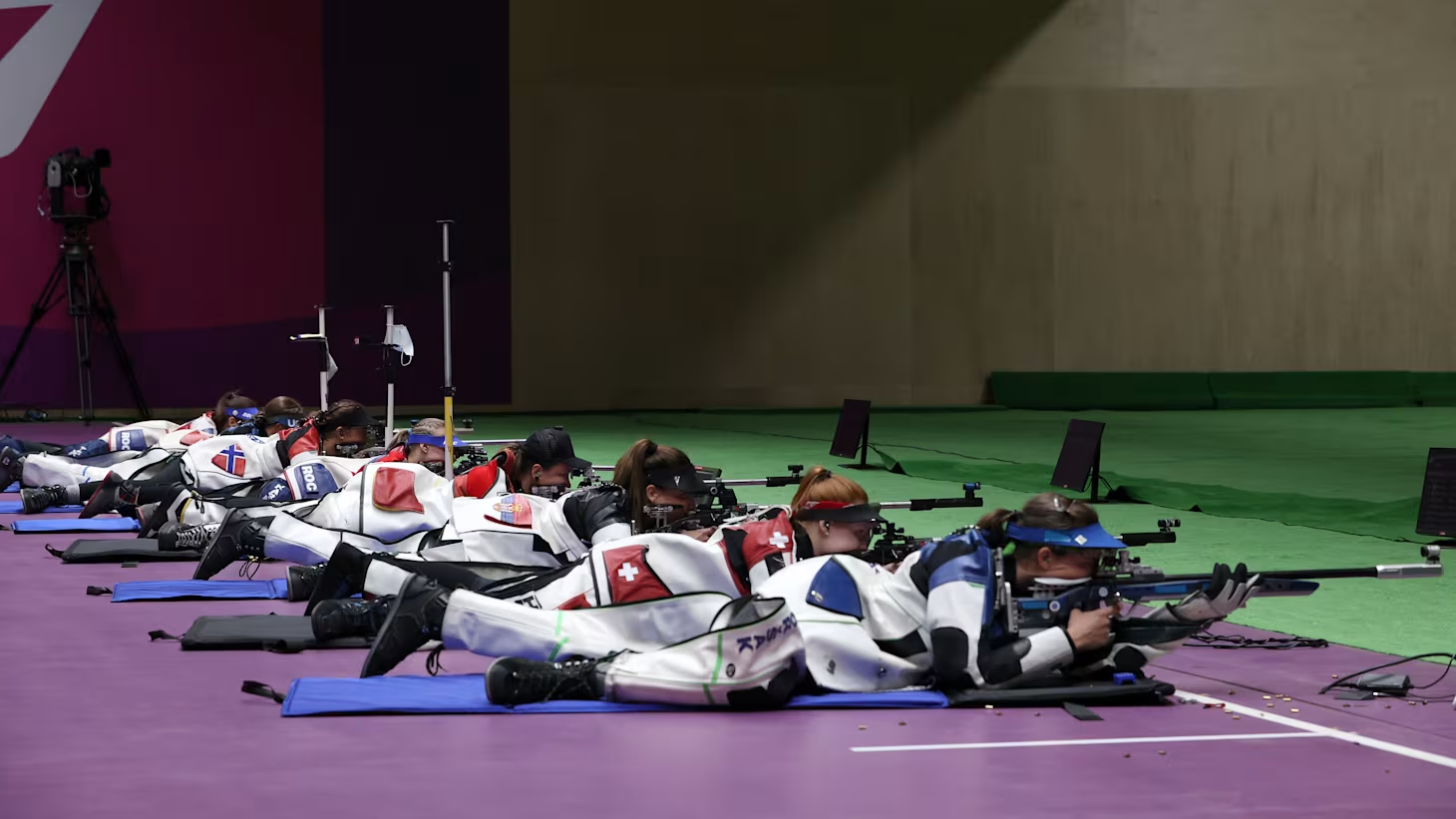
There are four main shooting positions used in competitions:
1. Prone Position
- Shooter lies flat on the ground
- Most stable and accurate position
- Common in rifle shooting
2. Sitting Position
- Shooter sits on the ground
- Offers good balance
- Slightly less stable than prone
3. Kneeling Position
- One knee on the ground
- Faster than sitting
- Used in many competitions
4. Standing Position (Offhand)
- Shooter stands upright
- Most difficult position
- Requires strong balance and control
Importance of Shooting Positions
Each position has its own advantages:
- Prone – best stability
- Sitting – moderate stability
- Kneeling – faster movement
- Standing – most flexible but hardest
Players must practice all positions to become skilled.
Major Shooting Competitions
Shooting is played at many national and international levels.
Important Competitions:
- Olympic Games
- World Shooting Championships
- Asian Games
- Commonwealth Games
These competitions help players gain recognition and represent their country.
Successful Shooting Players (World)
Some famous shooters in the world include:
These players have won multiple Olympic medals and inspired many others.
Successful Indian Shooters
India has produced many great shooters who have made the country proud.
Famous Indian Shooters:
- Abhinav Bindra – India’s first individual Olympic gold medalist (2008)
- Rajyavardhan Singh Rathore – Olympic silver medalist
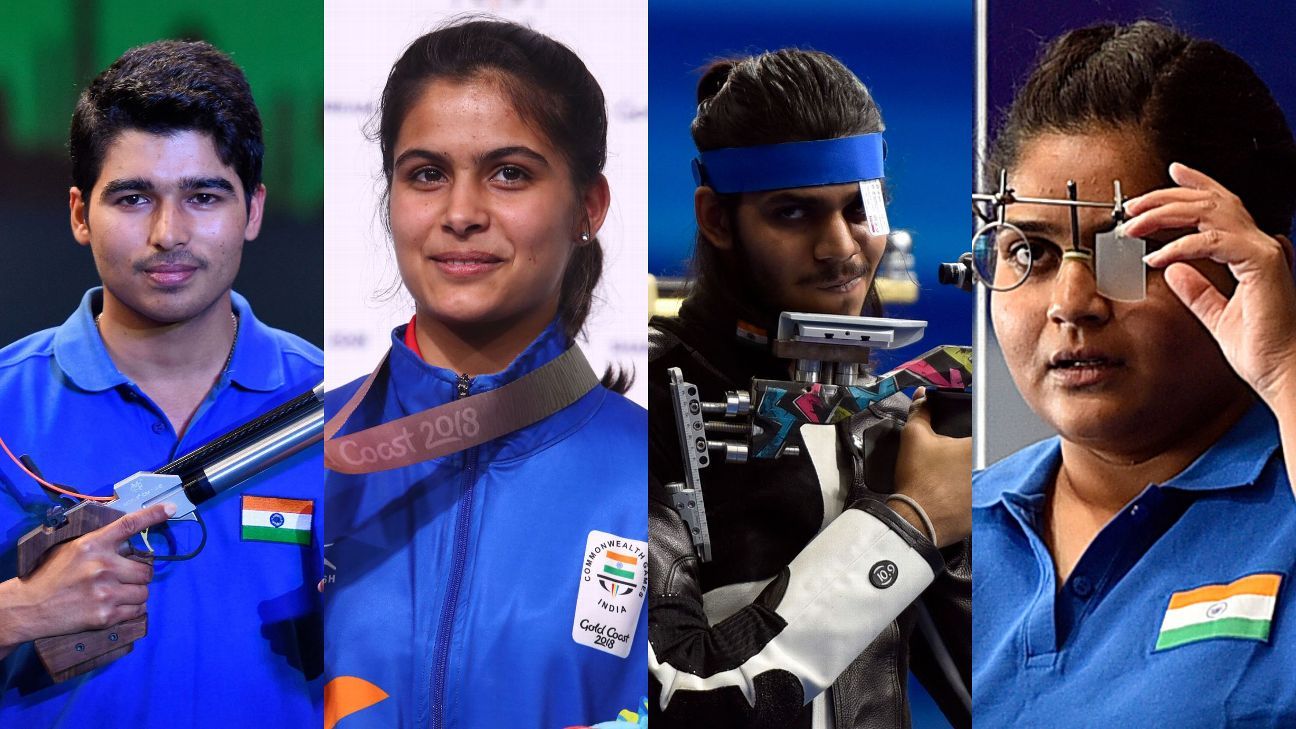
- Manu Bhaker – young and talented shooter
- Gagan Narang – Olympic bronze medalist
- Apurvi Chandela – world-class rifle shooter
India’s Role in Shooting
India has emerged as a strong force in shooting sports over the past two decades, with consistent performances in international competitions like the Olympics, Asian Games, and Commonwealth Games. The country’s rise began with the historic Olympic gold medal by Abhinav Bindra in 2008, which inspired a new generation of shooters. Athletes such as Gagan Narang, Manu Bhaker, and Apurvi Chandela have further strengthened India’s position globally. With improved training facilities, government support, and increasing youth participation, India continues to produce world-class shooters and is considered a rising powerhouse in the sport.
Shooting in the Olympics
Shooting has been part of the Olympics since 1896.
Olympic Shooting Features:
- Different categories (rifle, pistol, shotgun)
- Separate events for men and women
- High level of competition
Winning a medal in shooting is considered a great achievement.
Benefits of Shooting Sport
Shooting is not just a sport, it also builds many important skills.
Benefits:
- Improves concentration
- Develops patience
- Enhances mental strength
- Builds discipline
- Improves hand-eye coordination
Safety Rules in Shooting
Safety is the most important part of shooting.
Basic Safety Rules:
- Always handle weapons carefully
- Never point a gun at anyone
- Use safety equipment
- Follow instructor’s guidance
- Keep weapons unloaded when not in use
Challenges in Shooting
Shooting is not an easy sport.
Common Challenges:
- Requires expensive equipment
- Needs long practice hours
- High mental pressure
- Requires strong focus and discipline
Future of Shooting in India
The future of shooting in India looks very promising as the country continues to invest in sports infrastructure and talent development. With the success of champions like Abhinav Bindra and rising stars such as Manu Bhaker, more young athletes are getting inspired to take up shooting as a career. Improved training facilities, international exposure, and government support through sports programs are helping players perform better at global levels. India is consistently producing world-class shooters who are capable of winning medals in major events like the Olympics and World Championships, making the country a strong contender in the future of shooting sports.
Conclusion
Shooting is a skill-based and highly disciplined sport that requires focus, patience, and accuracy. It is played individually and offers many opportunities at national and international levels. With growing interest and strong performances, India is becoming a major force in shooting sports.
Whether as a hobby or a professional career, shooting teaches valuable life skills like concentration, control, and confidence.
FAQs About Shooting
1. What is shooting sport?
Shooting sport is a game where players use guns to hit targets with accuracy.
2. How many players are in shooting?
Shooting is mainly an individual sport with one player competing at a time.
3. What equipment is used in shooting?
Rifles, pistols, ammunition, targets, and safety gear like glasses and ear protection are used.
4. What are the main types of shooting?
Rifle shooting, pistol shooting, and shotgun shooting are the main types.
5. What is the duration of a shooting match?
It depends on the event, usually lasting between 60 to 90 minutes.
6. What skills are needed for shooting?
Focus, patience, steady hands, and good eyesight are important.
7. What are the main shooting positions?
Prone, sitting, kneeling, and standing positions are commonly used.
8. Is shooting safe?
Yes, if proper safety rules and equipment are followed.
9. Who is the most famous Indian shooter?
Abhinav Bindra is one of the most famous Indian shooters.
10. Is shooting an Olympic sport?
Yes, shooting has been part of the Olympics since 1896.