



The Hmars Tribe of Assam: History, Culture, and Traditions

The Hmars Tribe of Assam represents one of the most fascinating indigenous communities in Northeast India. Spread across Assam, Mizoram, Manipur, Meghalaya, and neighboring regions, the Hmars trace their ancestry to ancient migrations from Burma and China. Known for their unique customs, vibrant traditions, social structures, and resilience, the Hmars are considered one of the oldest branches of the Chin-Kuki-Mizo groups.
Thank you for reading this post, don't forget to subscribe!Despite the challenges of modernity and displacement, the Hmars Tribe of Assam has preserved its cultural identity through language, rituals, festivals, and a strong sense of community. This blog explores their history, migration patterns, social and religious practices, and cultural richness that make them a distinctive part of Assam’s tribal heritage.
Migration and Settlement Patterns
The Hmars Tribe of Assam trace their origin to western China and Burma, with migration routes that brought them into Mizoram, Manipur, and eventually Assam. Oral traditions and historical accounts reveal that the Hmars once occupied larger areas before conflicts with neighboring tribes, natural calamities, and political pressures pushed them into specific pockets of Assam, particularly in the North Cachar Hills (Dima Hasao district).
Unlike some tribes who adopted a nomadic lifestyle, the Hmars established semi-permanent villages with well-structured communities. Their settlements reflected careful planning, often located near water sources and fertile lands. The constant cycle of migration due to warfare and resource needs shaped their resilient and adaptive nature.
Demography and Literacy Levels
The Hmars Tribe of Assam remains a relatively small community, but their presence is strongly felt in the cultural fabric of the state. According to census records and anthropological studies, their numbers are higher in Mizoram and Manipur but significant in Assam’s hill districts.
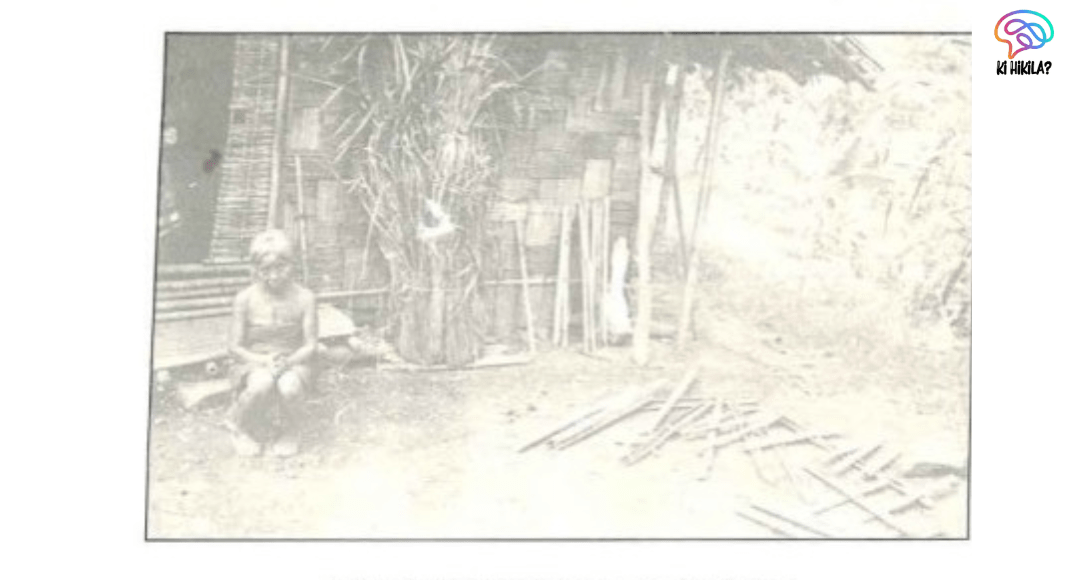
Traditionally, literacy among the Hmars was low, with oral traditions and folklore playing a central role in knowledge transmission. However, the arrival of Christian missionaries in the late 19th and early 20th centuries brought formal education and literacy. Today, the Hmars boast a much higher literacy rate than in the past, with many members contributing to education, politics, and public service in Assam.
Domestic Life and Village Structure
The Hmars Tribe of Assam maintain well-organized villages led by a chief, known as the Lal. Villages are typically arranged around a central pathway, with houses built on stilts for protection against wild animals and floods.
Each household is largely self-sufficient, practicing agriculture, animal rearing, weaving, and handicrafts. Extended families often live close together, reinforcing strong kinship ties. Women play an essential role in domestic life—managing the household, weaving, brewing rice beer, and assisting in cultivation.
Houses and Household Equipment
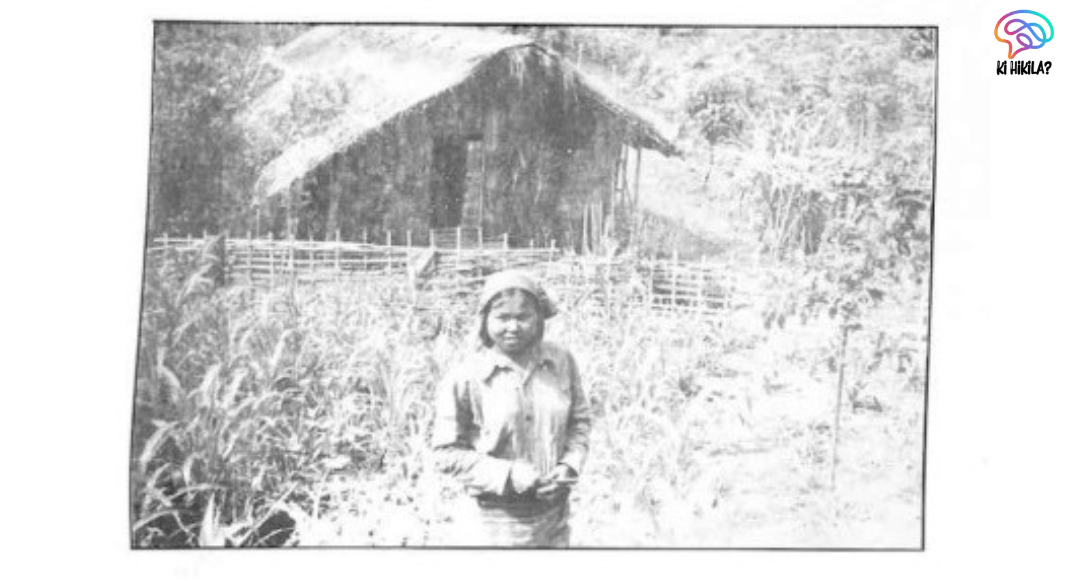
Traditional Hmar houses are made of bamboo, wood, and thatch. Elevated structures with bamboo floors protect against moisture, while the thatched roofs shield from heavy monsoon rains. Inside, simple equipment such as wooden mortars, weaving looms, bamboo baskets, and clay pots form the essentials of daily life.
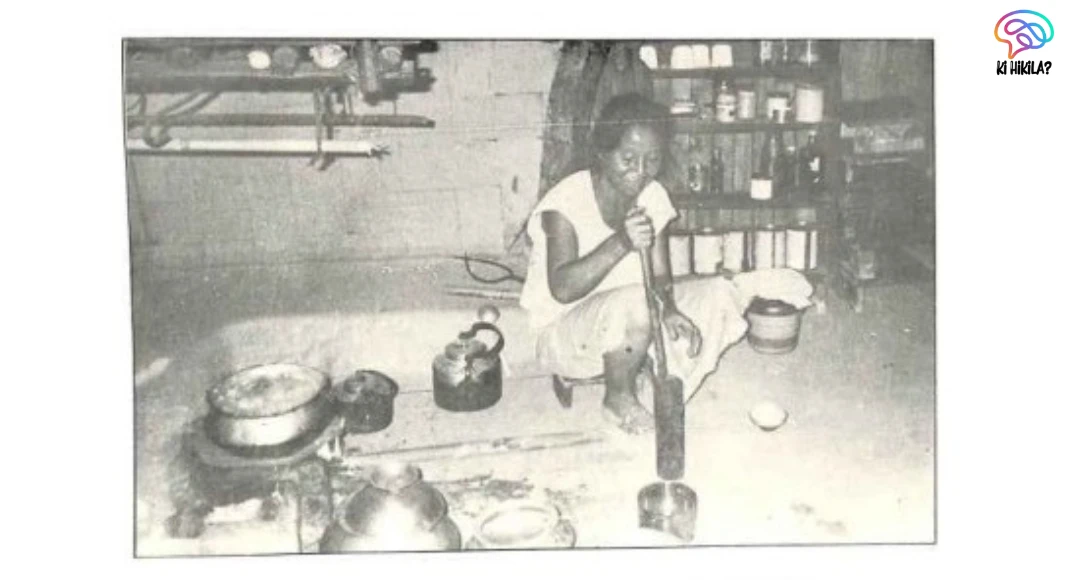
These homes are not just dwellings but also cultural spaces where oral traditions, folk songs, and stories are passed down through generations.
Traditional Attire and Ornaments
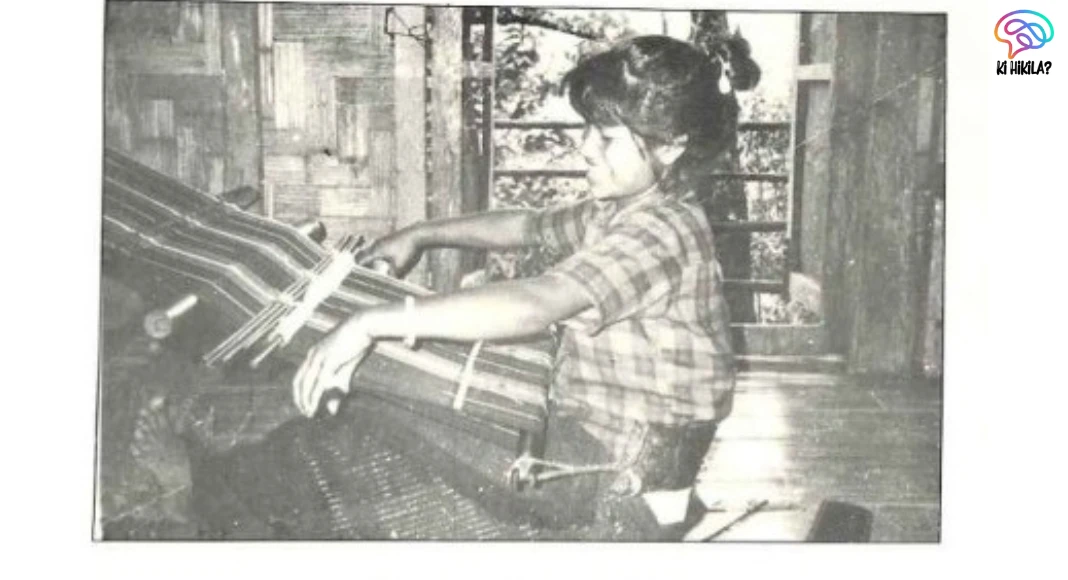
The traditional dress of the Hmars Tribe of Assam is colorful and symbolic. Men often wear handwoven cloths wrapped around the waist, accompanied by shawls during festive occasions. Women wear intricately woven skirts (puan) and blouses, with vibrant designs reflecting tribal motifs.
Ornaments such as beads, necklaces, and earrings are commonly used, often made from locally available materials like brass, bamboo, and wood. Weaving remains a central cultural practice, with each design carrying historical and social significance.
Food Habits and Rice Beer Culture
Rice is the staple food of the Hmars Tribe of Assam, supplemented with vegetables, meat, fish, and forest produce. The preparation of smoked meat and fermented bamboo shoots is especially common.
A defining feature of their culture is zu or rice beer. Brewed locally, it plays a vital role in social gatherings, festivals, and ceremonies. Rice beer is not merely a drink but a symbol of hospitality, bonding, and communal harmony.
Dance, Music, and Indigenous Instruments
Music and dance are inseparable from the cultural life of the Hmars. Traditional dances, often performed during festivals or after successful hunts, reflect the joys and struggles of their community life.
Instruments like the khuang (drum), gongs, and bamboo flutes accompany these performances. Songs, passed orally, tell stories of migration, war, love, and nature. Dance and music also serve as tools of identity preservation, distinguishing the Hmars from other neighboring tribes.
Social Life: The Role of Buonzawl
An interesting feature of the Hmars Tribe of Assam is the Buonzawl, or the youth dormitory system. Much like the morung of the Nagas, the Buonzawl served as a community training center where young men and women were taught social values, tribal customs, defense skills, and community service.

Although less common today, the Buonzawl once acted as the backbone of Hmar society, ensuring that every generation carried forward the tribe’s traditions and responsibilities.
Family and Marriage Customs
The family is the core unit of the Hmars society, with a patriarchal structure. Marriages are traditionally arranged, although love marriages are also recognized. Bride price, in the form of livestock or valuables, is often exchanged, symbolizing the value of the union.
Wedding ceremonies are accompanied by feasts, rice beer, and community dances. Monogamy is the norm, though historical accounts mention polygamy among chiefs and wealthy families. Divorce is allowed but rare, and widows are often cared for within the extended family.
Birth and Death Rituals
Birth ceremonies among the Hmars involve blessings, naming rituals, and sometimes feasts. Newborns are considered gifts from the divine, and names are often chosen based on ancestral lineage or natural elements.
Death rituals are elaborate, with burial being the most common practice. Mourning includes communal participation, songs, and rituals to ensure the safe passage of the soul. In earlier times, animal sacrifices were made during funerals, but such practices have declined with the spread of Christianity.
Religion and Beliefs of the Hmars
Traditionally, the Hmars Tribe of Assam practiced animism, worshipping natural elements, ancestral spirits, and deities. They believed in the close connection between humans, nature, and the spiritual world.
However, with the arrival of Christian missionaries in the 19th century, many Hmars converted to Christianity. Today, the majority identify as Christians, with churches becoming central to social and spiritual life. Nevertheless, remnants of their old beliefs survive in folklore, rituals, and cultural practices.
Political Life and Village Administration
The village chief, or Lal, historically held absolute authority over village affairs. He was assisted by elders and a council, ensuring justice, land distribution, and the welfare of the community.
This political system fostered unity and discipline within the tribe. Although modern governance has reduced the chief’s power, traditional leadership roles still carry respect and influence among the Hmars of Assam.
Wars, Raids, and Heroic Traditions
The Hmars Tribe of Assam were historically known for their bravery. Inter-tribal wars, raids, and headhunting were part of their past, reflecting the harsh realities of survival in the hill tracts. Songs and folklore often glorify these heroic deeds, preserving the memories of warriors and chiefs who defended their land and people.
Today, while such practices no longer exist, the stories of valor remain central to their identity and pride.
The Hmars in Modern Times
The Hmars Tribe of Assam, while deeply rooted in tradition, have embraced modern education, governance, and religion. Many Hmars now serve as teachers, civil servants, politicians, and professionals. Youth from the community actively engage in cultural preservation, reviving dances, songs, and weaving practices.
Challenges remain, such as economic marginalization and loss of traditional practices due to globalization. Yet, the resilience of the Hmars continues to ensure their identity survives in the rapidly changing landscape of Assam.
Conclusion
The Hmars Tribe of Assam embodies the rich cultural diversity of Northeast India. Their migration history, unique traditions, community structures, and vibrant social life offer invaluable insights into indigenous ways of living. Despite the challenges of modernization, the Hmars have held on to their identity with pride, making them a vital part of Assam’s tribal mosaic.
Preserving the heritage of the Hmars Tribe of Assam is not only essential for the community but also for understanding the broader cultural richness of Assam and India as a whole.