




Education in Assam is closely linked to the state’s cultural and social development. The education system in Assam has evolved significantly, transitioning from traditional pathshalas and madrasas to modern institutions that offer digital and global learning opportunities. Today, the focus of Assam education extends beyond mere literacy; it aims to empower individuals to thrive in a rapidly changing world.
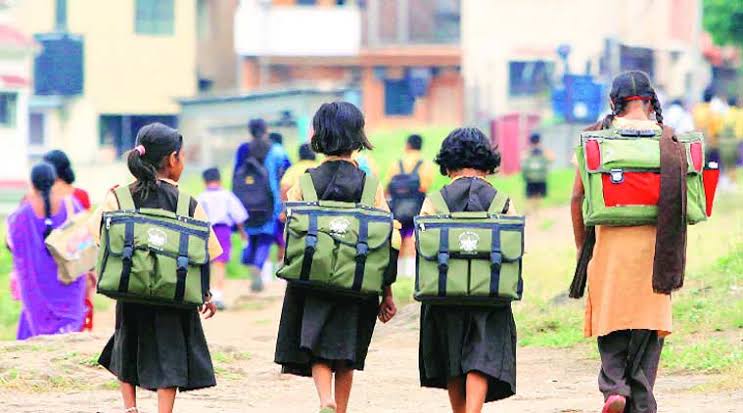
The education system comprises a network of schools, colleges, and universities, managed by both the government and private sectors. The government has also implemented major initiatives to make education more inclusive, with a particular emphasis on rural areas, tribal communities, and underprivileged students.

Structure of the Assam Education System
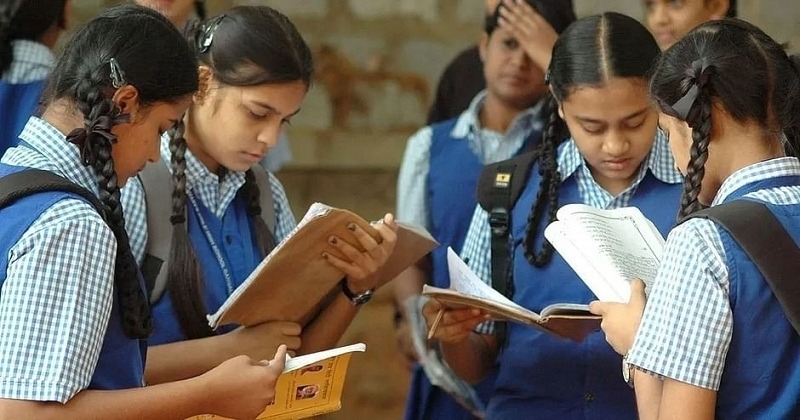
- Assam follows the standard 10+2+3 system, which means 10 years of schooling, 2 years of higher secondary, and 3 years of college education.
- The structure includes several stages: Pre-primary, Primary, Secondary, and Higher Education, each designed to build a strong academic foundation and promote skill-based learning.
- Assam education is guided by multiple boards and authorities, ensuring that the curriculum matches both national standards and local needs.
Pre-Primary Education

- The pre-primary stage focuses on children aged between 3 and 6 years. It’s a crucial phase where kids develop their first learning habits.
- Most pre-primary schools in Assam are attached to government primary schools or private institutions.
- The state government, through initiatives like Anganwadi Centres, provides basic early childhood education, health, and nutrition support.
- This level aims to create readiness for formal schooling through play-based activities, storytelling, and creative exercises.
Primary Education

- Primary Assam education includes classes I to V, catering to children aged 6 to 11 years.
- The Sarba Siksha Abhiyan (SSA) plays a key role in universalizing primary education, ensuring every child has access to quality schooling.
- Free textbooks, mid-day meals, and scholarships for girl students and economically weaker sections help boost enrollment and retention rates.
- Teachers receive regular training under programs such as NIPUN Assam, which strengthens foundational learning outcomes in language and arithmetic.
- Despite improvements, rural and tribal schools still face challenges like inadequate infrastructure and teacher shortages.
Upper Primary and Secondary Education
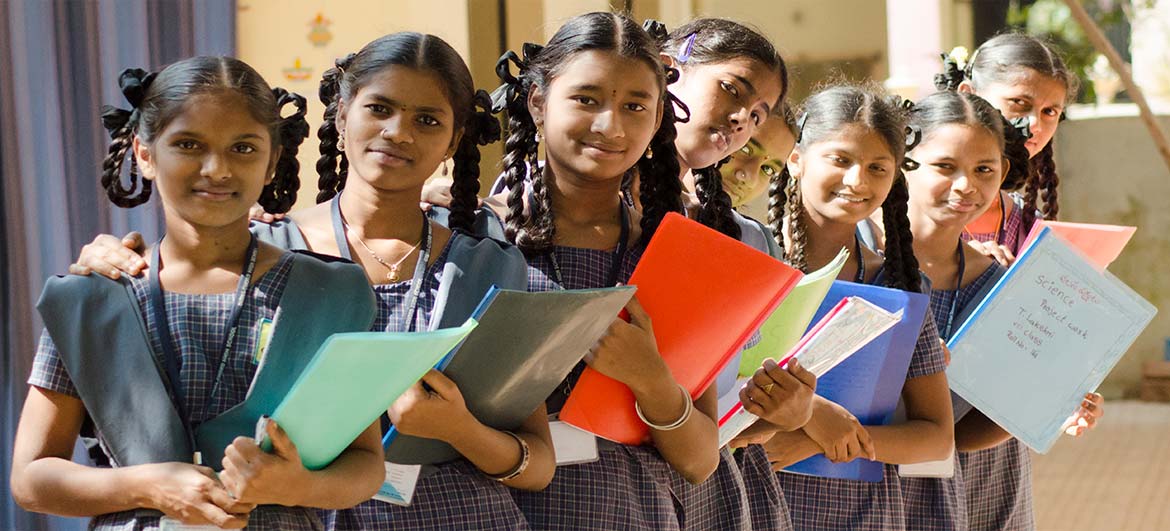
- The upper primary stage (classes VI to VIII) and secondary education (classes IX to X) aim to deepen academic understanding and introduce vocational awareness.
- The Rashtriya Madhyamik Shiksha Abhiyan (RMSA) has modernized secondary schools by improving classrooms, laboratories, and libraries.
- Vocational subjects and skill-based programs have been introduced to prepare students for employment after schooling.
- Digital classrooms and smart boards are being gradually added, especially in government schools, under initiatives like Digital India.
- Students also participate in co-curricular activities, environmental projects, and cultural programs to promote holistic development.
Higher Secondary Education
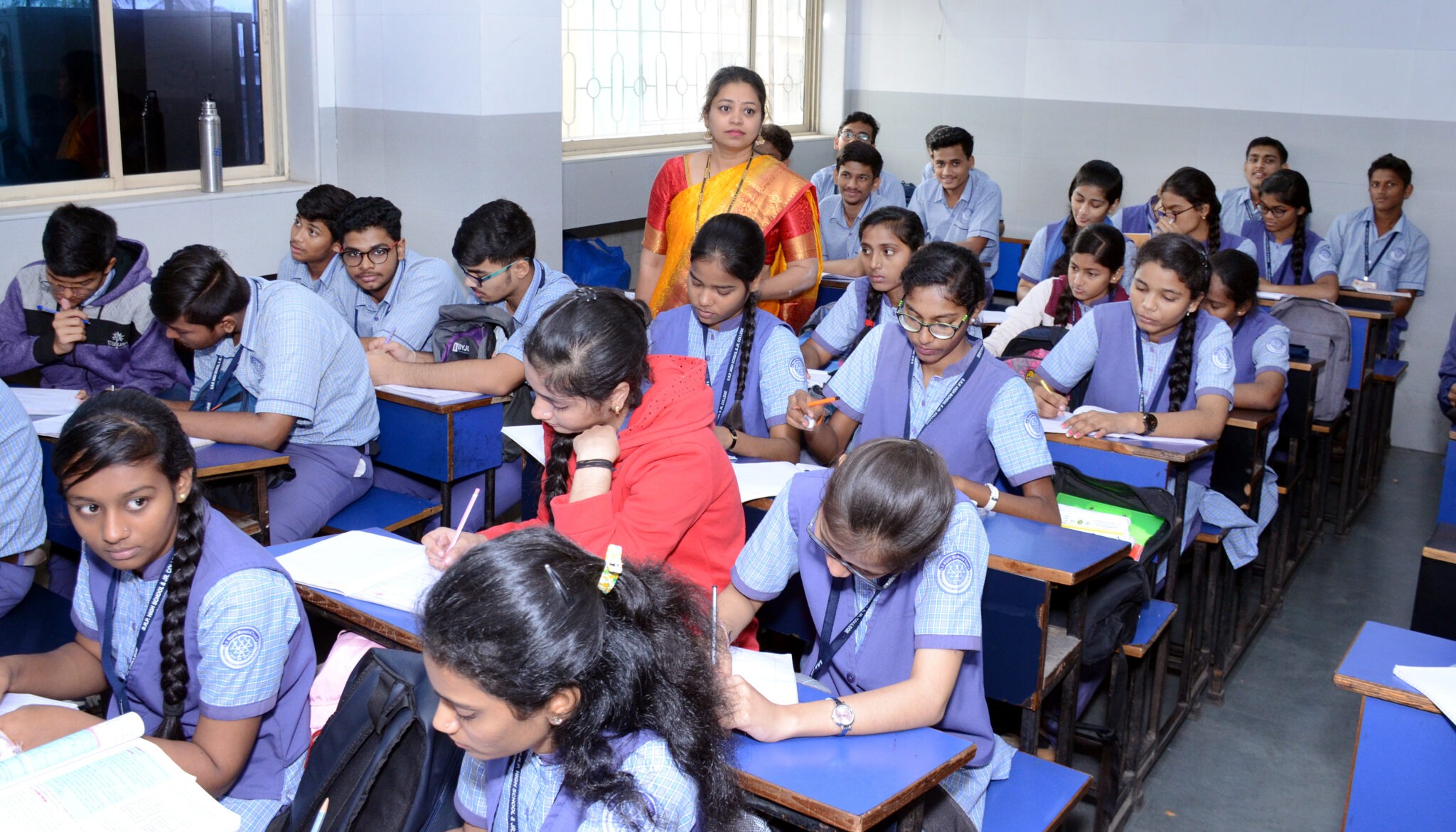
- The higher secondary stage covers classes XI and XII, managed by the Assam Higher Secondary Education Council (AHSEC).
- Students choose from three main streams: Arts, Science, and Commerce, depending on their interests and career goals.
- Many colleges and senior secondary schools in Assam offer specialized subjects like computer science, psychology, and biotechnology.
- The Council ensures that syllabi are updated in line with the National Education Policy (NEP) 2020, integrating critical thinking and project-based learning.
- Students are encouraged to explore research, creative fields, and technical education to prepare for higher studies.
Higher Education in Assam
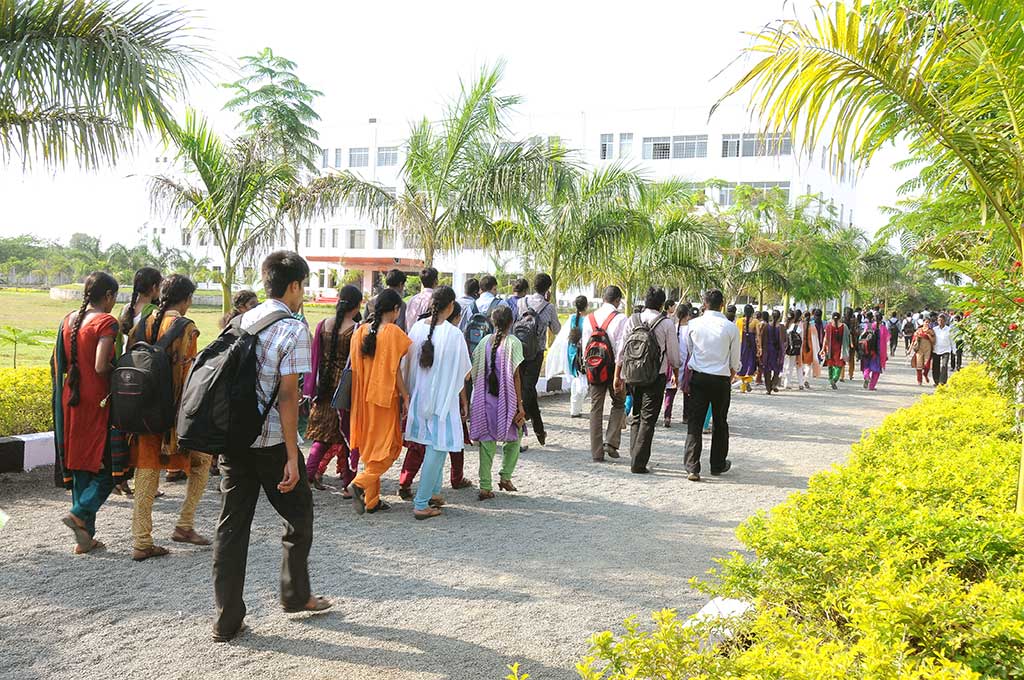
- Assam is home to several prestigious universities such as Gauhati University, Dibrugarh University, Tezpur University, and Assam University.
- Professional institutes like IIT Guwahati and AIIMS Guwahati have made the state a regional hub for higher education and research.
- State universities and private colleges offer undergraduate and postgraduate programs across disciplines like humanities, engineering, medical sciences, and management.
- Distance and open education systems like Krishna Kanta Handiqui State Open University (KKHSOU) provide opportunities to working professionals and remote learners.
- With the implementation of NEP 2020, Assam’s universities are focusing more on multidisciplinary and flexible curriculum models.
Major Education Boards in Assam
- SEBA (Board of Secondary Education, Assam): Responsible for regulating and conducting examinations for classes IX and X. It ensures curriculum relevance, exam transparency, and school recognition.
- AHSEC (Assam Higher Secondary Education Council): Handles higher secondary level examinations, syllabus design, and quality assessment.
- CBSE and ICSE Schools: Many private schools follow these boards, offering students exposure to national-level education standards.
- Together, these boards create diverse academic pathways for students to choose from, balancing traditional values with modern skills.
Government Initiatives and Schemes
- The Assam government has launched several schemes to strengthen the education sector, reduce dropout rates, and promote gender equality.
- Free Uniforms and Textbooks: Distributed to students up to class VIII to encourage school attendance.
- Mid-Day Meal Scheme: Provides nutritious meals to enhance concentration and reduce classroom hunger.
- Beti Bachao Beti Padhao: Encourages the education of girls in rural and semi-urban areas.
- Digital Education Projects: Use of tablets, online classes, and e-content to improve accessibility and digital literacy.
- Gunotsav: A unique quality assessment program that evaluates schools on learning outcomes, infrastructure, and management efficiency.
Technical and Vocational Education
- Assam is gradually promoting technical and vocational education to meet employment demands in industries like agriculture, tourism, IT, and manufacturing.
- Industrial Training Institutes (ITIs) and Polytechnic Colleges offer diploma courses and hands-on training to bridge the gap between academic learning and practical skills.
- The Assam Skill Development Mission collaborates with industries to offer youth skill-based training and entrepreneurship opportunities.
- Vocational subjects are also being integrated into school-level curricula to help students explore diverse career paths early.
Challenges in the Assam Education System
- Despite notable progress, Assam faces challenges such as inadequate infrastructure in rural schools and uneven quality of education.
- Teacher shortages, outdated teaching methods, and a lack of digital resources affect learning efficiency in remote areas.
- Dropout rates remain higher among economically weaker sections and tribal communities due to financial and social constraints.
- Floods and natural disasters often disrupt schooling in many districts, affecting attendance and learning continuity.
- To overcome these challenges, the state is investing more in technology-enabled education, teacher recruitment, and rural school reforms.
Reforms and Future Vision
- The National Education Policy (NEP) 2020 has become the guiding framework for Assam’s education reform.
- The focus now is on integrating digital classrooms, skill-based subjects, and flexible learning models to suit diverse learners.
- The state is also emphasizing regional languages while promoting English and Hindi for national-level opportunities.
- Partnerships with NGOs and international education bodies are helping introduce global teaching methodologies.
- In the future, Assam aims to create an education ecosystem that blends technology, inclusivity, and employability.
Conclusion: Building a Brighter Future through Education in Assam
The Assam education system is in a phase of steady transformation. From traditional roots to embracing global educational models, the journey reflects the state’s determination to empower its youth. The government, along with teachers and communities, is continuously working to overcome infrastructural and social barriers. As new policies like NEP 2020 take shape, Assam education is becoming more holistic, skill-oriented, and accessible. The true success of this system lies in ensuring that every child, whether in a remote village or an urban school, receives equal opportunities to learn, grow, and contribute to the future of Assam.