


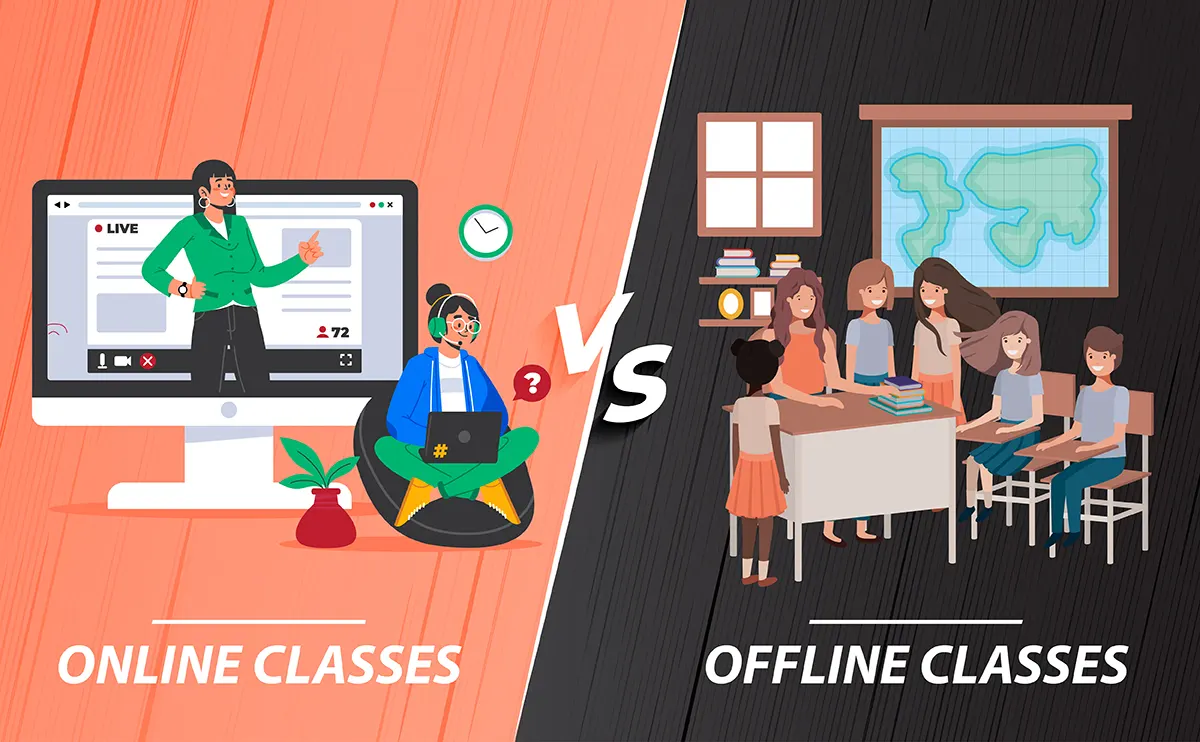
Online vs Offline Education: Which Is Better in India?

Introduction
Education in India has changed dramatically over the past few years. What was once limited to classrooms, blackboards, and face-to-face teaching has expanded into digital platforms, recorded lectures, and virtual classrooms. Today, students and parents often face an important question: online vs offline education, which is better in India?
Both modes of education have their strengths and challenges. While online learning offers flexibility and accessibility, offline education provides structure and personal interaction. This cluster blog helps students understand how both systems work in the Indian context and how to choose the best option based on learning style, goals, and resources.

Understanding Online Education in India
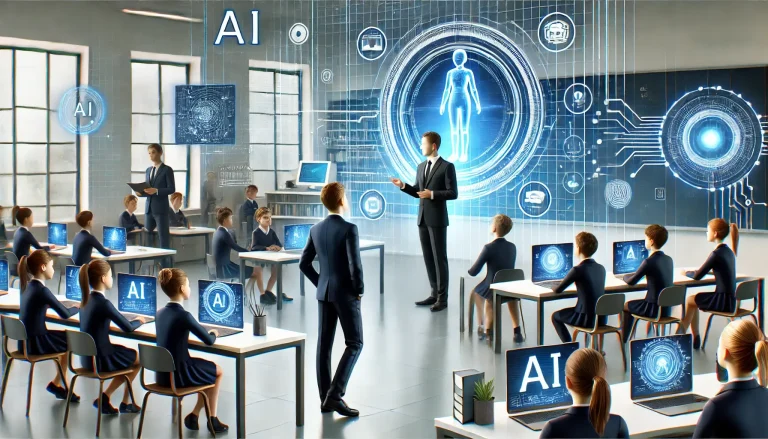
Online education refers to learning through digital platforms using the internet. Classes are conducted via videos, live sessions, recorded lectures, apps, or learning portals.
In India, online education became widely accepted during the pandemic and has continued to grow due to affordable smartphones and improved internet connectivity. Students can attend classes from home, watch recorded lessons multiple times, and learn at their own pace. Online education is popular for competitive exam preparation, skill development courses, and higher education certifications.
However, online learning demands self-discipline. Without a fixed routine, many students struggle to stay focused. Internet issues, screen fatigue, and lack of physical interaction can also affect learning outcomes, especially for younger students.
Understanding Offline Education in India
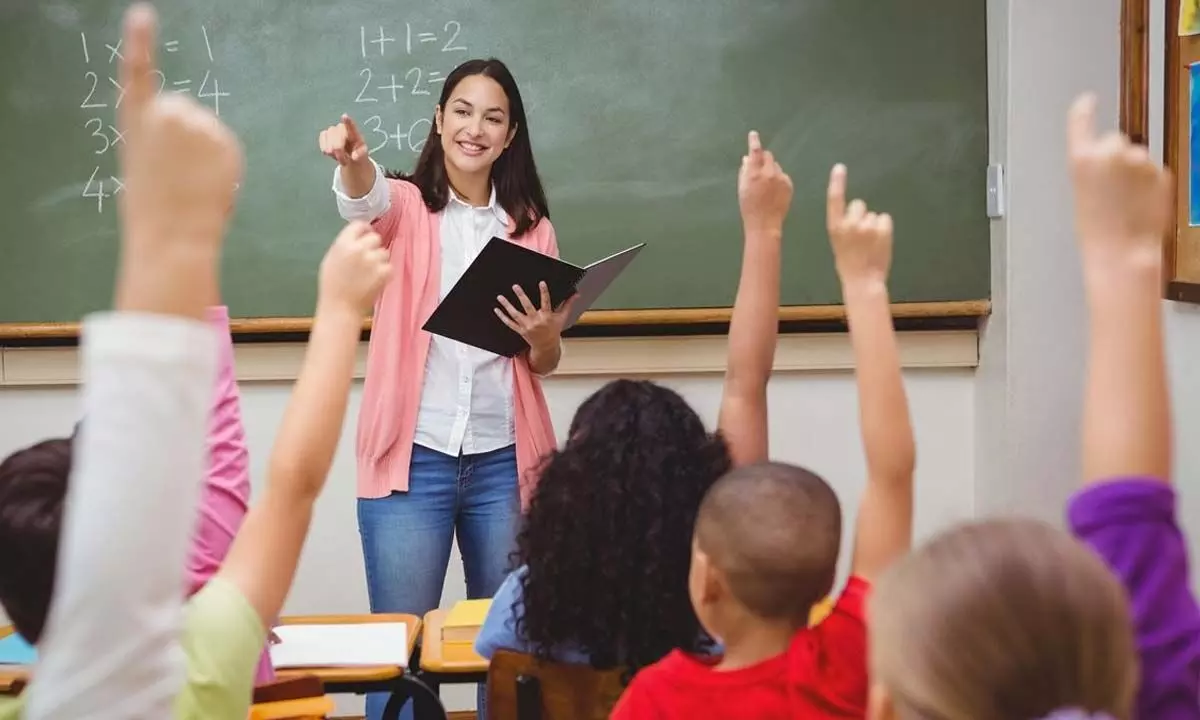
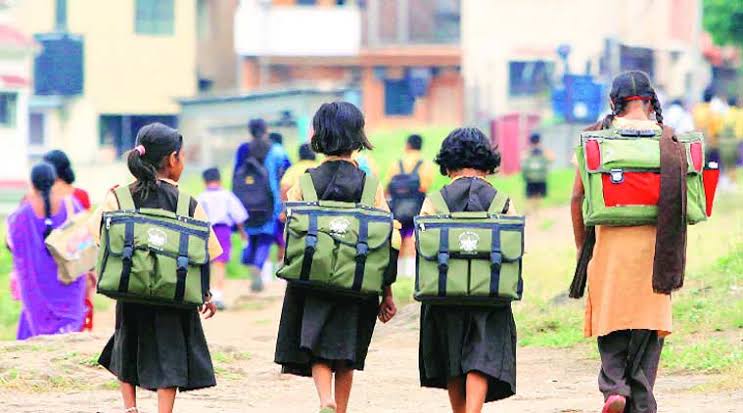
Offline education refers to the traditional classroom-based system where students attend schools, colleges, or coaching institutes physically.
In India, offline education remains the backbone of formal learning. Schools and colleges provide structured schedules, face-to-face teacher guidance, classroom discussions, and peer interaction. Practical learning, laboratory work, sports, and extracurricular activities are easier to manage in offline settings.
Offline education builds discipline, communication skills, and social confidence. However, it can be time-consuming due to travel, fixed schedules, and location dependency. For students in remote areas, access to quality offline education may still be limited.
Learning Experience and Student Engagement
The learning experience differs significantly between online and offline education.
Online education allows students to revisit lessons multiple times, pause videos, and learn according to personal comfort. This is especially helpful for exam preparation and concept clarity. However, students may feel isolated and less motivated without classroom interaction.
Offline education encourages real-time discussions, instant doubt-solving, and group learning. Teachers can observe student behavior, engagement, and progress more effectively. Peer competition and classroom environment often boost motivation and consistency.
In India, students who need constant guidance and interaction usually perform better in offline education, while self-motivated learners benefit more from online learning.
Cost and Accessibility Factors
Cost plays a major role in deciding between online and offline education.
Online education is generally more affordable. Many platforms offer free or low-cost courses, saving expenses related to travel, accommodation, uniforms, and infrastructure. This makes online learning accessible to students from smaller towns and villages.
Offline education often involves higher costs such as tuition fees, transportation, hostel charges, and study materials. However, government schools and colleges provide affordable offline education, making it accessible to a large population.
In India, online education improves access, while offline education ensures inclusivity through public institutions.
Skill Development and Practical Exposure
Practical learning is an important part of education.
Online education is excellent for theoretical knowledge, digital skills, coding, design, content creation, and professional certifications. It supports skill-based learning aligned with modern job requirements.
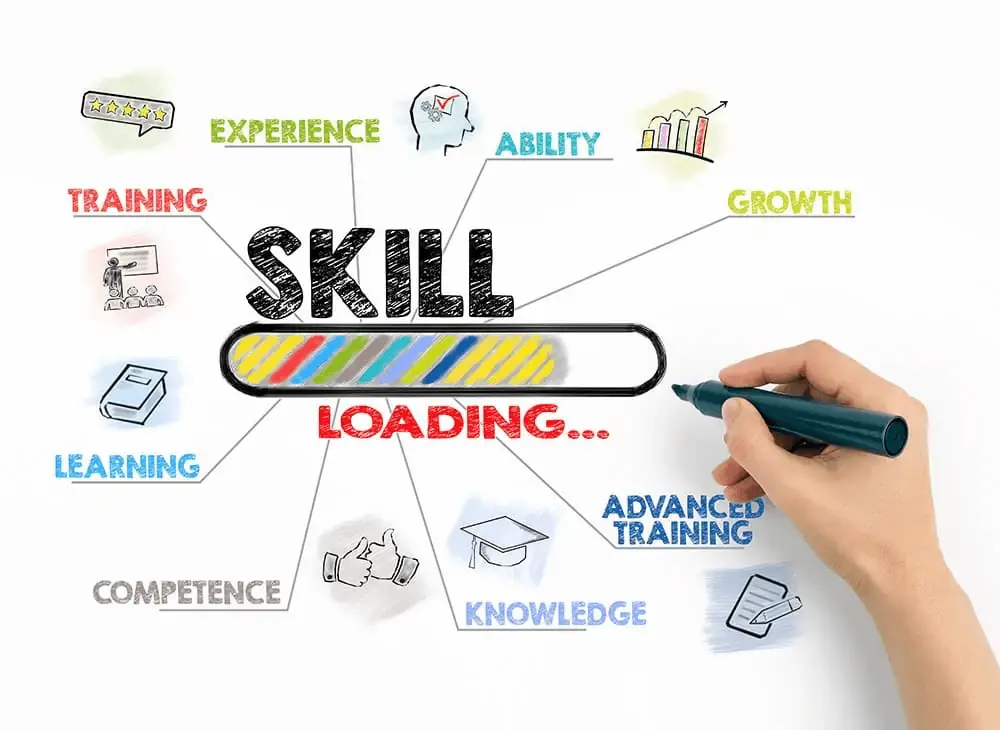
Offline education offers better hands-on experience in laboratories, workshops, sports, arts, and group projects. Courses like medicine, engineering, teaching, and nursing require offline training for practical exposure.
For Indian students, a mix of both modes often provides the best skill development.
Impact on Exams and Academic Performance
Exam preparation and performance vary between online and offline learning.
Online platforms provide extensive test series, mock exams, recorded explanations, and flexible revision schedules. Competitive exam aspirants often prefer online resources for practice and time management.
Offline education offers supervised exams, disciplined routines, and teacher-monitored progress. Students receive immediate feedback and structured guidance.
In India, students preparing for board exams often prefer offline schooling, while competitive exam aspirants benefit greatly from online support.
Which Mode Is Better for Indian Students?
There is no single correct answer.
Online education works best for students who are self-disciplined, tech-savvy, and comfortable learning independently. It suits skill development, competitive exams, and higher education certifications.
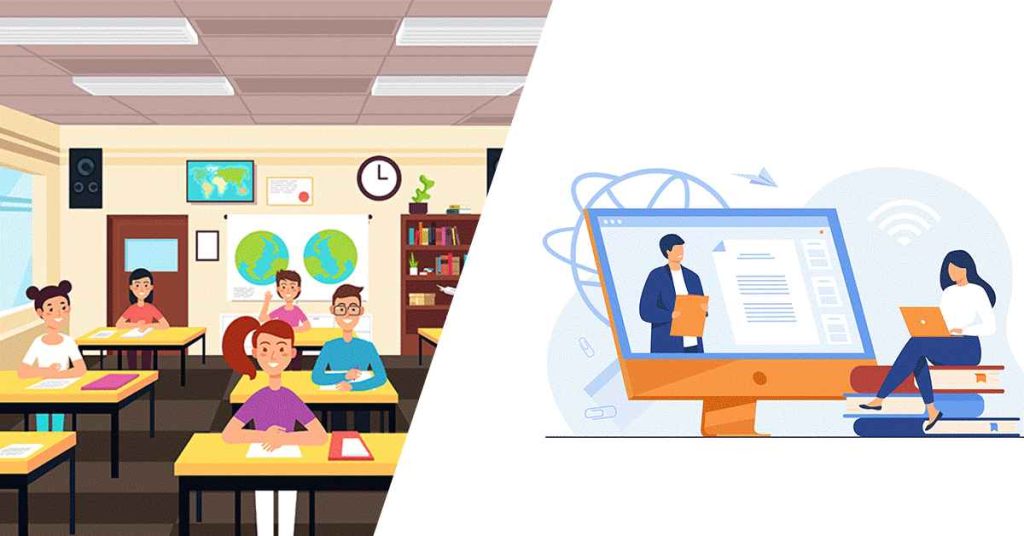
Offline education is better for younger students, those needing guidance, and courses requiring physical practice. It builds strong foundational learning and social development.
In India, blended learning combining online and offline education is emerging as the most effective approach.
Conclusion: Choosing What Works Best for You
The debate between online vs offline education is not about which one is superior, but which one is more suitable for the learner. Indian students come from diverse backgrounds, learning styles, and resource availability. Both online and offline education have an important role to play in shaping the future of learning.
Students should consider their goals, discipline level, subject requirements, and learning comfort before choosing a mode. When used wisely, online and offline education together can create a powerful, flexible, and inclusive learning experience.