



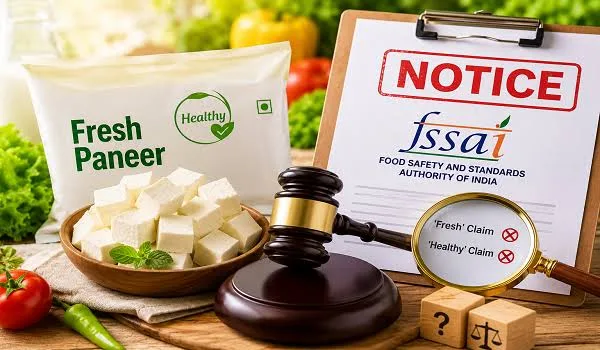
FSSAI Paneer Claims Action on Misleading Labels

FSSAI Paneer Claims have come into focus after India’s food regulator took action against several companies for using misleading labels and promotional statements. On 6 July 2026, notices were issued to multiple food businesses over claims that did not match official guidelines, raising concerns about transparency and consumer trust in packaged food products.
Thank you for reading this post, don't forget to subscribe!The move reflects a growing effort to ensure that food items sold in the market carry accurate information. With more people becoming health-conscious and relying on packaged food, correct labelling has become more important than ever.
Food Safety Rules and Why They Matter
Food products in India are regulated under a structured system that checks quality, safety, and marketing claims. Authorities set clear rules for how companies can describe their products, including words like “fresh,” “healthy,” “organic,” and “vegan.”
These terms are not just marketing tools. They have specific meanings and conditions attached to them. Companies must follow these rules before using such words on packaging or in advertisements.

This system helps protect consumers from false or exaggerated claims. It also ensures fair competition among brands by maintaining a level playing field.
Action Against Paneer Label Claims FSSAI Paneer Claims
One of the key cases involved a dairy product labelled as “Fresh Paneer.” The regulator found that the use of the word “fresh” did not meet the required standards under existing guidelines.
The term “fresh” is allowed only when certain conditions related to production, storage, and shelf life are met. If these conditions are not fulfilled, using the term can mislead consumers into believing the product is of higher quality or recently made.
In addition, concerns were raised about the use of the word “healthy” in branding. Such claims must be supported by proper nutritional evidence and must not give a false impression about the product’s benefits.
Claims Around Organic and Vegan Products
Another case involved a chocolate spread marketed with labels like “all natural,” “100% organic,” and “vegan.” These claims are popular among consumers who prefer clean and plant-based food options.
However, these labels come with strict requirements. For example, “organic” products must be certified under approved systems, while “vegan” claims must ensure that no animal-derived ingredients are used at any stage.
If companies use these terms without proper approval or certification, it can confuse buyers and reduce trust in genuine organic and vegan products.
Health and Immunity Claims Under Scrutiny
A separate notice focused on products that claimed to boost immunity, remove toxins, or provide health benefits without clear scientific backing. These types of claims have become more common, especially after the global pandemic increased awareness around health and wellness.
While people are more interested in improving their health, regulators stress that such claims must be supported by proper research. Without evidence, these statements can mislead consumers into expecting benefits that may not exist.
There were also issues with phrases like “approved by authorities,” which can create a false sense of endorsement. In reality, food regulators issue licences but do not approve individual products in the way such claims suggest.
Growing Demand for Honest Food Labelling
Today’s consumers are more aware and careful about what they eat. Many people read labels before buying products, checking for ingredients, nutritional values, and certifications.
This shift has pushed companies to highlight their products as healthy, natural, or organic. While this trend reflects changing lifestyles, it also increases the risk of misleading information if not properly regulated.
Clear and honest labelling helps consumers make informed choices. It also builds long-term trust between brands and customers.
Digital Influence and Marketing Trends
Social media and online marketing have made it easier for brands to promote their products using attractive claims. Influencers, advertisements, and packaging design all play a role in shaping consumer perception.
However, this also means that misleading claims can spread quickly. A product described as “super healthy” or “chemical-free” can gain popularity even if the claims are not fully accurate.
This is why stricter monitoring and quick action by authorities are becoming more important in the digital age.
Compliance and Response from Companies
The companies that received notices have been asked to respond within a short time frame. They must explain their claims and provide supporting documents if available.
If they fail to respond or correct the issues, further action may be taken under existing food safety laws. This could include penalties, product recalls, or changes in packaging and advertising.
Such steps are meant to ensure that companies follow the rules and maintain transparency in their operations.
Focus on Consumer Awareness
Along with regulatory action, there is also a need to increase awareness among consumers. People should understand what different labels mean and not rely only on marketing words.
For example, terms like “natural” or “healthy” may sound appealing but do not always guarantee better quality. Checking ingredient lists and certifications can provide a clearer picture.
Educational campaigns and better access to information can help consumers make smarter choices in a growing and complex food market.

Changing Landscape of Food Industry
The food industry in India is evolving rapidly, with new products and categories entering the market. Plant-based foods, organic items, and health supplements are becoming more popular.
This growth brings opportunities but also challenges. Maintaining quality, ensuring compliance, and building trust are key factors for long-term success.
Regulators are working to keep up with these changes by updating rules and monitoring practices more closely. Businesses are also expected to adapt and follow guidelines responsibly.