


India Seafarers Ranking Reaches Second in the World

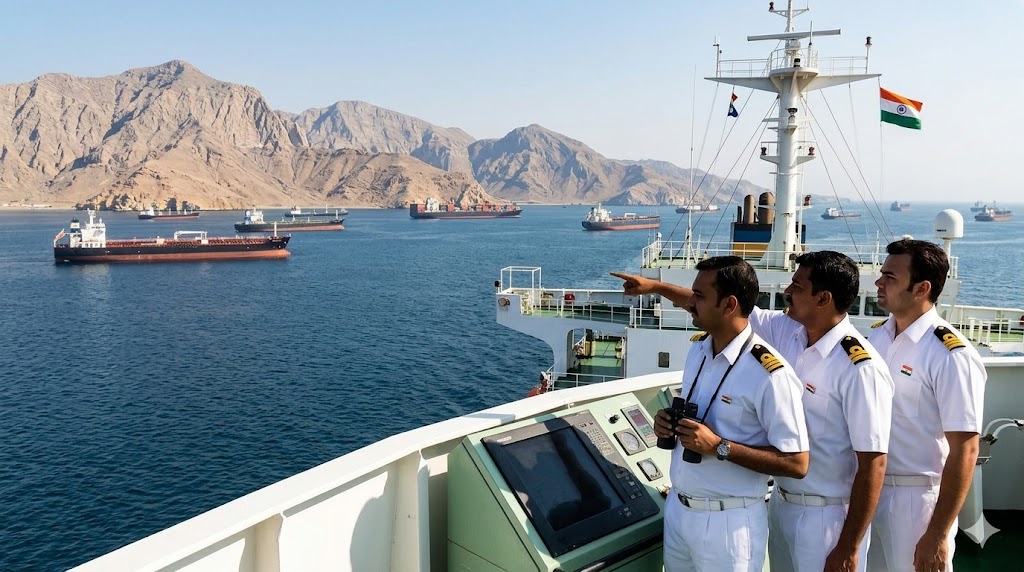
India Seafarers Ranking has reached a new milestone as India became the world’s second-largest supplier of seafarers on 28 July 2026. According to the BIMCO-ICS Seafarer Workforce Report 2026, India now has 311,936 maritime professionals working across the global shipping industry. This represents 12.16% of the world’s seafaring workforce, placing India behind only the Philippines. The achievement reflects the country’s rapid growth in maritime training, skilled workforce development, and international employment opportunities in the shipping sector.
Thank you for reading this post, don't forget to subscribe!India’s rise in the global maritime industry highlights the increasing demand for skilled Indian professionals on commercial ships operating across international waters.
What Are Seafarers?
Seafarers are trained professionals who work on different types of commercial ships around the world.
They are employed on:
- Cargo ships
- Oil and gas tankers
- Container vessels
- Passenger ships
- Bulk carriers
- Other merchant vessels
Their work helps support global trade by transporting goods, fuel, food products, and essential supplies between countries.
Without seafarers, international shipping and global supply chains would not function efficiently.
India’s Remarkable Growth
India has made significant progress in the maritime sector over the last decade.
According to the workforce report:
- In 2015, India ranked fifth globally with 5.2% of the world’s seafarers.
- In 2021, its share increased to 6%.
- By 2026, India’s contribution had doubled to 12.16%, making it the second-largest supplier worldwide.
This rapid growth reflects increasing investments in maritime education, training institutes, and international employment opportunities.
The Philippines continues to remain the world’s largest supplier of seafarers.
Officers and Ratings in the Workforce
India’s maritime workforce consists mainly of two categories:
Ship Officers
Ship officers are responsible for navigation, engineering, management, and overall operations of a vessel.
India currently supplies:
- 140,718 ship officers
- 13.41% of the global officer workforce
These professionals play leadership roles on ships and ensure safe and efficient operations.
Ratings
Ratings are crew members responsible for operational, technical, and maintenance duties.
India currently supplies:
- 171,218 ratings
- 11.29% of the global ratings workforce
Ratings support the day-to-day functioning of ships and work closely with officers during voyages.
Changing Workforce Pattern
The composition of India’s maritime workforce has changed over time.
Between 2010 and 2024, the ratio of officers and ratings shifted significantly.
Earlier, the workforce consisted of:
- 60% officers
- 40% ratings
Today, the ratio has changed to:
- 35% officers
- 65% ratings
Globally, the average ratio stands at 45% officers and 55% ratings.
The growing number of ratings reflects the expanding demand for skilled technical and operational crew members in international shipping.
Mission 20% Targets Global Leadership
The Government of India has launched Mission 20%, an initiative aimed at increasing India’s share of the global seafaring workforce to 20%.
The mission focuses on several key areas, including:
- Expanding maritime training capacity.
- Increasing shipboard training opportunities.
- Improving digital services for seafarers.
- Strengthening international employment partnerships.
- Enhancing skill development programmes.
The initiative is expected to create more employment opportunities while strengthening India’s position in the global shipping industry.
More Indians Joining the Maritime Sector
The number of Indian seafarers has increased dramatically over the years.
Official data shows:
- 62,267 distinct Indian seafarers in 2010.
- 323,429 distinct Indian seafarers in 2025.
This steady rise reflects growing interest in maritime careers and increasing global demand for qualified Indian professionals.
Maritime education institutes across the country continue to produce skilled officers and crew members for international shipping companies.
Growing Participation of Women
Another encouraging development is the increasing participation of women in the maritime industry.
The number of female Indian seafarers has grown from around 1,600 in 2021 to more than 7,000 by 2025.
This growth reflects greater opportunities for women in navigation, marine engineering, technical operations, and ship management.
Many training institutes and shipping companies are also encouraging greater diversity within the maritime workforce.
Challenges Facing Seafarers
Despite this achievement, several challenges remain for seafarers worldwide.
One of the most serious concerns is crew abandonment, where shipowners fail to provide wages, food, medical care, or transportation back home.
According to global maritime data, 1,125 Indian seafarers were among the 6,223 abandoned crew members worldwide in 2025.
International organizations continue to work with governments and shipping companies to improve labour rights, working conditions, and legal protection for seafarers.
As global trade continues to expand and demand for skilled maritime professionals grows, India’s rising position in the India Seafarers Ranking reflects the country’s strengthening role in international shipping. Continued investment in training, digital services, workforce development, and seafarer welfare is expected to further enhance India’s contribution to the global maritime industry in the years ahead.