

One Nation One Election: Parliamentary Panel Gets Extension

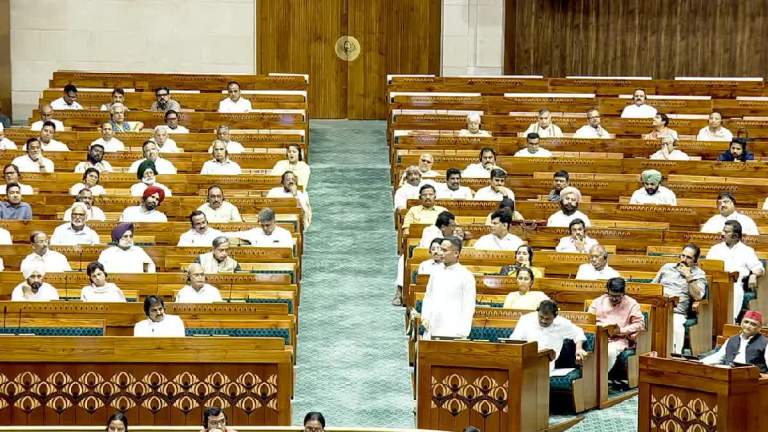
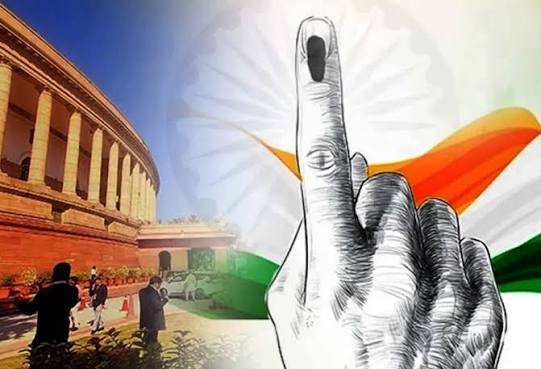
One Nation One Election remained in focus after the Lok Sabha approved an extension for the 41-member Joint Parliamentary Committee (JPC) on 29 July 2026. The committee is examining the Constitution (One Hundred and Twenty-Ninth Amendment) Bill, 2024, which proposes holding elections for the Lok Sabha, State Legislative Assemblies, and later local bodies on a common schedule. The extension gives the committee additional time to continue consultations with stakeholders across the country before submitting its final report during the upcoming Winter Session of Parliament.
Thank you for reading this post, don't forget to subscribe!Lok Sabha Approves Extension
The extension was approved after P.P. Chaudhary, the chairman of the Joint Parliamentary Committee, moved a resolution in the Lok Sabha.
The House passed the proposal through a voice vote, allowing the committee to continue its work beyond its earlier deadline.
The additional time will help committee members complete discussions, review suggestions received from different groups, and prepare a detailed report on the proposed election reforms.
The report is now expected to be presented on the first day of the last week of the upcoming Winter Session of Parliament.
What Is the One Nation One Election Proposal?
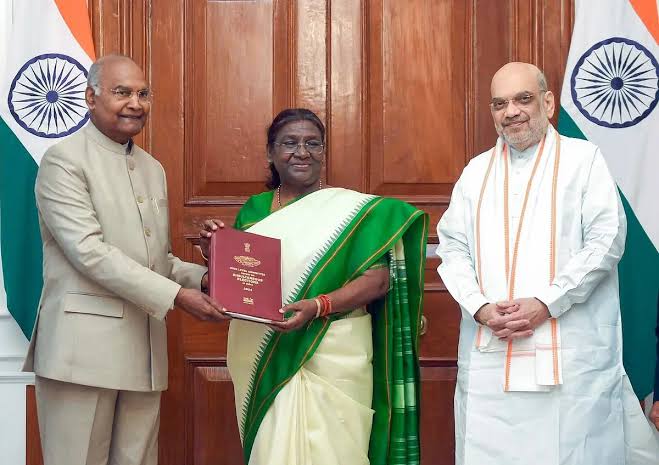
The One Nation One Election proposal aims to conduct elections for the Lok Sabha and State Legislative Assemblies at the same time instead of holding them separately over different years.
The broader long-term plan also includes synchronising elections for urban local bodies and Panchayati Raj institutions.
At present, elections are held whenever the term of a particular Assembly or local body ends or when fresh elections become necessary. This means that different parts of the country frequently go to the polls throughout the year.
The proposal seeks to create a common election cycle so that multiple elections can be conducted together.
Bill Under Examination
The committee is studying the Constitution (One Hundred and Twenty-Ninth Amendment) Bill, 2024.
Since the proposal involves changes to India’s election system and constitutional provisions, Parliament has referred the Bill to the Joint Parliamentary Committee for detailed examination.
The committee is reviewing legal, constitutional, administrative, financial, and practical aspects before making recommendations.
Its findings may help Parliament decide the future course of the proposed reforms.
What Is a Joint Parliamentary Committee?
A Joint Parliamentary Committee (JPC) is a special committee made up of members from both Houses of Parliament—the Lok Sabha and the Rajya Sabha.
Such committees are created to examine important Bills, policies, or public issues in greater detail.
A JPC generally performs tasks such as:
- Studying proposed legislation
- Seeking expert opinions
- Holding discussions with stakeholders
- Reviewing legal and constitutional matters
- Submitting recommendations to Parliament
In this case, the committee consists of 41 members representing different political parties and regions.
Nationwide Consultations Continue
One of the major responsibilities of the committee has been to hold consultations across the country.
These discussions involve gathering views from:
- Constitutional experts
- Election specialists
- Legal professionals
- Government representatives
- Political parties
- Academic institutions
- Other stakeholders
Such consultations help the committee understand different perspectives before preparing its final recommendations.
The extension provides additional time for these discussions to continue.
Target for Future Implementation
According to the current roadmap being discussed, the proposed One Nation One Election framework has a target implementation year of 2029.
Before any nationwide rollout can take place, several constitutional, legal, administrative, and logistical steps would need to be completed.
The committee’s recommendations are expected to play an important role in shaping any future decisions related to the proposal.
Any further action would depend on Parliament’s consideration of the committee’s report and the legislative process.
Understanding a Voice Vote
The extension was approved through a voice vote, one of the methods used in Parliament to decide certain matters.
In a voice vote:
- The Speaker places the proposal before the House.
- Members supporting the proposal respond verbally.
- Members opposing it also respond verbally.
- The Speaker determines the outcome based on the louder response.
Voice votes are commonly used when there is broad agreement or when a formal recorded division is not considered necessary.
Why Election Reforms Are Being Discussed
The discussion around simultaneous elections has gained attention because elections are currently held at different times across India.
Supporters of the proposal have argued that a common election schedule could help reduce the frequency of election-related administrative work and repeated deployment of resources.
Others have raised questions about constitutional arrangements, federal principles, governance, and the practical challenges of implementing a common election cycle across all states.
These differing viewpoints are among the issues being examined by the Joint Parliamentary Committee during its consultations.
Role of the Ministry and Election Authorities
If any major electoral reform is introduced in the future, it would require coordination among several institutions.
These include:
- Parliament
- The Election Commission of India
- State governments
- Local government bodies
- Administrative authorities
Because elections involve constitutional processes across different levels of government, any changes require careful planning and broad institutional cooperation.
What Happens Next?
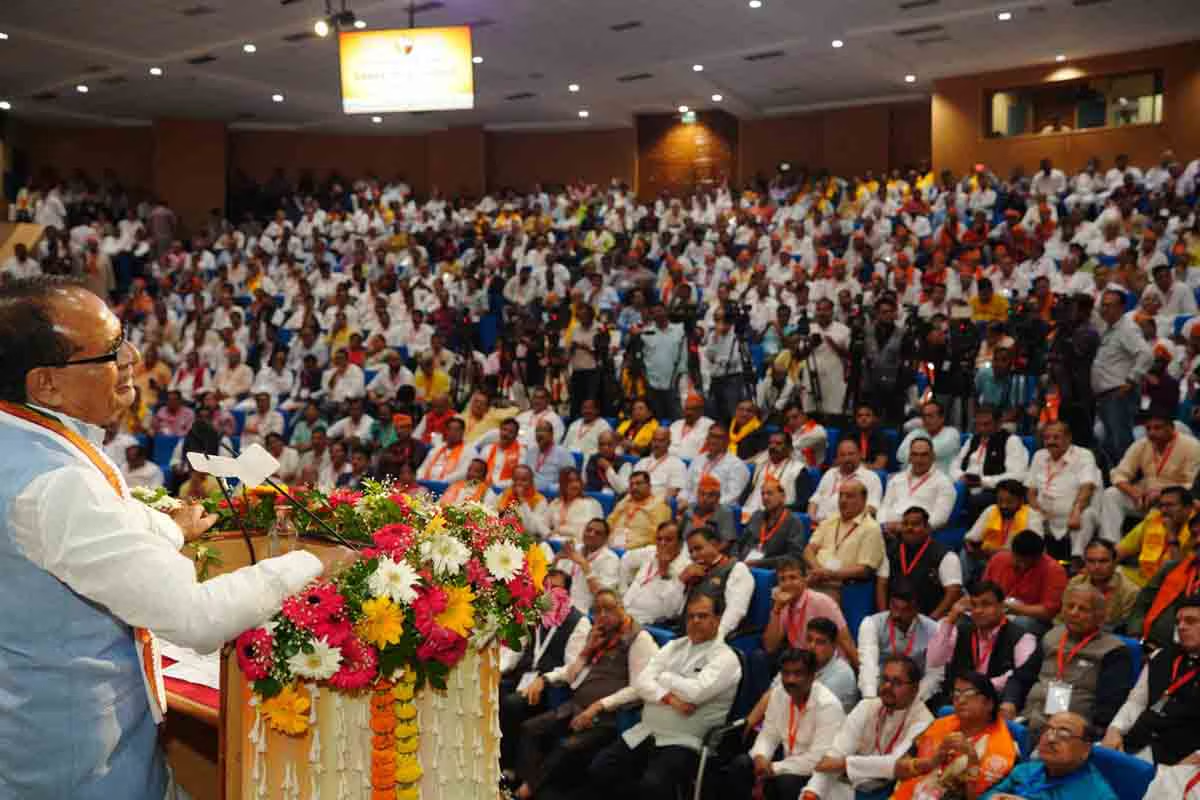
With the approved extension, the Joint Parliamentary Committee will continue reviewing the proposed constitutional amendment and collecting feedback from experts and stakeholders. The committee will now prepare its report for submission during the upcoming Winter Session of Parliament.
The progress of the One Nation One Election proposal remains an important development in India’s electoral reform discussions. The extended review period allows Parliament to receive a more detailed assessment of the proposed changes before considering the next legislative steps. As consultations continue across the country, the proposal will remain a key topic in discussions on the future of India’s election system.