



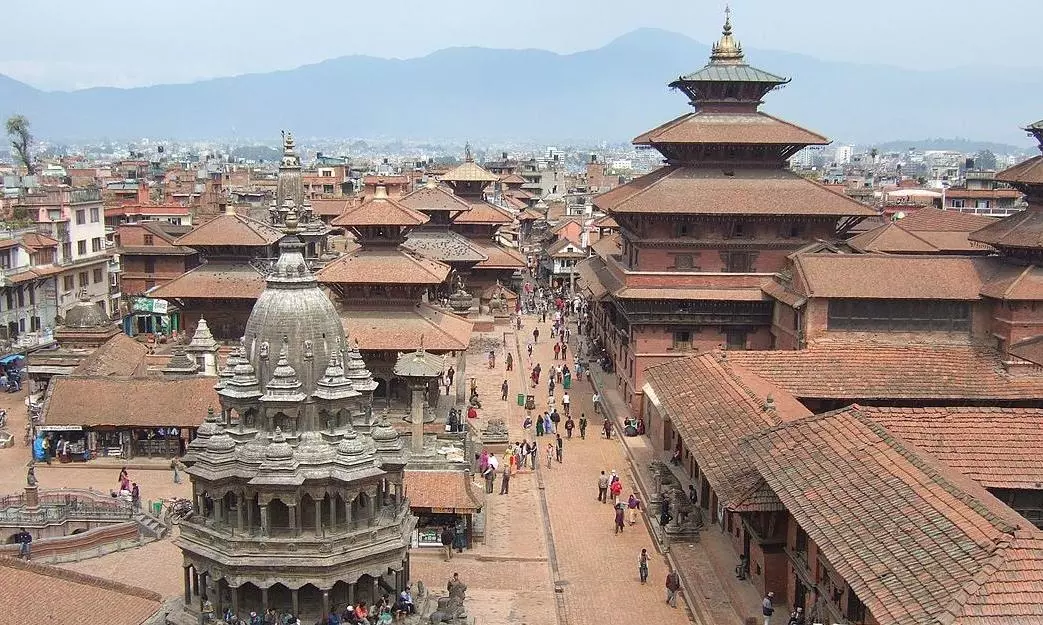
Lalitpur Heritage Restoration: India and Nepal Restore Historic Sites

Lalitpur Heritage Restoration marked another important milestone in India-Nepal cooperation as both countries jointly inaugurated the restored Shree Gusthal Mahavihar and Agam of Prathamshree Mahavihar in Guita Tole, Patan, Lalitpur, on 28 July 2026. The restoration project was completed with financial support from the Government of India, which provided a grant of around NPR 12 crores. The work was carried out by Nepal’s Central Level Project Implementation Unit under the Department of Urban Development and Building Construction. The successful restoration reflects the long-standing partnership between India and Nepal in preserving cultural and religious heritage.
Thank you for reading this post, don't forget to subscribe!India and Nepal Complete Heritage Restoration Lalitpur Heritage Restoration
The restoration of the two historic Buddhist sites is part of a broader effort to protect Nepal’s rich cultural heritage.
The restored structures are located in Lalitpur Metropolitan City, one of the oldest urban centres in the Kathmandu Valley. These heritage sites hold great historical, religious, and architectural value and are closely connected with Nepal’s Buddhist traditions.
The project also highlights the strong cultural relationship between India and Nepal, which have worked together on several heritage conservation projects over the years.
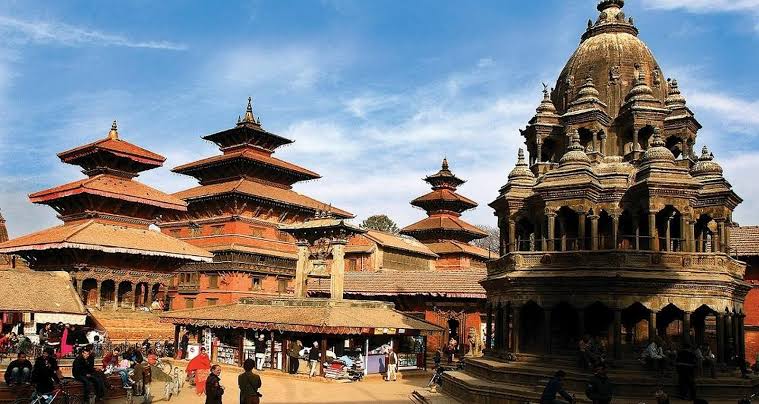
Heritage Sites Damaged in the 2015 Earthquake
Both Shree Gusthal Mahavihar and Agam of Prathamshree Mahavihar suffered serious damage during the 2015 Nepal earthquake.
The devastating earthquake affected thousands of buildings across central Nepal, including many ancient temples, monasteries, heritage monuments, and traditional settlements.
Several internationally recognised heritage sites in the Kathmandu Valley required extensive restoration after the disaster.
The reconstruction of these Buddhist monuments represents an important step in preserving Nepal’s cultural identity while restoring structures that hold deep historical significance.
Government of India Provides Financial Support
The restoration project was funded through a Government of India grant of approximately NPR 12 crores.
India has been actively supporting Nepal’s reconstruction efforts since the 2015 earthquake through financial assistance, technical cooperation, and heritage conservation programmes.
The funding reflects India’s continued commitment to helping Nepal rebuild important cultural landmarks while strengthening bilateral friendship.
The project was executed by Nepal’s government agencies, demonstrating close cooperation between the two countries throughout the restoration process.
Technical Expertise from INTACH
An important contribution to the project came from the Indian National Trust for Art and Cultural Heritage (INTACH).
INTACH provided:
- Design support
- Conservation expertise
- Project management consultancy
The organisation has extensive experience in restoring historical monuments and preserving architectural heritage across South Asia.
Its involvement helped ensure that the restoration work respected the original design, historical features, and traditional construction techniques of the heritage structures.
Inauguration Ceremony
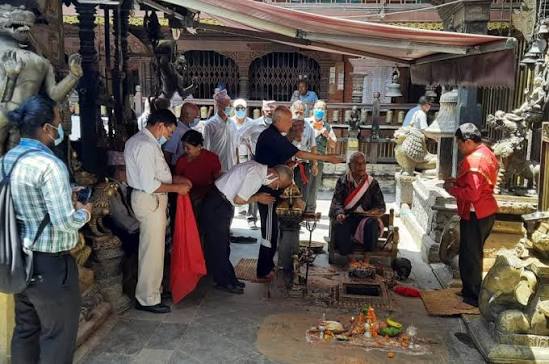
The restored sites were officially inaugurated on 28 July 2026 in the presence of senior representatives from both India and Nepal.
Among those attending the ceremony were:
- Indian Ambassador to Nepal Naveen Srivastava
- Lalitpur Metropolitan City Mayor Chiribabu Maharjan
- Member of Parliament Jagdish Kharel
The event highlighted the importance of international cooperation in protecting shared cultural heritage and strengthening people-to-people connections.
India’s Wider Reconstruction Support
The Lalitpur project is part of India’s larger reconstruction assistance programme for Nepal following the 2015 earthquake.
India’s support includes the conservation of 30 cultural heritage sites located across eight districts of Nepal.
In addition to heritage restoration, the assistance programme also covers:
- Reconstruction of 50,000 private houses in Gorkha and Nuwakot districts
- Rebuilding of 85 educational institutions
- Construction and restoration of 133 health facilities
These projects aim to support Nepal’s long-term recovery while improving infrastructure and public services.
Importance of Lalitpur
Lalitpur, also known as Patan, is one of the three historic cities of the Kathmandu Valley, alongside Kathmandu and Bhaktapur.
The city is famous for its:
- Ancient temples
- Buddhist monasteries
- Traditional courtyards
- Fine wood and metal craftsmanship
- Historic architecture
Lalitpur has long been recognised as one of Nepal’s most important cultural centres and continues to attract visitors interested in history, religion, and art.
Many of its monuments reflect centuries of Newar culture and Buddhist traditions.
Shared Cultural Heritage Between India and Nepal
India and Nepal share centuries of historical, religious, and cultural connections.
Both countries are home to many important Buddhist and Hindu pilgrimage sites, and people from both sides of the border regularly visit these places for religious and cultural purposes.
The restoration of heritage monuments not only preserves historic buildings but also strengthens cultural exchanges between the two neighbouring countries.
Such projects also encourage tourism, promote traditional craftsmanship, and help protect architectural heritage for future generations.
Growing Focus on Heritage Conservation
In recent years, heritage conservation has received greater attention across South Asia.
Governments and conservation organisations have increasingly worked together to restore monuments affected by natural disasters, ageing, and environmental changes.
Modern restoration projects combine traditional construction methods with scientific conservation techniques to ensure that historical structures remain protected while preserving their original appearance.
The successful restoration of the Lalitpur sites demonstrates how international cooperation can support both cultural preservation and sustainable development.
A Strong Example of India-Nepal Cooperation
The Lalitpur Heritage Restoration project reflects the close partnership between India and Nepal in preserving shared cultural and historical treasures. Through financial assistance from the Government of India, technical guidance from INTACH, and implementation by Nepalese authorities, two important Buddhist heritage structures have been restored after the damage caused by the 2015 earthquake. As both countries continue working together on heritage conservation, infrastructure development, and cultural cooperation, projects like this strengthen long-standing ties while helping preserve the rich history of the Kathmandu Valley for future generations.