

Rare Earth Licence Issued in Rajasthan

Rare Earth Licence has marked a major milestone in India’s mining and mineral sector as Rajasthan became the first state to issue an exploration licence for rare earth elements (REEs). The licence was officially executed on 29 July 2026 and covers an area of 207.63 square kilometres in the Navatala-Devigarh (Pachpadra) region of Balotra district and Shergarh tehsil in Jodhpur district.
Thank you for reading this post, don't forget to subscribe!The development is significant because it is the first exploration licence issued under India’s updated critical minerals policy. As global demand for rare earth elements continues to grow due to clean energy, electric vehicles, electronics, and advanced technology, the project highlights India’s efforts to strengthen its domestic mineral resources.
What Are Rare Earth Elements?
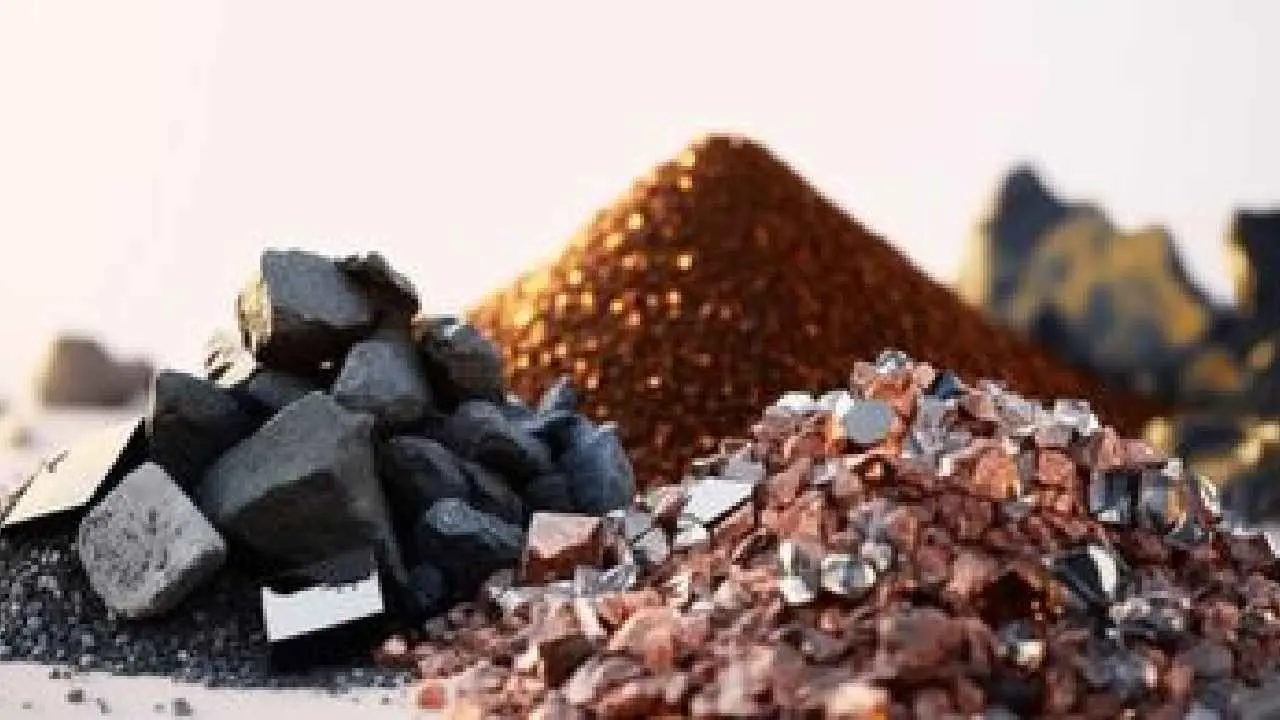
Rare earth elements, commonly called REEs, are a group of 17 metallic elements with unique chemical properties.
These include:
- The 15 lanthanide elements
- Scandium
- Yttrium
Although they are called “rare,” many of these elements are found in the Earth’s crust. However, they are rarely found in concentrations that make mining economically practical.
The Rajasthan exploration block contains minerals such as:
- Lanthanum
- Cerium
- Praseodymium
- Neodymium
These elements are widely used in modern industries because of their special magnetic, electrical, and optical properties.
Why Rare Earth Elements Are Important
Rare earth elements are essential for manufacturing many products used in everyday life as well as advanced industries.
They are commonly used in:
- Electric vehicles
- Wind turbines
- Mobile phones
- Computers
- Medical equipment
- LED lighting
- Rechargeable batteries
- High-performance magnets
- Defence technologies
- Aerospace equipment
As countries expand renewable energy and digital technologies, the demand for rare earth minerals has increased rapidly around the world.
Where the Exploration Will Take Place
The exploration licence covers 207.63 square kilometres across parts of western Rajasthan.
The identified area includes:
- Navatala-Devigarh (Pachpadra)
- Balotra district
- Shergarh tehsil
- Jodhpur district
Geological studies in the region have identified the presence of several rare earth minerals that may have economic potential.
The exploration process will involve detailed scientific surveys before any decision regarding commercial mining is taken.
What Is an Exploration Licence?
An exploration licence is an official permission granted by the government to study mineral resources in a particular area.
It allows organisations to:
- Conduct geological surveys
- Collect rock and soil samples
- Assess mineral deposits
- Estimate commercial potential
- Carry out scientific investigations
The licence does not allow immediate mining or mineral extraction.
If commercially viable deposits are confirmed, separate approvals and environmental clearances are required before mining activities can begin.
Who Will Conduct the Exploration?
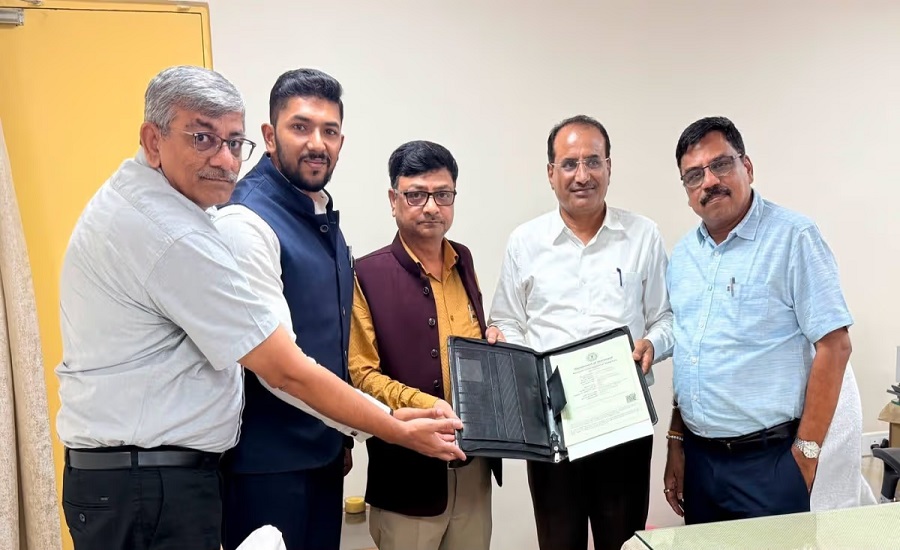
The exploration licence has been granted to the Central Mine Planning and Design Institute Limited (CMPDI).
CMPDI is a public sector organisation that provides technical and geological services for India’s mining industry.
The agreement was executed by the Department of Mines and Geology, Rajasthan, which is responsible for regulating mineral exploration and mining activities in the state.
The project will involve geological mapping, drilling, laboratory testing, and resource evaluation over the coming years.
Part of India’s Critical Minerals Strategy
The Rajasthan licence is the first exploration licence agreement signed under India’s updated critical minerals regulatory framework.
The Government of India has identified several minerals as critical and strategic because they are essential for:
- Clean energy technologies
- Semiconductor manufacturing
- Electric mobility
- Defence production
- Advanced electronics
- Industrial development
To improve domestic availability, the central government began auctioning critical mineral blocks in 2024, followed by the first exploration licence auctions in 2025.
The Rajasthan project represents the next step in implementing this policy.
Growing Focus on Domestic Mineral Resources
Many countries are working to strengthen their supply of critical minerals due to increasing global demand and changing supply chains.
India has also increased efforts to identify domestic sources of important minerals required for future industries.
Expanding exploration activities can help reduce import dependence while supporting manufacturing, renewable energy, and technology sectors.
The state government, under the Department of Mines and Geology, executed the licence as part of this broader national initiative.
The Rare Earth Licence issued in Rajasthan marks an important development in India’s mineral exploration sector. By beginning scientific exploration of rare earth resources under the country’s new critical minerals framework, the project supports future industrial growth, advanced technology development, and stronger domestic resource security as demand for these valuable minerals continues to increase worldwide.