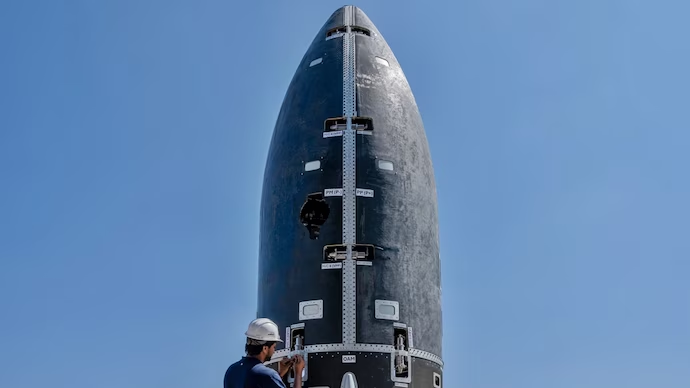
Vikram-1 Mission Skyroot Signals New Space Era

Vikram-1 Mission Skyroot is a major step forward for India’s private space sector. Developed by Skyroot Aerospace, this mission shows how startups are entering the space industry with advanced technology and ambitious goals.
Thank you for reading this post, don't forget to subscribe!The mission, named Mission Aagaman, is planned to launch between 12 July and 4 August 2026.
Launch Site and Timeline
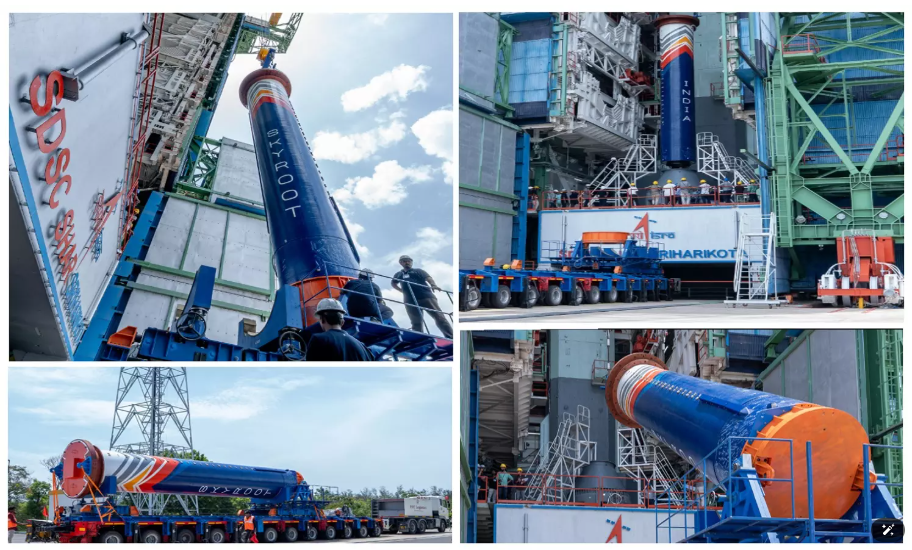
The rocket will be launched from Satish Dhawan Space Centre located in Sriharikota.
This is the same launch centre used for many missions by ISRO.
The selected launch window allows flexibility depending on weather and technical conditions.
What is Vikram-1 Rocket
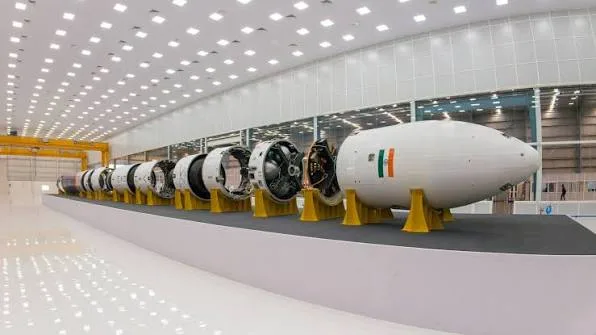
Vikram-1 is a multi-stage orbital launch vehicle designed to carry small satellites into space.
It is built using advanced carbon composite materials, which make the rocket lighter and stronger.
The rocket can carry payloads of up to 350 kilograms to low Earth orbit.
Focus on Small Satellites
The Vikram-1 Mission Skyroot is designed mainly for small satellite launches.
These satellites are widely used for communication, weather tracking, Earth observation, and internet services.
With the growing demand for satellite-based services, small launch vehicles like Vikram-1 are becoming increasingly important.
Mission Aagaman Objectives
The main goal of Mission Aagaman is to test and validate the rocket’s performance.
The mission will collect real-time data on different systems during the flight.
This information will help improve future rocket designs and make launches more reliable.
Development Progress
By July 2026, all stages of the Vikram-1 rocket had been assembled and placed at the launch pad.
The completed rocket was earlier unveiled by Narendra Modi in November 2025.
This marked an important moment for India’s private space industry.
Earlier Success with Vikram-S
Before Vikram-1, Skyroot Aerospace successfully launched Vikram-S in November 2022.
That mission made history as India’s first privately built rocket to reach space.
While Vikram-S was a suborbital mission, Vikram-1 is designed for full orbital capability.
Commercial and Global Interest
The Vikram-1 Mission Skyroot will carry payloads from both Indian and international customers.
This shows growing global interest in India’s private space sector.
The mission is expected to open new opportunities for commercial satellite launches.
Role in India’s Space Growth
India’s space industry is expanding rapidly with the involvement of private companies.
Startups like Skyroot Aerospace are helping increase innovation and competition.
This also supports government efforts to make India a global hub for space technology.
Technology and Future Potential
The use of lightweight materials and advanced engineering makes Vikram-1 a modern launch vehicle.
It is designed to be cost-effective and efficient, which is important in today’s competitive space market.
Such developments are shaping the future of space exploration and satellite deployment.
A Step Toward Private Space Leadership
Vikram-1 Mission Skyroot highlights how private companies are playing a bigger role in space missions.
It represents a shift towards faster innovation and new possibilities in the space sector.
With missions like this, India is moving towards becoming a strong player in the global space economy.