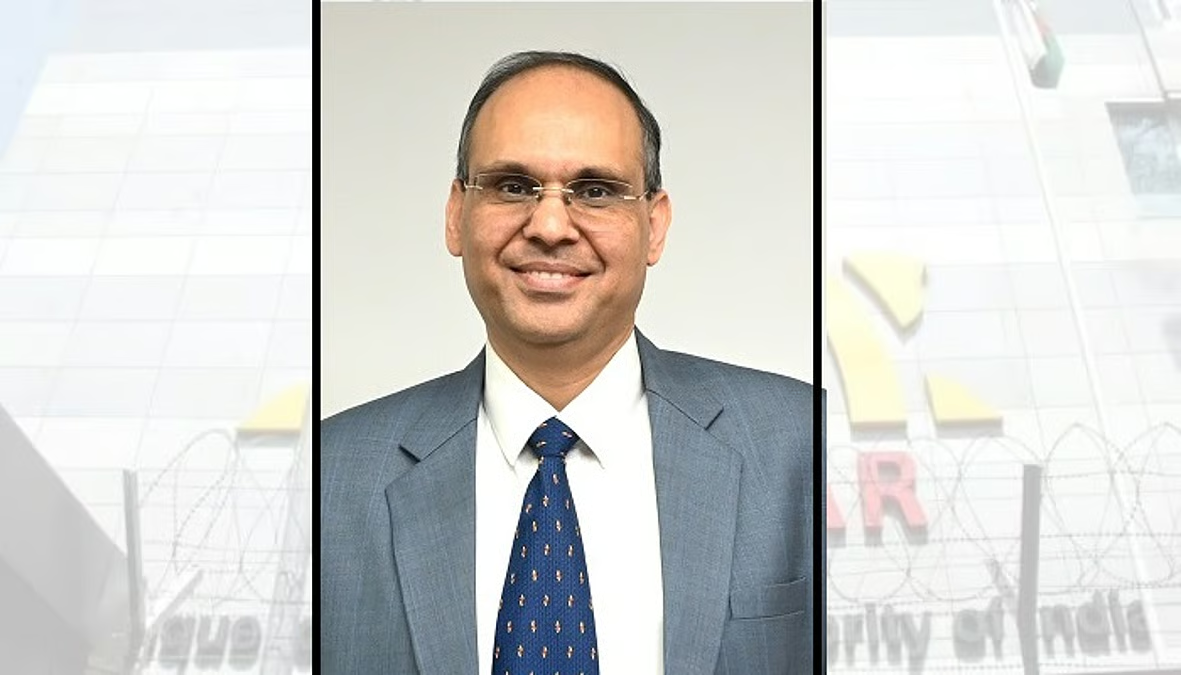
Amit Agrawal Appointed DoT Secretary: Key Updates on Governance Changes

Amit Agrawal Appointed DoT Secretary has become an important national update as the central government announced a major reshuffle across several top administrative positions. The new appointments aim to strengthen policy implementation, improve coordination and support long-term development across key sectors such as telecommunications, petroleum, tourism, land resources and social welfare. The Appointments Committee of the Cabinet approved these changes, marking one of the most notable administrative transitions of the year.
Thank you for reading this post, don't forget to subscribe!Amit Agrawal Appointed DoT Secretary: A Strategic Move in Telecom Leadership
The decision to place Amit Agrawal at the top of the Department of Telecommunications (DoT) is being viewed as a significant step toward strengthening India’s telecom ecosystem. As a 1993-batch IAS officer from the Chhattisgarh cadre, Agrawal brings decades of experience in governance, digital systems and public administration.

He replaces Neeraj Mittal, who had been leading the telecom department since September 2023. Agrawal’s appointment comes during a crucial phase for India’s telecom sector, which is expanding its 5G coverage, preparing for future network advancements, strengthening cybersecurity and improving digital infrastructure in rural and remote regions.
Agrawal’s background includes leadership roles in finance, administration and technology-driven governance, making him a strong choice for guiding India’s telecom priorities. With rapid growth in digital services and increasing demand for secure and reliable communication networks, his role will be essential in shaping India’s telecom future.
New Direction for Petroleum Ministry as Neeraj Mittal Takes Charge
After successfully steering the telecom department, Neeraj Mittal has now taken charge as the new Secretary of the Ministry of Petroleum and Natural Gas. His appointment signals a strategic shift as India continues to navigate global energy challenges, strengthen its domestic production capabilities and boost investments in clean fuels.
Mittal’s experience in policy reform and digital transformation could help modernize the petroleum sector, especially as the country works toward balancing conventional energy demands with newer, greener technologies. He succeeds Pankaj Jain, who has taken up a new role in a crucial government body.
Pankaj Jain Moves to Eighth Central Pay Commission
Pankaj Jain’s transition to the position of Member Secretary of the Eighth Central Pay Commission highlights the government’s preparation for a major review of pay structures for central government employees. The Pay Commission plays an essential role in revising salary scales, allowances and pension structures.
With Jain’s deep administrative experience and his earlier leadership within the petroleum ministry, he is expected to contribute significantly to the commission’s complex financial and structural responsibilities.
Manoj Joshi Takes Over Department of Pharmaceuticals
Another major shift includes the appointment of Manoj Joshi as the new Secretary of the Department of Pharmaceuticals. Joshi previously served as Secretary of the Department of Land Resources and is known for his strong administrative approach and policy execution capabilities.
He replaces Amit Agrawal, who now heads the Department of Telecommunications. Joshi’s appointment comes at a time when India’s pharmaceutical sector is undergoing rapid global expansion. The sector requires strong leadership in areas such as drug regulation, manufacturing quality, export growth, research innovation and supply chain strengthening.
With India playing a vital role in global medicine supply, leadership at the Department of Pharmaceuticals is important for maintaining quality standards and ensuring smooth coordination with international regulatory bodies.
Tourism Leadership Changes as V Vidyavathi Joins Empowerment Ministry
In another significant shift, V Vidyavathi, who served as Tourism Secretary, has now been transferred to the Department of Empowerment of Persons with Disabilities under the Ministry of Social Justice and Empowerment.
Her move is expected to support stronger implementation of disability-focused programs, accessibility initiatives, social justice schemes and empowerment-driven reforms. Vidyavathi’s administrative experience may help enhance service delivery, improve outreach and strengthen welfare mechanisms for people with disabilities.
Srivatsa Krishna Becomes New Tourism Secretary
To fill the position left by Vidyavathi, senior IAS officer Srivatsa Krishna has been appointed as the new Tourism Secretary. His experience in administrative reforms, digital systems and investment promotion may bring fresh direction to India’s tourism sector.
Tourism plays a major role in generating employment, promoting cultural heritage and boosting the economy. With global travel rising again, Krishna’s leadership could help India tap into international tourism markets, enhance infrastructure, promote eco-tourism and strengthen digital promotion strategies.
Transition in Agriculture Ministry: Atish Chandra Takes a Key Role
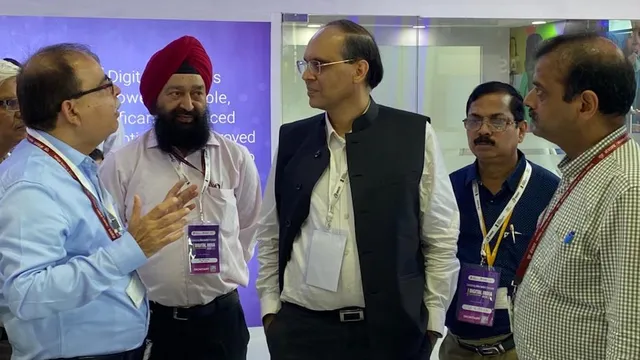
Another important update includes Atish Chandra, who currently serves as Special Secretary in the Prime Minister’s Office, being appointed as Officer on Special Duty (OSD) in the Department of Agriculture and Farmers’ Welfare. He is set to take over as full Secretary after the current incumbent retires on February 28, 2026.
This transition comes at a crucial time when the agriculture sector is undergoing modernization with a focus on climate-resilient farming, digital crop monitoring, farmer welfare schemes and enhanced procurement systems. Chandra’s leadership could influence many long-term programs aimed at improving productivity and increasing farmer income.
A Comprehensive Administrative Reshuffle Aimed at Stronger Governance
The latest round of appointments highlights the government’s intention to strengthen core ministries by placing experienced officers in strategic positions. These changes are expected to improve coordination, speed up policy implementation and support growth in areas like telecom, petroleum, pharmaceuticals, tourism, agriculture and social empowerment.
As India continues to expand its digital economy, upgrade infrastructure, improve welfare mechanisms and boost global competitiveness, strong administrative leadership will play a central role in shaping the nation’s next phase of development.