


Rajasthan Uniform Civil Code Panel

Rajasthan Uniform Civil Code is now in focus as Rajasthan has formed a high-level committee to prepare a draft law in 2026. The decision was taken after a cabinet approval earlier in April and officially announced on 22 June 2026. This move brings the state into ongoing national discussions about creating common civil laws for all citizens.
Thank you for reading this post, don't forget to subscribe!The idea of a Uniform Civil Code has been widely discussed in India, as it aims to simplify personal laws and ensure equal rights across communities. The formation of this panel is seen as an important administrative step toward that goal.
Understanding Uniform Civil Code
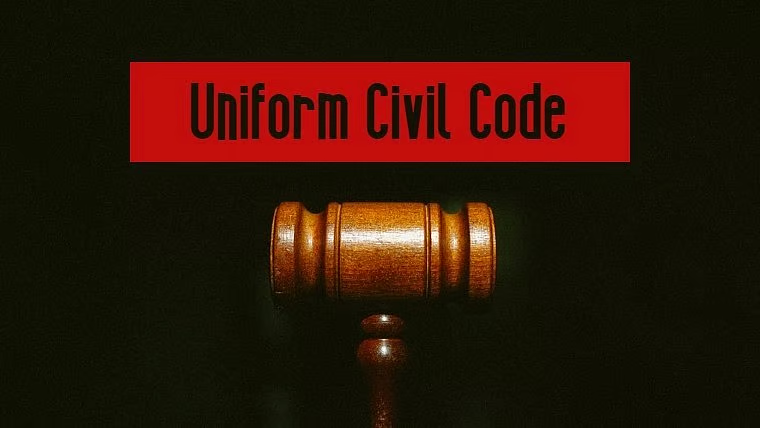
The Uniform Civil Code refers to a single set of civil laws that apply to all citizens, regardless of religion or community. These laws usually cover areas like marriage, divorce, inheritance, adoption, and maintenance.
The concept is mentioned in Constitution of India under Article 44, which encourages the state to work towards a common civil code. While it is not a mandatory law, it reflects a long-term policy direction.
The idea behind it is to promote equality and remove differences in personal laws that are currently based on religious practices.
Committee and Its Members
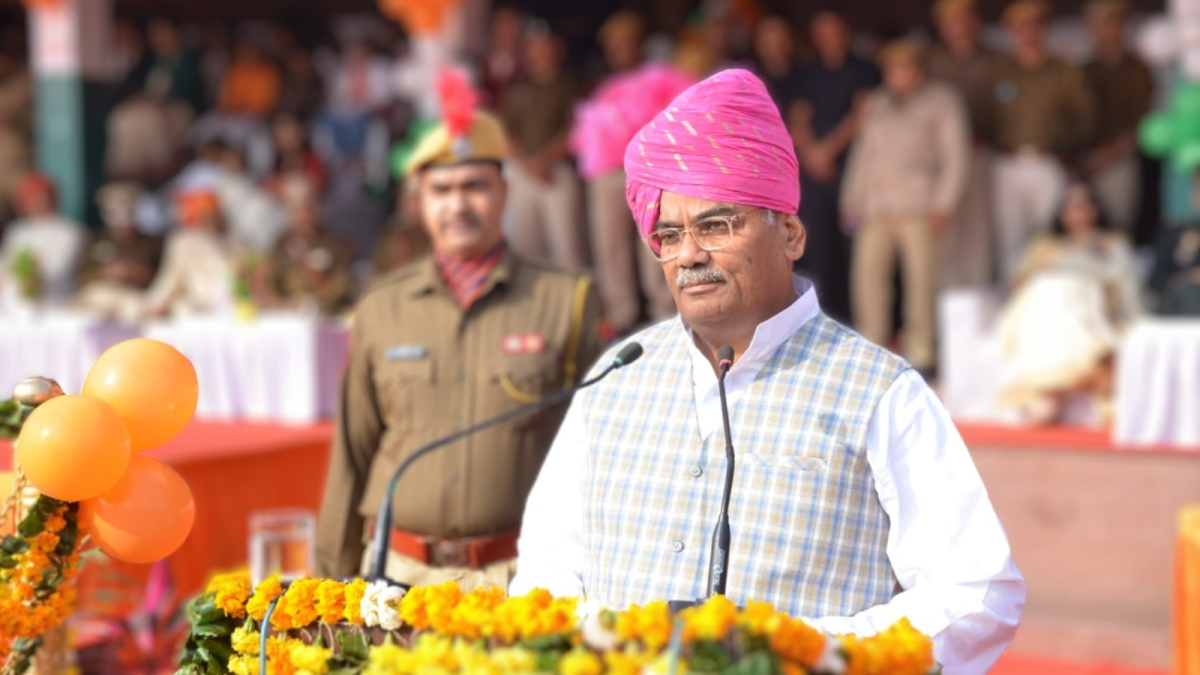
The Rajasthan Uniform Civil Code committee is led by Ranjana Prakash Desai. The panel includes experts from legal and administrative backgrounds.
Members include Shatrughna Singh, Basant Singh Chhaba, Ramswaroop Agarwal, and Shuchi Chauhan. The Additional Chief Secretary (Home) is serving as the Member-Secretary.
This diverse group is expected to study legal, social, and cultural aspects before preparing the draft.
Key Features in Draft Proposal
The proposed Rajasthan Uniform Civil Code includes several important features aimed at modernising personal laws.
One of the key points is mandatory registration of marriages and divorces. This step is expected to improve legal clarity and reduce disputes. The draft also proposes a complete ban on polygamy.
Another feature includes registration of live-in relationships. This reflects changing social trends and aims to bring such relationships into a legal framework.
The draft also focuses on equal rights for sons and daughters in ancestral property, promoting gender equality in inheritance laws.
Public Consultation and Participation
The committee plans to conduct consultations across different regions of the state. People will be able to share their views and suggestions through both offline meetings and online platforms.
This approach ensures that the final draft reflects public opinion and addresses local concerns. It also helps build awareness about the Uniform Civil Code among citizens.
Public participation is seen as an important part of shaping such a major legal reform.
Legal Background and Past Discussions
The Uniform Civil Code has been discussed in several legal cases over the years. One well-known case is Shah Bano Begum v. Mohammed Ahmed Khan, which brought national attention to personal laws and gender justice.
In India, most civil matters like marriage and inheritance are currently governed by different personal laws based on religion. The Uniform Civil Code aims to create a common system that applies to everyone equally.
Some regions like Goa already follow a form of common civil law for family matters, often referred to as a model for broader implementation.
Protection of Tribal Rights
The Rajasthan government has clarified that the rights and traditions of tribal communities will be protected. This is an important aspect of the Rajasthan Uniform Civil Code.
In India, tribal communities are protected under constitutional provisions like the Fifth Schedule and Sixth Schedule in certain areas. These provisions ensure that their customs and practices are respected.
Balancing uniform laws with cultural diversity remains an important part of the discussion.
Current Relevance and National Context
The Rajasthan Uniform Civil Code initiative comes at a time when legal reforms and social changes are widely discussed in the country. Topics like gender equality, legal clarity, and social justice are gaining attention.
Different states are exploring ways to update laws in line with modern needs while respecting traditions. Rajasthan’s move adds to this broader national conversation.
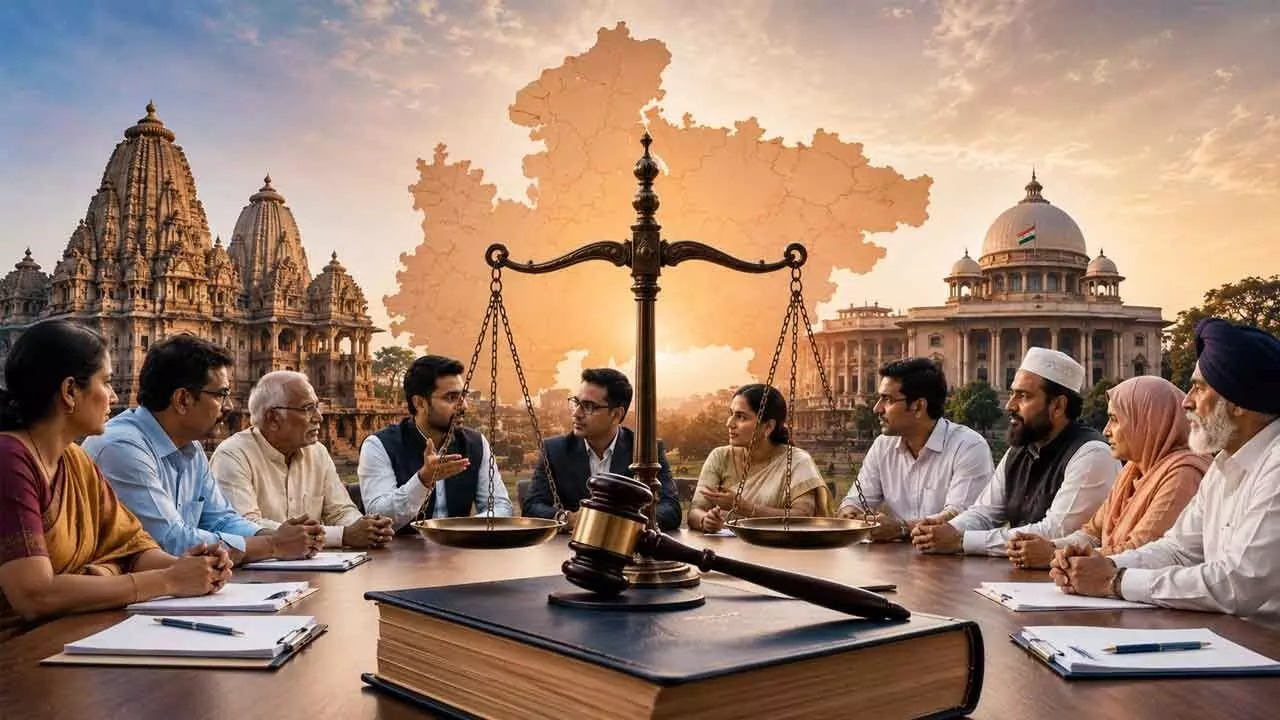
Additional Perspective on Legal Reforms
Rajasthan Uniform Civil Code reflects a shift toward simplifying legal systems and making them more inclusive. As society evolves, legal frameworks also need to adapt to new realities.
Efforts like this show how states are taking steps to address complex issues through consultation and structured planning. The process is expected to continue with discussions, feedback, and further revisions.