




Beaver Supermoon 2025: India Awaits the Year’s Brightest Full Moon

Skywatchers across India are eagerly preparing for one of the most dazzling celestial displays of the year the Beaver Supermoon 2025, set to illuminate the night sky on November 5, 2025. This rare astronomical event will showcase the moon in its grandest and brightest form as it reaches its closest distance to Earth in its orbit, creating a glowing spectacle that promises to mesmerize both casual observers and astronomy enthusiasts alike.
Thank you for reading this post, don't forget to subscribe!What Makes It a Supermoon
A supermoon occurs when a full moon coincides with the moon’s perigee the point in its elliptical orbit when it is nearest to Earth. This proximity makes the moon appear larger and brighter than usual, sometimes by as much as 14% in size and 30% in brightness.
According to NASA, this phenomenon is purely an optical effect. The moon’s orbit around Earth is not a perfect circle but slightly oval-shaped, meaning its distance from Earth varies throughout the month. When the full moon occurs during its closest approach, its enhanced brilliance and apparent size become noticeable to the naked eye, resulting in what we popularly call a supermoon.
For the Beaver Supermoon 2025, the moon will be approximately 357,000 kilometres away from Earth, making it the closest and most radiant full moon of the year.
The Origin of the Name “Beaver Moon”
The name “Beaver Moon” has deep roots in Native American and colonial traditions. It was the time of year when beavers began fortifying their dams in preparation for the freezing winter months. Trappers would also set their beaver traps before the swamps and rivers froze, ensuring a supply of warm fur during the harsh cold season.
Over time, the term “Beaver Moon” became associated with the November full moon, carrying forward centuries-old traditions that connected human life closely to the cycles of nature. When this November moon coincides with a supermoon, it earns the title “Beaver Supermoon”, a name that beautifully merges folklore and astronomy.
Peak Visibility and Timings in India
The Beaver Supermoon 2025 will reach its peak illumination at 6:49 pm IST (13:19 UTC) on November 5, 2025. Across India, the moon will begin to rise shortly after sunset, glowing prominently throughout the night.
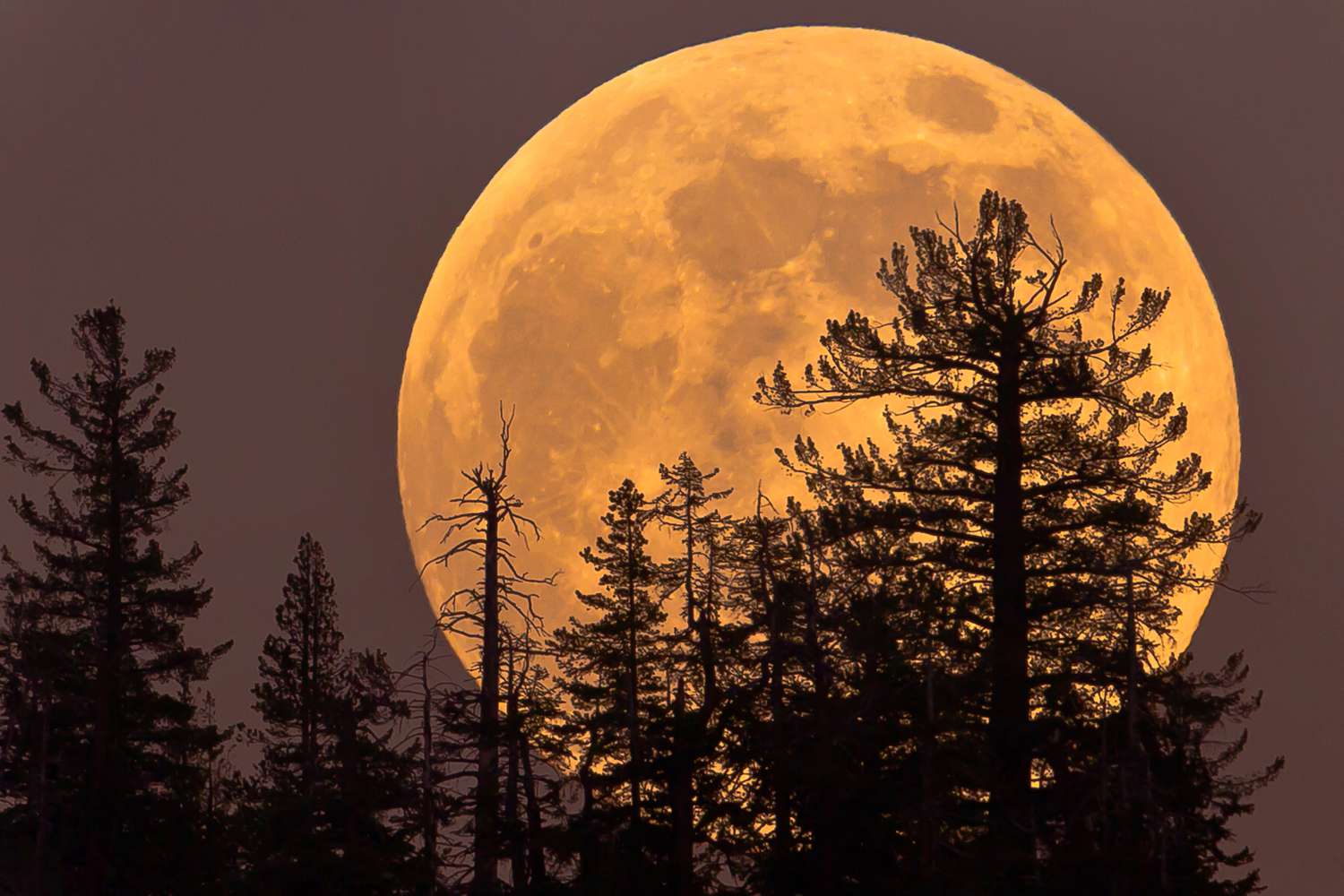
From bustling city rooftops to quiet rural fields, observers across the country will have a front-row seat to nature’s grand spectacle provided the skies remain clear. The moon’s golden hue will be most noticeable near the horizon during its early rise, gradually brightening to a silvery glow as it climbs higher into the sky.
For astronomy photographers, the event offers a rare opportunity to capture high-resolution images of lunar features like craters, maria (dark plains), and ridges with exceptional clarity.
Viewing Tips for the Beaver Supermoon 2025
To make the most of this celestial event, here are some simple viewing recommendations:
- Find a Dark, Open Area:
Choose a location away from city lights open fields, hilltops, or beaches are ideal for an unobstructed view. - Time It Right:
The moon will appear largest near the horizon due to an optical illusion known as the “moon illusion”. Viewing it just after moonrise gives the most dramatic effect. - Use Binoculars or a Telescope (Optional):
While the supermoon is perfectly visible to the naked eye, binoculars or telescopes can enhance details of the moon’s surface, revealing its striking topography. - Capture the Moment:
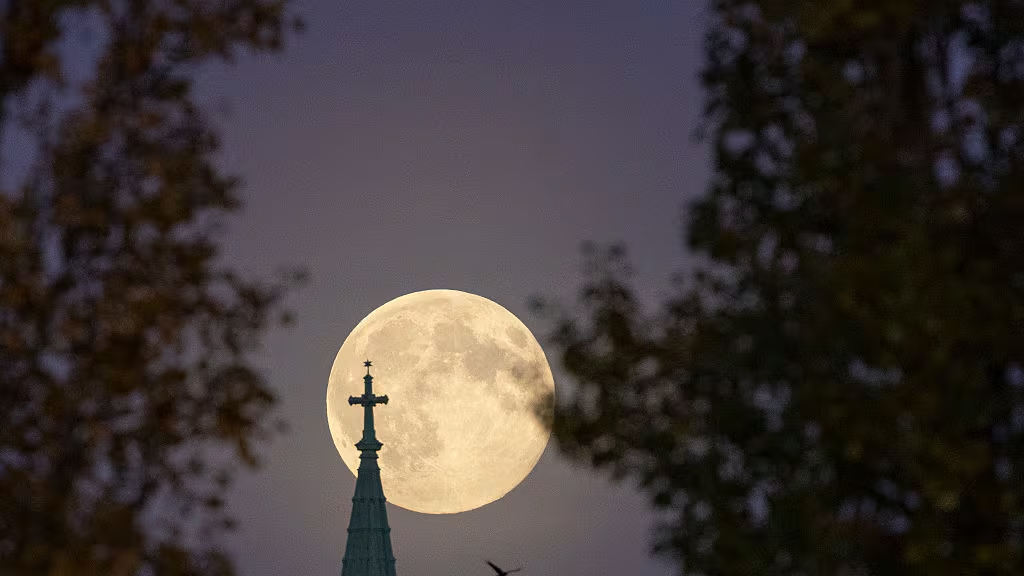
For photographers, using a tripod and a moderate zoom lens can help capture the moon’s fine details against the surrounding landscape. Including silhouettes of trees, temples, or skylines can add artistic perspective.
Celestial Context: Why This Supermoon Matters
The Beaver Supermoon 2025 will be the second of three consecutive supermoons in the year part of a rare lunar series that has excited astronomers and skywatchers alike. It follows the October Harvest Supermoon and precedes another supermoon in December, making this mid-series event a highlight for those tracking lunar cycles.
Such celestial alignments are not just visually enchanting but also scientifically significant. Supermoons allow astronomers to study lunar brightness, reflectivity (albedo), and gravitational effects on Earth’s tides more closely. Coastal areas often experience slightly higher tides, known as perigean spring tides, around these dates due to the moon’s gravitational pull being stronger at perigee.
Beyond science, supermoons carry deep cultural and symbolic meaning across civilizations representing cycles of renewal, illumination, and reflection. From poets to spiritual practitioners, the full moon continues to inspire awe, creativity, and contemplation.
The Awe of the Night Sky
The beauty of the Beaver Supermoon 2025 lies not only in its brightness but in what it represents the enduring wonder of our connection to the cosmos. Even as cities glow with artificial lights, a supermoon reminds humanity of the natural rhythms that have guided life for millennia.
For skywatchers, this event offers more than just a photo opportunity; it’s a moment of pause a reminder of the vastness beyond our daily routines. Whether viewed through a telescope or from a balcony, the silvery orb of the supermoon symbolizes the delicate balance between Earth and its lone satellite, ever circling in silent companionship.
Looking Forward
With advances in astronomy and space observation, every supermoon brings new opportunities to study our celestial neighbour in greater detail. As India continues to expand its space research capabilities through missions like Chandrayaan, public interest in lunar phenomena has surged making events like the Beaver Supermoon 2025 even more exciting for citizens young and old.
So, mark your calendars for November 5, 2025, and prepare to witness the moon at its most magnificent. Step outside, look up, and let the night sky remind you of nature’s quiet brilliance glowing brighter than ever under the Beaver Supermoon 2025.