Bekaa Valley Strike Escalates Israel-Lebanon Tensions

The Bekaa Valley Strike has sharply raised tensions between Israel and Lebanon after a series of deadly air raids targeted eastern Lebanon. According to Lebanese officials, at least 12 people were killed and more than 20 injured when Israeli aircraft struck locations in the Bekaa Valley, an area widely known as a stronghold of Hezbollah.
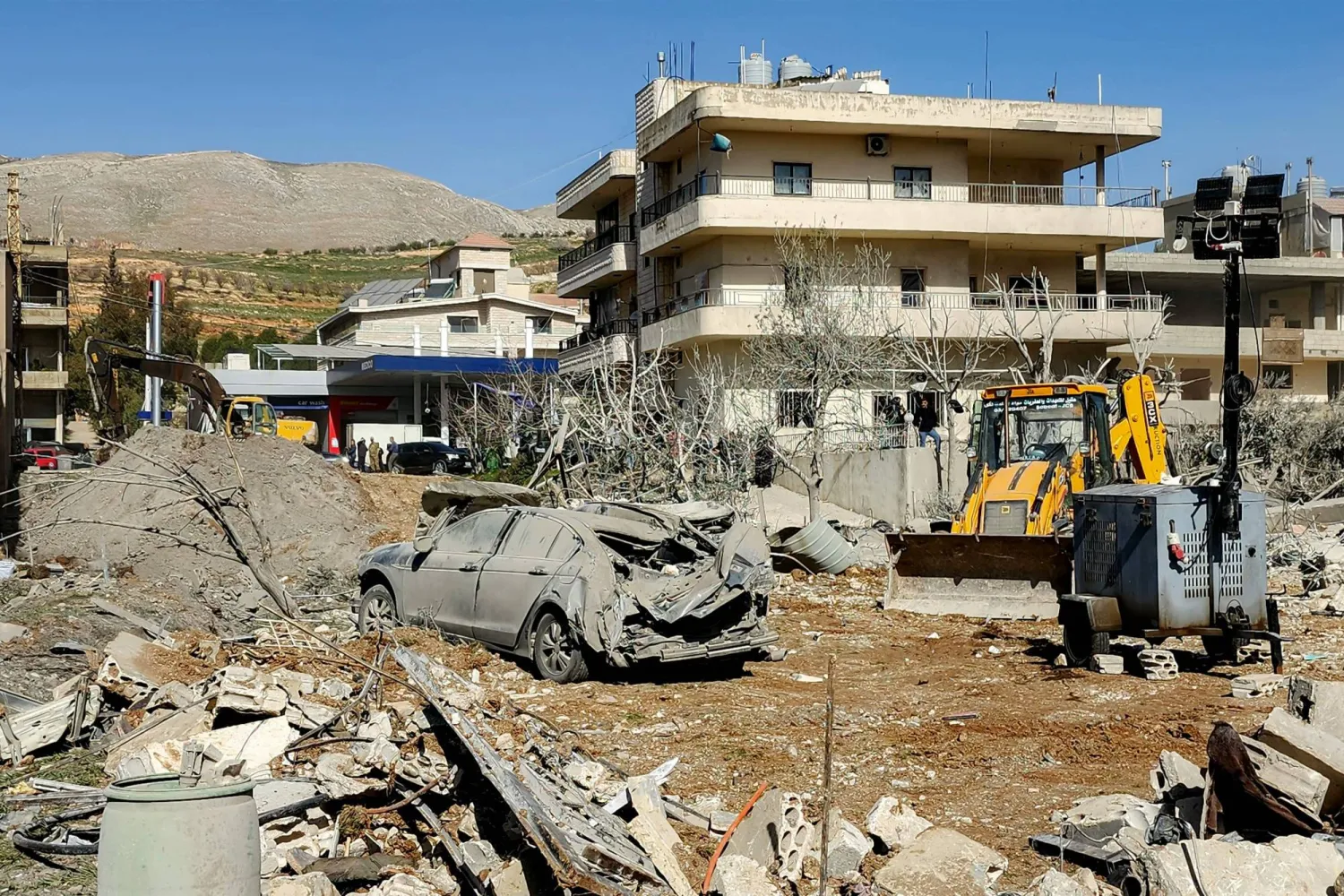
Thank you for reading this post, don't forget to subscribe!The Israeli military stated that the operation focused on Hezbollah command centers and infrastructure. Lebanese authorities reported that residential buildings were damaged, and emergency teams were seen pulling survivors from the rubble. The incident marks one of the most serious escalations since a fragile truce was agreed upon in 2024.
Bekaa Valley Strike and Targeted Operations
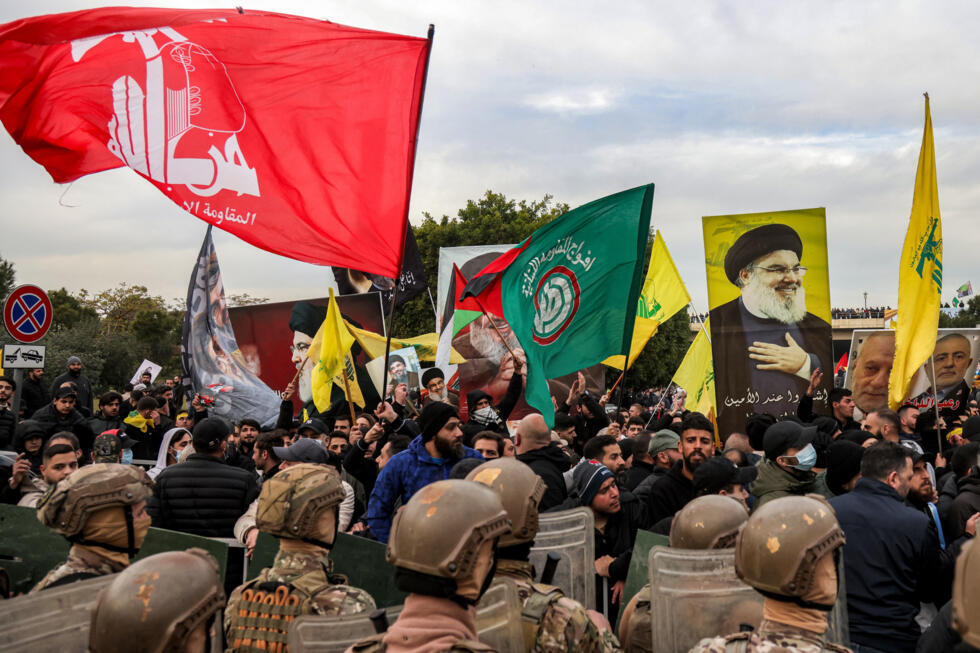
The Bekaa Valley Strike reportedly killed Hussein Yaghi, described by security sources as a senior Hezbollah figure. He was the son of former Hezbollah lawmaker Mohamed Yaghi. Hezbollah-linked media confirmed his death and announced funeral arrangements, while supporters gathered in mourning.
Israel has long accused Hezbollah of maintaining weapons depots and operational bases across Lebanon, particularly in the Bekaa region near the Syrian border. The area has strategic value due to its geography and cross-border routes.
Israeli officials argue that the strikes are aimed at preventing the group from strengthening its military capabilities. Lebanon’s leadership, however, has warned that such actions risk further destabilizing the country, which is already struggling with political and economic challenges.
Bekaa Valley Strike Ceasefire Under Strain
The Bekaa Valley Strike has placed additional pressure on the 2024 ceasefire brokered by the United States. That agreement followed months of cross border exchanges that intensified during the regional unrest connected to the Gaza conflict.
Since the truce, both Israel and Hezbollah have accused each other of violations. Israel claims Hezbollah continues to build military infrastructure, while Lebanese officials argue that Israeli airspace violations and targeted strikes undermine sovereignty.
The situation remains tense along Israel’s northern frontier. Residents in border towns on both sides have experienced repeated security alerts, disruptions, and fears of renewed fighting.
Bekaa Valley Strike on Sidon Refugee Camp
Earlier on the same day as the Bekaa Valley Strike, another Israeli air raid hit the Ain el-Hilweh refugee camp in the southern Lebanese city of Sidon. The camp is the largest Palestinian refugee settlement in Lebanon and has often faced internal clashes between factions.
Israel said the target was a Hamas command center. Hamas confirmed that two of its members were killed but rejected claims that the building served as a command hub. Instead, it described the structure as part of a joint security arrangement within the camp.
The strike has heightened concerns among humanitarian groups about civilian safety in densely populated areas. Refugee camps often lack strong infrastructure, making them especially vulnerable during military operations.
Bekaa Valley Strike Regional and Political Impact
The Bekaa Valley Strike comes at a time when the Middle East is already dealing with ongoing instability. The conflict in Gaza continues to influence regional alliances and tensions. Countries across the region are watching developments closely, fearing that isolated clashes could expand into a broader confrontation.
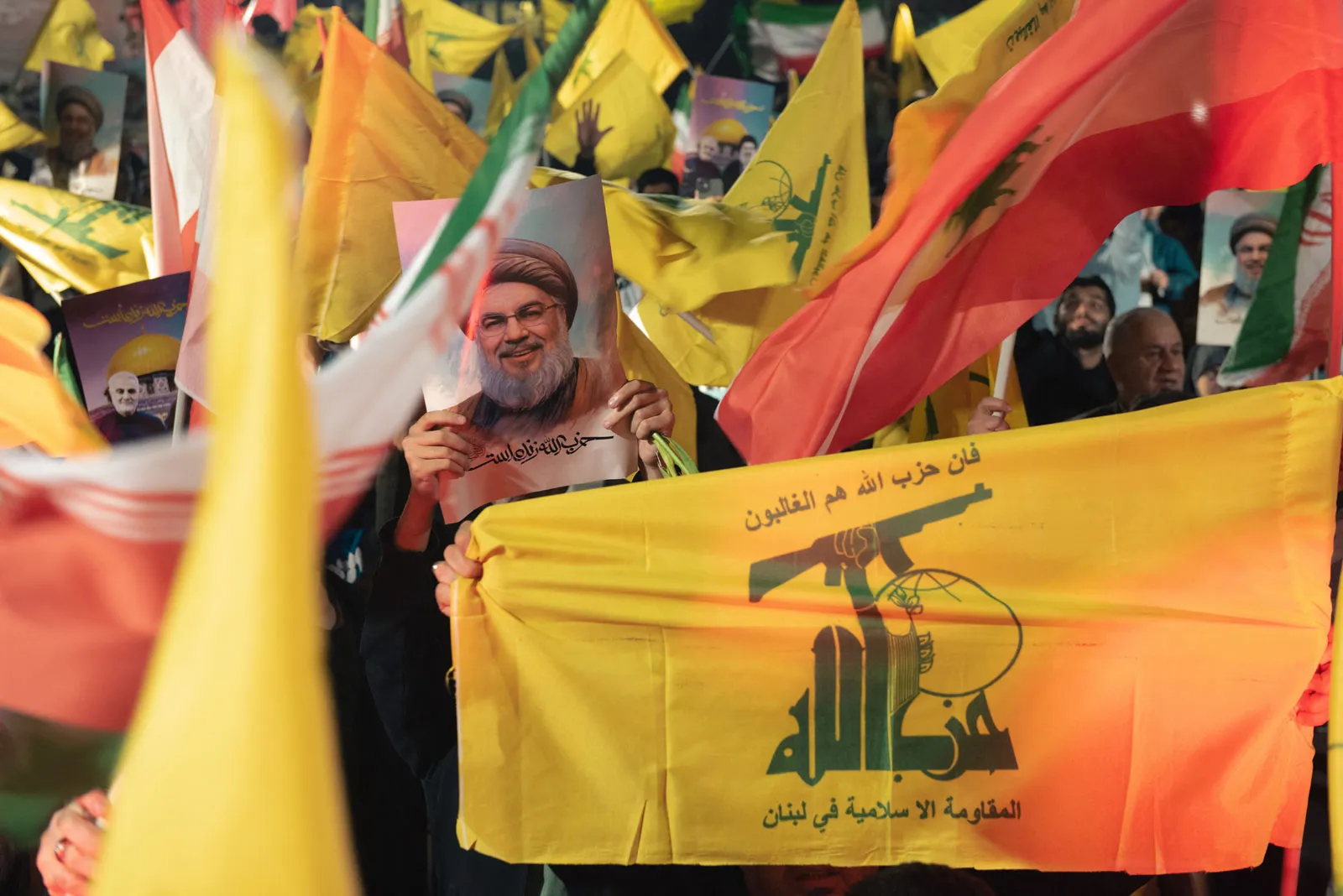
Hezbollah, backed by Iran, plays a significant role in Lebanese politics and security. Any major blow to its leadership or infrastructure could prompt retaliation. At the same time, Israel has signaled that it will continue operations if it perceives threats along its borders.
Lebanon’s fragile economy adds another layer of concern. The country has faced years of financial crisis, currency collapse, and political deadlock. Additional violence could further strain public services and displace communities already facing hardship.
Bekaa Valley Strike Civilian Concerns and Humanitarian Risks
Footage from the Bekaa Valley showed damaged homes and rescue workers searching for survivors. Families living near the targeted sites reported panic and confusion as explosions echoed through the area.
Humanitarian organizations have called for restraint, emphasizing the importance of protecting civilians. International observers worry that repeated strikes could push communities closer to displacement, adding pressure to an already fragile humanitarian situation.
Aid groups operating in Lebanon have urged all sides to respect international humanitarian law. They stress that densely populated zones require careful planning to avoid civilian casualties.
Bekaa Valley Strike Broader Security Calculations
Military analysts suggest that the Bekaa Valley Strike reflects Israel’s broader strategy of targeting what it sees as threats beyond its immediate border. The Bekaa region’s proximity to Syria has long made it a key transit area for weapons and fighters, according to Israeli security assessments.
Hezbollah, for its part, maintains that it operates as a resistance movement defending Lebanon. Supporters argue that Israeli actions justify maintaining military readiness.
The United States and European powers have repeatedly urged de-escalation. Diplomatic channels remain active, but the risk of miscalculation is high. A single large-scale incident could trigger wider hostilities.
Bekaa Valley Strike Global Reactions and Current Context
Global attention remains focused on the Middle East due to overlapping crises. The Gaza conflict, Red Sea shipping disruptions, and rising energy prices have already affected international markets.
Any expansion of fighting between Israel and Hezbollah could have broader economic effects, including on oil and trade routes. Investors and governments are monitoring developments closely.
Social media has also amplified reactions to the Bekaa Valley Strike. Images and videos from the scene spread quickly online, shaping public opinion and intensifying political debates across the region.
Bekaa Valley Strike Uncertain Path Ahead
As tensions remain high, both sides face complex decisions. Israel seeks to maintain deterrence and prevent attacks, while Hezbollah balances its regional role with domestic political realities.
The ceasefire framework established in 2024 is under visible strain. Diplomatic efforts may intensify in the coming days as international mediators attempt to prevent further escalation.
The Bekaa Valley Strike highlights how quickly localized violence can influence regional stability. With multiple actors involved and deep rooted grievances on both sides, the situation remains fluid and unpredictable.