Trump Global Tariff Plan After Court Ruling

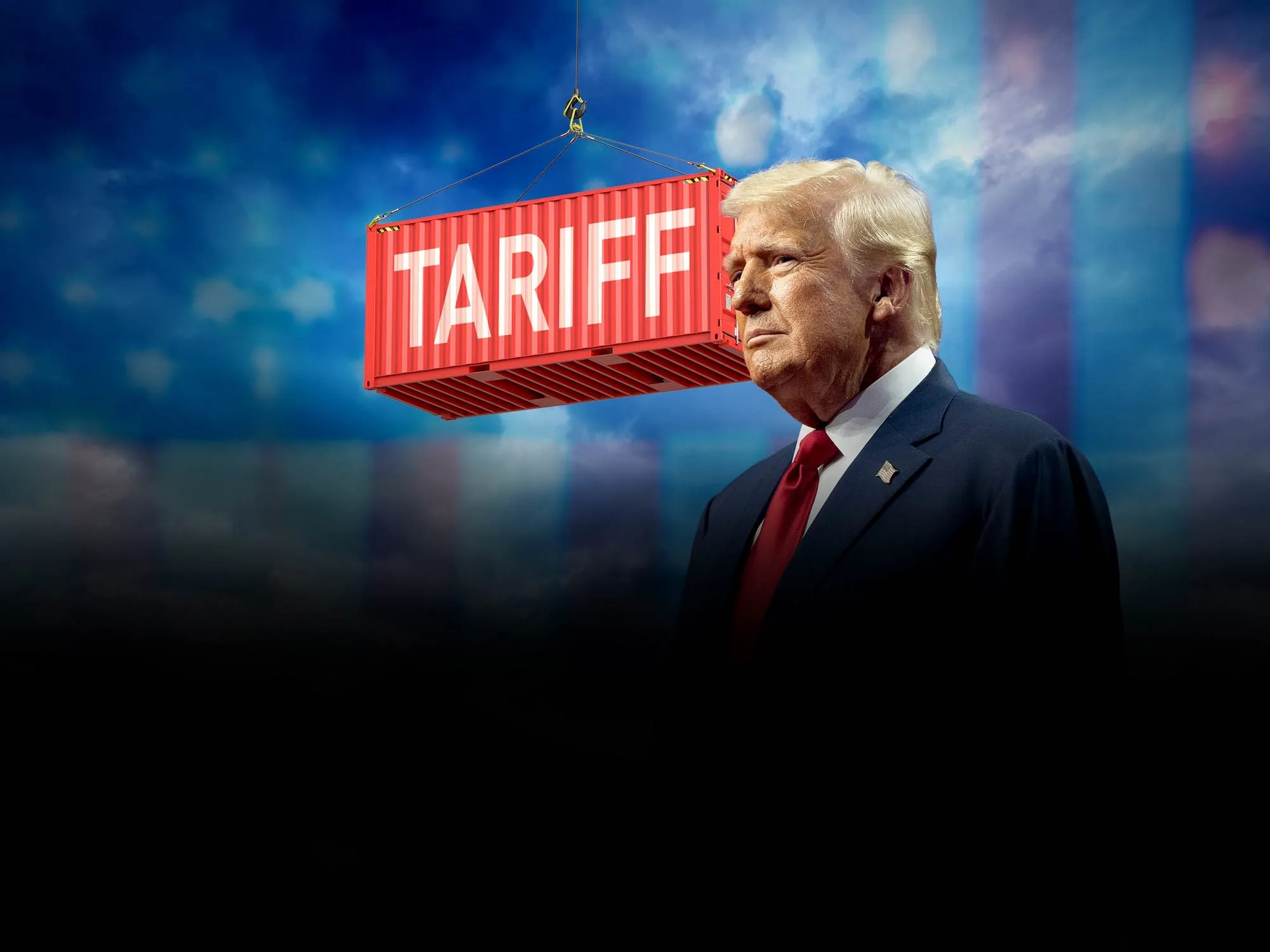
Trump Global Tariff announcement has sparked fresh debate in global markets after US President Donald Trump declared that he will impose a new 10% tariff on goods imported from around the world. The announcement came only hours after the Supreme Court of the United States struck down his earlier tariff policy, calling it unlawful.
Thank you for reading this post, don't forget to subscribe!The decision marks a dramatic turn in US trade policy. It also signals that trade tensions could rise again at a time when the global economy is already dealing with inflation concerns, supply chain adjustments, and geopolitical uncertainty.
Supreme Court Blocks Earlier Tariff Policy
In a narrow 6-3 ruling, the Supreme Court invalidated the earlier “reciprocal tariff” regime introduced by the Trump administration. These tariffs had been imposed under emergency powers and targeted multiple countries.
The court ruled that the International Emergency Economic Powers Act does not give the president the authority to impose wide-ranging tariffs without approval from Congress. Chief Justice John Roberts, writing for the majority, stated that the US Constitution clearly gives Congress the exclusive power to levy taxes and tariffs.
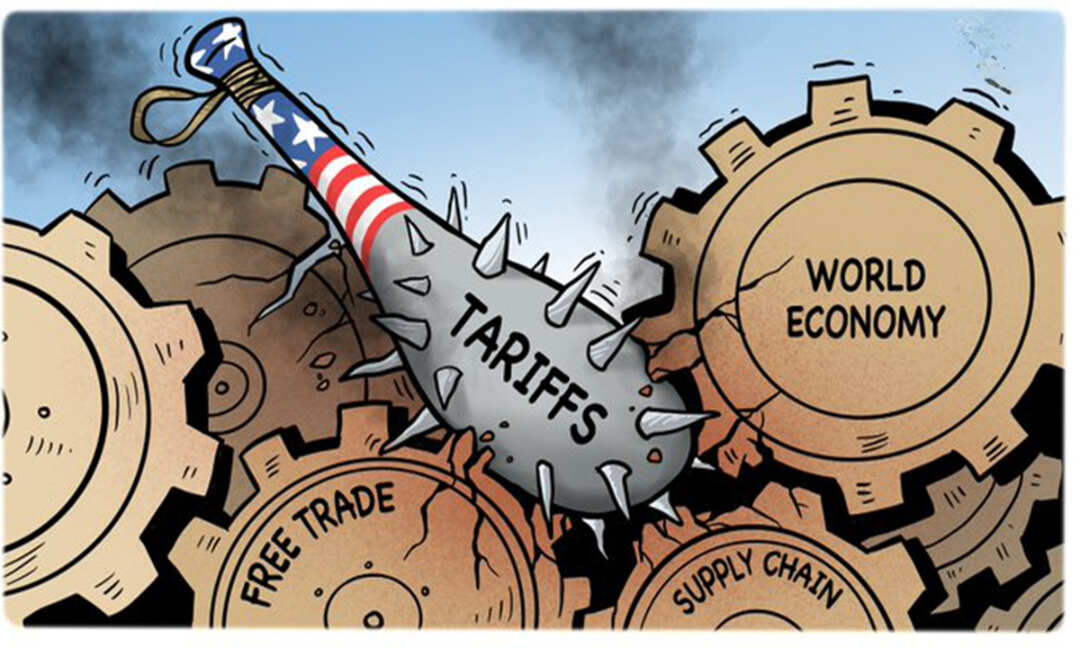
This judgment was seen as a major setback for the administration’s trade strategy. The ruling questioned the legal basis of the previous tariffs and created uncertainty about what would happen to duties already collected.
Trump Global Tariff: New 10% Global Tariff Announcement
Soon after the ruling, President Trump responded by announcing that he would sign a fresh executive order introducing a 10% global tariff. He said this action would be taken under Section 122 of US trade law.
In addition, he confirmed that investigations would be launched under Section 301 and other trade provisions. Section 301 has been used in the past to address what the US government describes as unfair trade practices by foreign countries.
The president described the court’s decision as “deeply disappointing” but insisted that alternative legal paths remain available. According to him, the new measures could even generate more revenue than the earlier plan.
The 10% tariff would apply broadly, covering goods from multiple countries rather than targeting specific nations. This broad approach has raised concerns among global trade partners and business leaders.
Who Really Pays the Tariffs?
During his press conference, Trump repeated his claim that foreign governments pay for tariffs. However, many economists argue that tariffs are usually paid by American importers. These companies then pass the extra costs on to consumers through higher prices.
Recent economic studies show that mid-sized American firms have seen a sharp rise in tariff payments over the past year. According to data linked to a major US bank, tariff expenses for such companies have tripled. These firms employ around 48 million people across the country.
As costs rise, companies often respond by increasing product prices, reducing hiring, or accepting lower profit margins. In a period when inflation remains a concern for many households, higher import duties could add further pressure on consumer budgets.
Trump Global Tariff: Market Reaction and Global Concerns
Global markets reacted quickly to the news. Stock indices showed volatility as investors tried to understand the possible impact of the new tariff plan. Trade-sensitive sectors such as manufacturing, technology, and retail are expected to feel the effects first.
Several countries have already expressed concern about the possibility of a new round of trade tensions. In recent years, the world has seen how tariff disputes can disrupt supply chains and slow economic growth. Many economies are still recovering from the impact of the pandemic and ongoing geopolitical conflicts.
At the same time, some supporters of the tariff move argue that stronger trade measures protect domestic industries and reduce dependence on foreign manufacturing. They believe that tariffs can encourage companies to produce more goods within the United States.
Trump Global Tariff: Revenue Projections and Budget Debate
The debate over tariffs is not only about trade but also about government revenue. Earlier projections from the Congressional Budget Office estimated that existing tariffs could raise about $3 trillion over a decade. However, experts note that this amount would still not fully solve long-term budget deficits.
President Trump suggested that the new 10% global tariff could generate substantial revenue. However, critics argue that tariffs can slow economic activity, which might reduce overall tax collections in other areas.
Another unresolved issue is whether businesses will receive refunds for tariffs collected under the earlier policy that the Supreme Court struck down. So far, the court has not provided clear guidance on how such cases would be handled.
Trump Global Tariff: Political and Economic Implications
The announcement comes at a time when trade policy is once again becoming a central political issue in the United States. With economic growth, inflation, and job creation under close public scrutiny, tariff decisions can influence both markets and voters.
Business groups have urged caution, saying that sudden changes in trade rules create uncertainty. Companies that rely on global supply chains prefer stable and predictable policies. Sudden tariff hikes can disrupt long-term contracts and investment plans.
On the other hand, some labor groups and domestic manufacturers have welcomed stronger trade measures. They argue that tariffs can help protect American jobs from foreign competition.
The broader global context also matters. Trade relationships with major economies are already sensitive due to ongoing geopolitical tensions. A broad 10% global tariff could affect relationships with allies as well as competitors.
As President Trump prepares to sign the executive order, businesses, investors, and governments around the world are closely watching the next steps. The coming weeks are likely to shape the direction of US trade policy and its impact on the global economy.