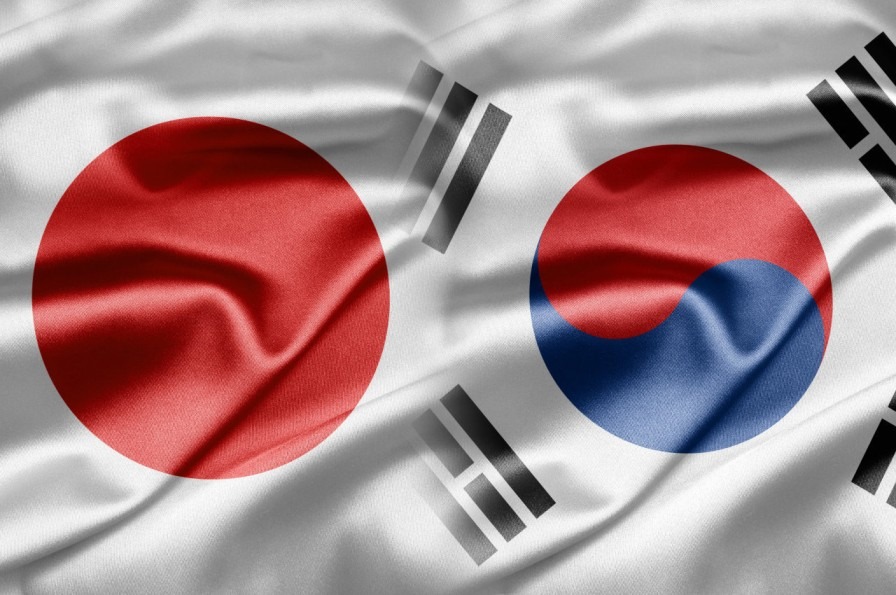
Dokdo Tension: South Korea Opposes Takeshima Day

Dokdo Tension has increased again after South Korea strongly criticised Japan for holding its yearly “Takeshima Day” ceremony. The event, organised by Shimane Prefecture, renews Japan’s claim over a group of disputed islets that are currently controlled by South Korea. The latest ceremony was attended by a senior Japanese government representative, which further upset Seoul and led to a formal diplomatic protest.
Thank you for reading this post, don't forget to subscribe!The small rocky islands are called Dokdo in South Korea and Takeshima in Japan. Even though the territory is tiny, it carries deep historical meaning and strong national emotions in both countries. Because of this, any public claim or celebration related to the islands quickly becomes a sensitive issue.
Strong Reaction from South Korea
South Korea’s foreign ministry released a statement expressing serious concern over the Takeshima Day event. Officials described the ceremony as an unfair claim over South Korean territory and urged Japan to stop holding it in the future. According to Seoul, such events damage trust and make it harder for the two countries to maintain stable relations.
The South Korean government also summoned a senior Japanese diplomat in Seoul to deliver a formal protest. This diplomatic step shows how seriously South Korea views the matter. Seoul repeated that Dokdo belongs to South Korea historically, geographically, and under international law.
Japan, however, continues to assert that the islands are part of its territory. During a recent parliamentary speech, Japan’s foreign minister once again stated Tokyo’s claim over Takeshima, adding to the growing tension.
Origins of the Dispute
The roots of the Dokdo Tension go back to the period when Japan ruled the Korean Peninsula from 1910 to 1945. After World War II ended, many territorial boundaries in East Asia were redefined. However, the ownership of these islets remained unclear and disputed.
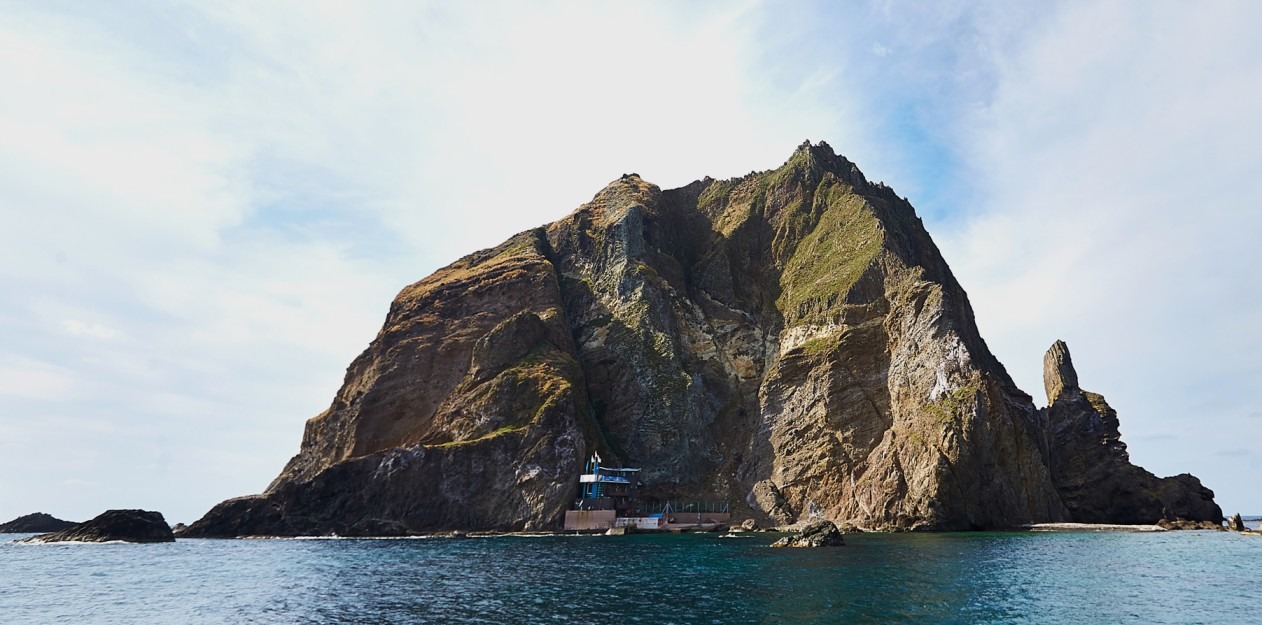
The islands are located in the body of water internationally known as the Sea of Japan, which South Korea calls the East Sea. The territory includes two main rocky islets and nearly 30 smaller rocks. Although they are small and have no large population, their location makes them important.
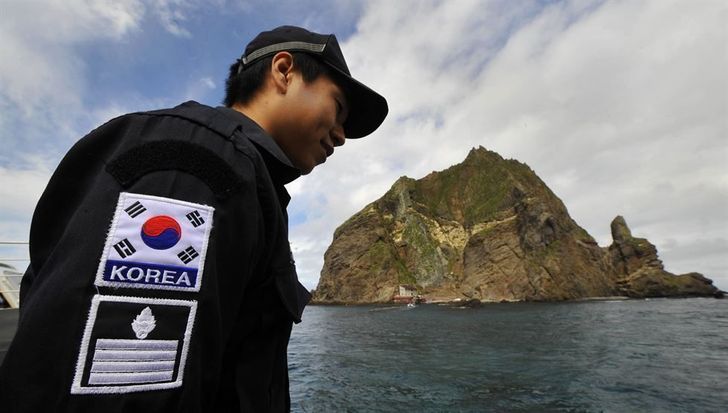
Since 1954, South Korea has maintained a coastguard presence on Dokdo. This means South Korea effectively controls the islands and manages access to them. Small facilities and security staff are stationed there to show administrative authority.
Why the Islands Matter
The Dokdo Tension is not only about history. The surrounding waters are rich in fish, making them valuable for the fishing industry. Local fishing communities depend on these waters for their livelihoods.
There is also speculation that the seabed around the islets may contain natural gas hydrates and other marine resources. In a time when countries are searching for alternative energy sources, such possibilities increase the importance of maritime territories.
Control of the islands also affects maritime boundaries and exclusive economic zones (EEZs). An EEZ gives a country rights over marine resources within a certain distance from its coast. In Northeast Asia, where sea routes are busy and strategic competition is rising, even small territories can carry major influence.
Regional and Global Context
The renewed Dokdo Tension comes at a time when East Asia is already facing several challenges. North Korea continues to test missiles, raising security concerns for both South Korea and Japan. At the same time, tensions in the Taiwan Strait and competition between major powers like the United States and China are shaping regional politics.
South Korea and Japan are key economic and security partners in the region. Both countries are strong democracies with advanced technology industries. They work together in areas like semiconductor supply chains, clean energy projects, and defence cooperation.
Recently, leaders from Seoul and Tokyo had taken steps to improve relations after earlier disagreements over trade restrictions and wartime labour issues. Meetings between officials and renewed defence talks had given hope that ties were stabilising.
However, symbolic issues like Takeshima Day often bring back old disagreements. Public opinion in both countries remains sensitive about history and territorial rights. Governments must carefully balance diplomacy with domestic expectations.
Public Sentiment in Both Countries
In South Korea, Dokdo is widely seen as a symbol of national pride and independence. Many citizens feel strongly that any foreign claim over the islands is unacceptable. Media coverage and public discussions often highlight Dokdo’s importance in Korean history.
In Japan, some political leaders and local authorities argue that Takeshima is historically Japanese territory. Shimane Prefecture created Takeshima Day in 2005 to raise awareness of its claim. Since then, the annual event has continued despite objections from Seoul.
Because of this emotional connection on both sides, even a single ceremony can quickly turn into a diplomatic issue. The dispute is not just about land, but about identity and memory.
Economic Ties Continue Despite Dispute
Despite the Dokdo Tension, South Korea and Japan remain deeply connected through trade and investment. Japan is one of South Korea’s major trading partners, and both countries play an important role in global supply chains. From electronics and automobiles to renewable energy projects, cooperation continues in many sectors.
Tourism between the two countries has also been recovering after the pandemic years. Cultural exchanges, including music, films, and food trends, show that people-to-people ties remain active.
This makes the territorial dispute more complex. While governments clash over Dokdo or Takeshima, businesses and citizens continue daily cooperation.
Ongoing Diplomatic Challenge
The latest protest once again shows how historical disputes can affect modern diplomacy. Both governments have avoided extreme measures and continue communication through diplomatic channels. However, the repeated controversy keeps the issue alive in public debate.
As global politics shift and regional security concerns grow, stable relations between South Korea and Japan remain important. Yet, as the Dokdo Tension demonstrates, unresolved historical matters still have the power to create friction.
For now, the islands remain under South Korean control, while Japan continues to assert its claim through official statements and local events. The situation reflects the delicate balance between cooperation and competition in Northeast Asia today.