
Operation Demolishment Clears Naxal Memorials

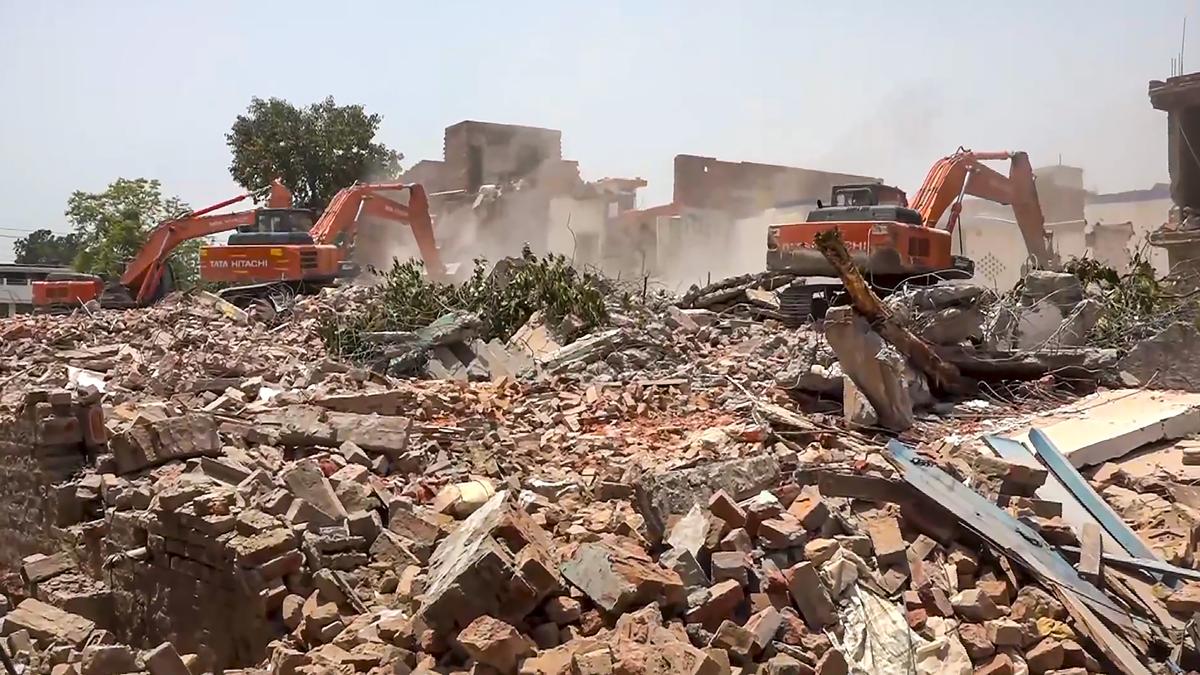
Operation Demolishment has marked a new chapter in India’s ongoing fight against Left-Wing Extremism. Security forces are no longer focusing only on armed groups operating in forested regions but are also removing symbols linked to extremist ideology. In recent months, authorities have dismantled hundreds of memorials said to have been built by Naxal groups to honour their leaders and influence local communities.
Thank you for reading this post, don't forget to subscribe!The campaign is mainly active in the states of Chhattisgarh and Maharashtra, both of which have faced long-standing issues related to Naxalite activity. According to official data, a total of 203 such memorial structures have been removed across the two states so far. The action shows a clear shift in strategy from only countering armed activity to also addressing ideological presence on the ground.
Operation Demolishment: A New Phase in Anti-Extremism Strategy
For decades, parts of central and eastern India have been affected by Maoist movements, often referred to as Naxalism. These groups have operated in what is widely known as the “Red Corridor,” a belt of districts that stretches across several states. While security operations have reduced violence in recent years, officials say that symbolic structures such as statues, pillars, and plaques continued to serve as gathering points and reminders of extremist influence.
Under Operation Demolishment, authorities identified and removed structures that were allegedly built to glorify slain cadres or leaders. Security agencies believe these memorials were sometimes used for meetings, recruitment activities, and spreading messages that encouraged anti-state sentiment.
By clearing these physical symbols, officials aim to break what they describe as the psychological network that supports extremist movements. The focus is not only on weapons and camps but also on the ideas and narratives that help such groups survive.
Operation Demolishment: Sharp Rise in 2026
The pace of Operation Demolishment increased sharply in 2026. In Chhattisgarh, no such structures were taken down in 2023. The number slowly increased to eight in 2024 and eleven in 2025. However, 2026 saw a dramatic jump, with 130 memorials dismantled in a single year. This brings the four-year total in the state to 149.
Maharashtra recorded smaller but noticeable figures. One structure was removed in 2023, two in 2024, and seven in 2025. In 2026, authorities stepped up the drive and removed 45 memorials. The total number in the state now stands at 55.
Security officials describe the sudden increase as part of a coordinated plan to clear areas where extremist symbols remained visible. Teams conducted search operations in remote villages and forest zones, often with the support of local police and central forces.
Operation Demolishment: Impact on Local Communities
The removal of memorials has created mixed reactions in affected areas. Some residents say the presence of such structures created fear and pressure, especially in villages where extremist groups once held strong influence. Others feel that any action in sensitive regions must be handled carefully to avoid tension.
Authorities say that the aim is not to disturb local culture or traditions but to remove structures that promote violence or anti-democratic messages. They stress that development projects, road construction, mobile connectivity, and welfare schemes are also being expanded in these regions.
In recent years, the government has focused on improving infrastructure in tribal and remote districts. Better roads, schools, health centres, and digital access are seen as long-term solutions to reduce the appeal of extremist groups. Operation Demolishment is being presented as one part of a larger plan that combines security measures with development efforts.
Operation Demolishment: Changing Security Approach
Experts note that modern counterinsurgency strategies often target both physical and symbolic control. In many conflict zones around the world, monuments and memorials are used to shape public memory and influence young minds. By removing these sites, authorities hope to reduce the emotional and ideological pull of banned organisations.
Security forces have also increased surveillance and patrols in vulnerable districts. Coordination between state police and central forces has improved, leading to more joint operations. Officials say that intelligence sharing and technology use, including drones and satellite mapping, are helping them locate hidden sites.
The move also comes at a time when India is pushing for stronger internal security while promoting economic growth in rural and tribal belts. With national elections discussions and development debates shaping public discourse, internal stability remains a key priority.
Operation Demolishment: Focus on Youth and Awareness
One concern raised by security agencies is the influence of extremist propaganda on young people in isolated areas. Memorial sites sometimes acted as storytelling spaces where past events were presented from a one-sided perspective. Authorities believe that removing such sites can reduce the spread of misleading narratives.
At the same time, state governments are increasing outreach programmes in schools and colleges. Skill training, sports events, and job fairs are being organised to offer alternatives and opportunities. Social media awareness campaigns are also being used to highlight government schemes and success stories from former conflict zones.
Operation Demolishment: Broader National Context
Left-Wing Extremism has declined in many parts of India over the last decade, but certain districts remain sensitive. Chhattisgarh continues to report sporadic incidents, particularly in its southern region. Maharashtra has also faced challenges in border districts close to forested belts.
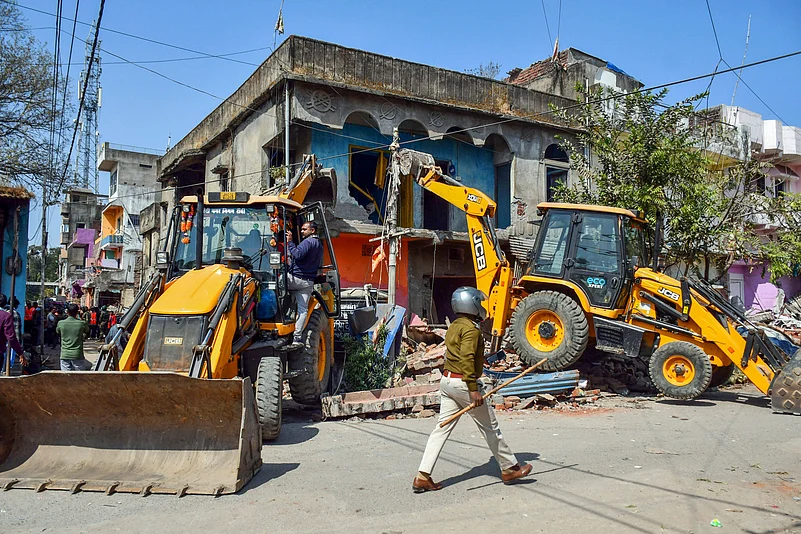
Operation Demolishment signals that the strategy now extends beyond direct encounters with armed groups. It addresses what officials describe as the “support system” of extremism including symbols, communication channels, and local influence networks.
The campaign may expand further if authorities identify similar structures in other states affected by Maoist activity. Officials indicate that actions will continue based on ground reports and intelligence inputs.
Operation Demolishment: Development and Security Together
Government representatives emphasise that security operations alone cannot solve deep-rooted issues. Development programmes are being fast-tracked in previously affected districts. Road connectivity projects, rural electrification, clean water supply, and internet services are being prioritised.
There is also growing attention on tribal rights, forest land issues, and livelihood support. By addressing economic and social concerns, policymakers hope to reduce the space in which extremist ideas can grow.
Operation Demolishment reflects this dual approach combining firm security action with community-focused development. Authorities maintain that lasting peace depends on both safety and opportunity.