

NGT Orders Suav River Restoration and Corrects Official Records

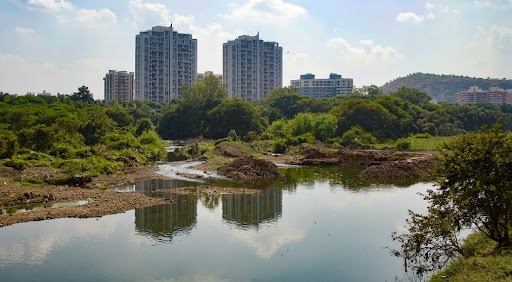
NGT Orders Suav River Restoration has come into national attention after a strong directive from the National Green Tribunal (NGT). The tribunal has ordered the government of Uttar Pradesh to restore the Suav’s legal status from a “nullah” or drain back to a “river” in all official revenue records and gazette notifications. This decision marks an important step in protecting natural water bodies and preventing the gradual erasure of rivers through administrative changes.
Thank you for reading this post, don't forget to subscribe!The order was passed in response to a petition that challenged the downgrading of the Suav, an important tributary of the Rapti River, flowing through Balrampur district. The tribunal made it clear that failure to comply with its directions would invite penal action under the National Green Tribunal Act, 2010, underlining the seriousness of the issue.
Direction to Restore River Status
The NGT bench, headed by Chairman Justice Prakash Srivastava, instructed the Balrampur district magistrate to correct all revenue records within three months. These corrections must also be published in the Official Gazette and widely circulated local newspapers to ensure transparency and public awareness.
The tribunal further directed district authorities in Balrampur and Siddharthnagar to stop any new construction activities in the Flood Plain Zone of the Suav until the Active Flood Zone is properly identified and demarcated. This move aims to prevent further encroachments and reduce future flood risks linked to unchecked development along riverbanks.
The case was taken up under the tribunal’s suo motu powers after a letter petition was received. The NGT relied on the Supreme Court’s ruling in Municipal Corporation of Greater Mumbai vs Ankita Sinha, which affirmed the tribunal’s authority to act on environmental issues even without a formal complaint.
Historical Importance of the Suav River
Petitioners highlighted the historical importance of the Suav by referring to the 1906 publication “Gonda: A Gazetteer.” In this record, the river was described as “Suwawan” and recognised as a significant tributary of the Rapti. The Suav stretches nearly 120 kilometres and plays a key role in recharging wetlands, lakes, and ponds before merging with the Rapti, which is part of the larger Ganga River system.
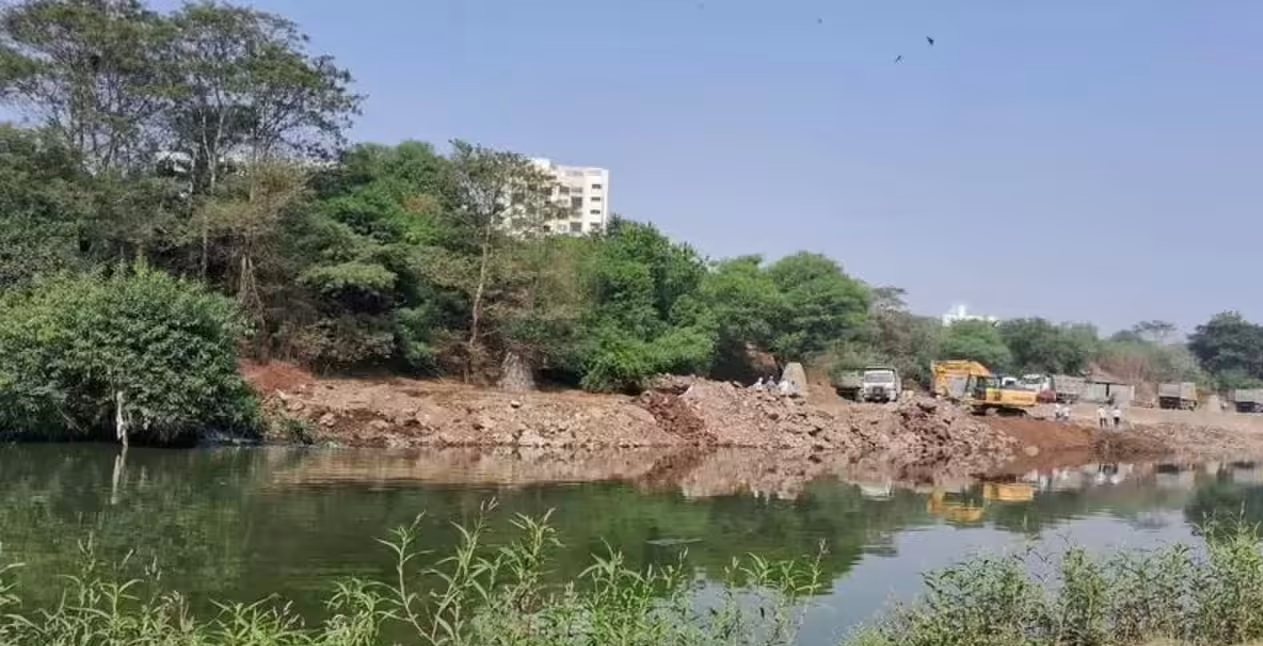
Over decades, however, the river’s identity slowly faded due to land reclamation, encroachments, and infrastructure projects. These pressures eventually led to its classification as a drain in official records. The petition argued that this change was not only historically incorrect but also environmentally damaging.
Environmental Risks and Local Concerns
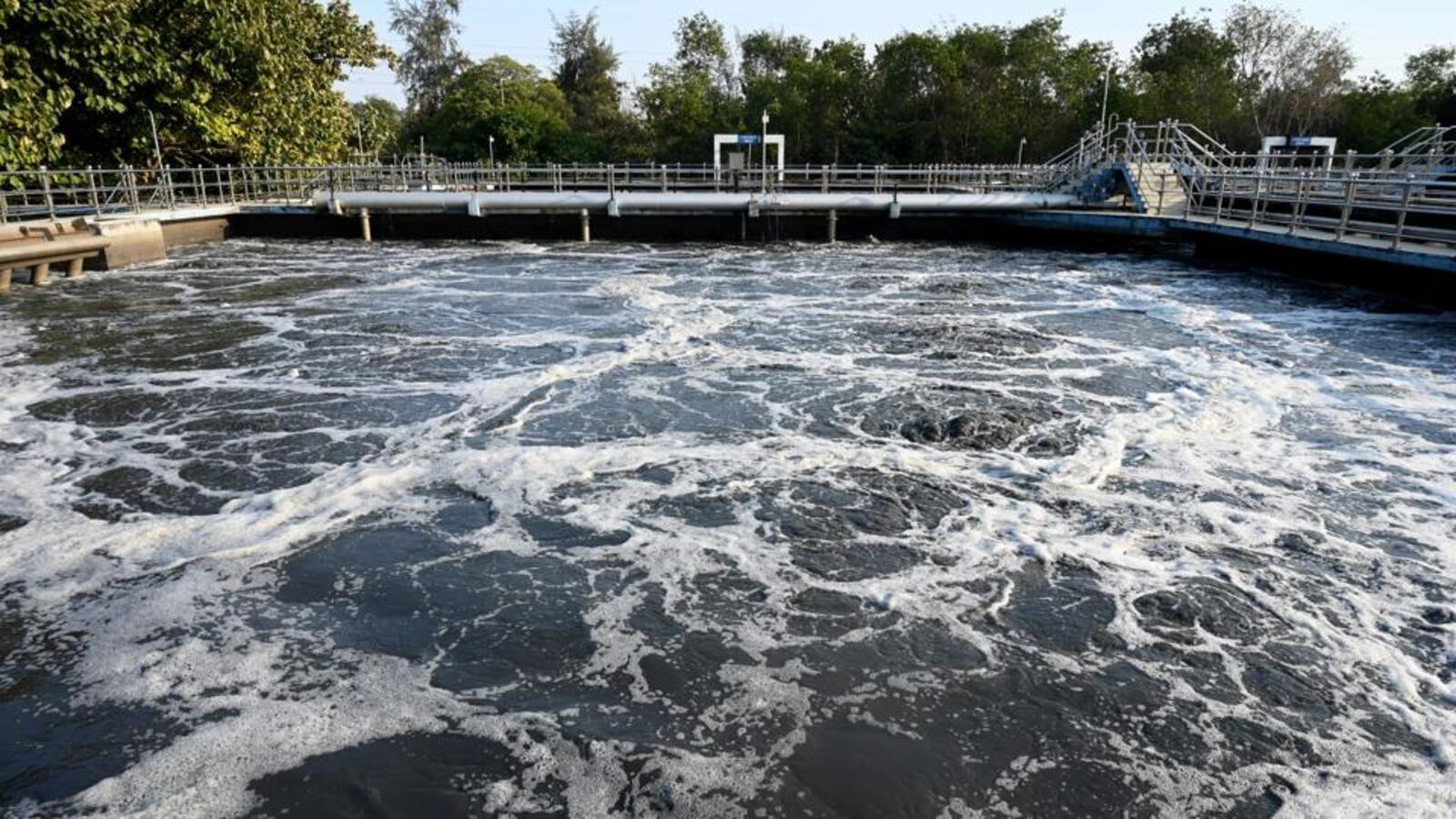
The plea before the NGT raised serious concerns about construction activities on the riverbed, including a sewage treatment plant and a community hall. Such projects, if carried out without proper planning, could block the natural flow of the river, worsen pollution, and increase the risk of flooding during the monsoon season.
Local residents and environmental advocates warned that treating the Suav as a drain instead of a river made it easier to justify dumping waste and allowing encroachments. This, in turn, threatened nearby agricultural land, wildlife habitats, and groundwater recharge systems that depend on a healthy river ecosystem.
By ordering the restoration of the river’s status, the NGT has attempted to reverse this damaging trend and reassert the ecological value of the Suav.
Floodplain Protection and River Monitoring
As part of the order linked to NGT Orders Suav River Restoration, the tribunal issued several directions to ensure long-term protection. District Ganga Committees have been asked to follow the Sant Seechewal model, which focuses on community participation in river rejuvenation. This model has shown that local involvement can significantly improve river health and cleanliness.
The Uttar Pradesh Pollution Control Board has been instructed to regularly monitor the water quality of the Suav. This includes checking treated sewage and industrial effluents to ensure that pollution standards are met. Continuous monitoring is expected to prevent the river from turning into a waste channel again.
The Irrigation and Water Resources Department has also been given six months to demarcate the active floodplains of the river. This task must be carried out in line with guidelines issued by the Central Water Commission and the River Ganga (Rejuvenation, Protection and Management Authorities) Order, 2016. Proper floodplain zoning is crucial to balancing development needs with environmental safety.
Legal Warning and Accountability
The NGT did not mince words when it came to enforcement. It warned that any failure to implement its directions would be treated as an offence under Section 26 of the National Green Tribunal Act, 2010. Penalties under this provision can include fines and imprisonment, showing that environmental violations are treated as serious legal offences.
The tribunal also stated that its order is enforceable as a civil court decree under the Code of Civil Procedure, 1908. This gives the directive strong legal backing and limits the scope for delays or excuses by authorities.
In addition, the National Mission for Clean Ganga has been asked to review proposals related to sewage treatment and the rejuvenation of the Suav. This step adds another layer of oversight and aligns the river’s restoration with broader national efforts to clean and protect rivers.
A Step Towards River Protection
The ruling connected to NGT Orders Suav River Restoration sends a clear message that rivers cannot be erased on paper without consequences. By restoring the Suav’s status as a river, the NGT has reaffirmed the importance of historical records, ecological balance, and community welfare.
The order also highlights a growing judicial focus on protecting smaller rivers and tributaries, which often receive less attention than major rivers but are equally vital to regional ecosystems. If implemented in letter and spirit, this decision could help revive the Suav and serve as an example for similar cases across the country.