


How Vaan Island Restoration Benefits Coastal Ecology and Local Economy

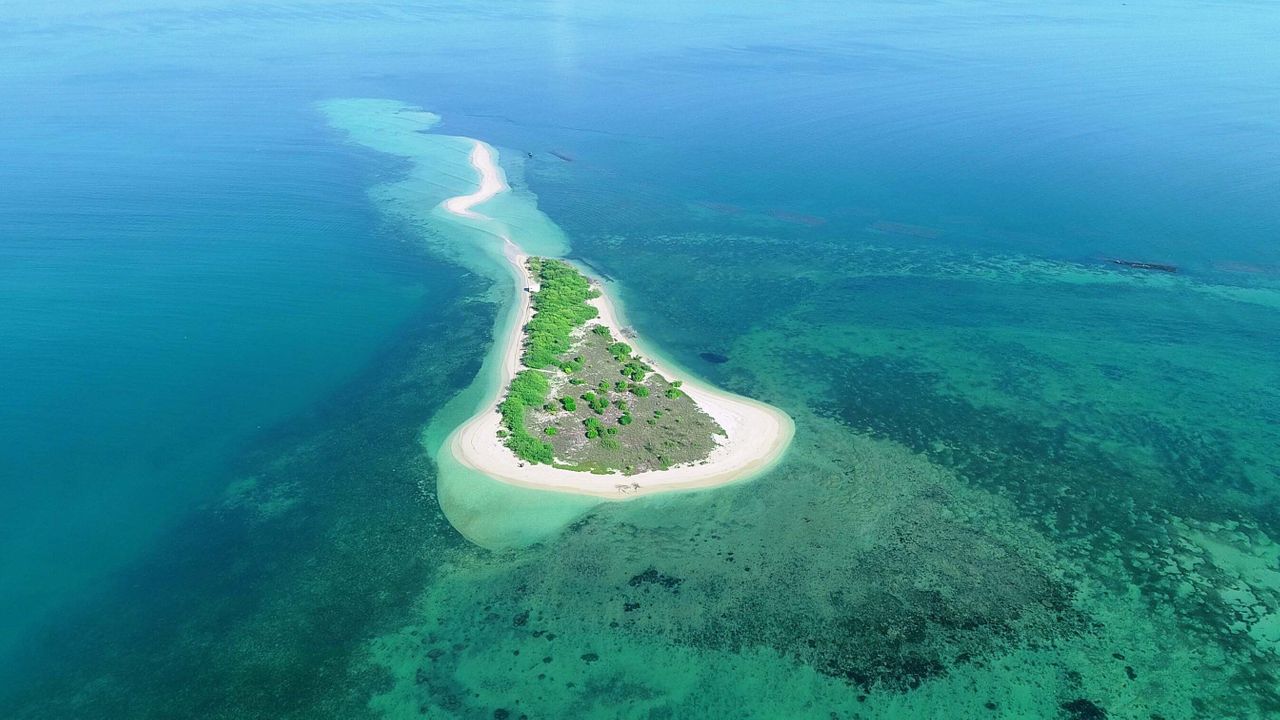
The story of Vaan Island Restoration Benefits stands as a powerful example of how nature based solutions can heal damaged coastlines while also supporting local economies. Located in the fragile marine ecosystem of the Gulf of Mannar, Vaan Island was once on the brink of disappearance. Years of coral mining, reef destruction and rising sea levels had reduced the island to a shadow of its former self. Between 1969 and 2015, nearly 92 percent of its area was lost, making it one of the most threatened coral islands along the Tamil Nadu coast.
Thank you for reading this post, don't forget to subscribe!A decade long restoration effort has now changed this narrative. Through the use of artificial reefs and scientific planning, Vaan Island has not only regained land but also delivered socio ecological benefits worth ₹61.67 crore. This value is more than double the inflation adjusted cost of the project, clearly showing that investing in nature brings strong and lasting returns.
A Scientific Response to a Shrinking Island
The restoration project began in 2015, led by a collaboration between the Tamil Nadu Coastal Restoration Mission, the Suganthi Devadason Marine Research Foundation, and IIT Madras. Scientists identified severe coastal erosion as the main threat to the island’s survival. Strong waves were washing away sediment faster than it could settle, leaving the island exposed and unstable.
To address this, researchers deployed 10,600 specially designed artificial reef modules around the island. These structures were placed strategically on the seabed to reduce wave energy and trap sediment. Over time, this allowed natural processes to resume. Sand began to accumulate instead of being swept away, and the island slowly started to expand again.
Geomorphic monitoring revealed encouraging results. From just 1.53 hectares in 2015, the island’s area grew to more than 2.3 hectares. This physical recovery alone highlights one of the most important Vaan Island restoration benefits, proving that even severe coastal loss can be reversed with the right approach.
Revival of Marine Life and Coral Ecosystems
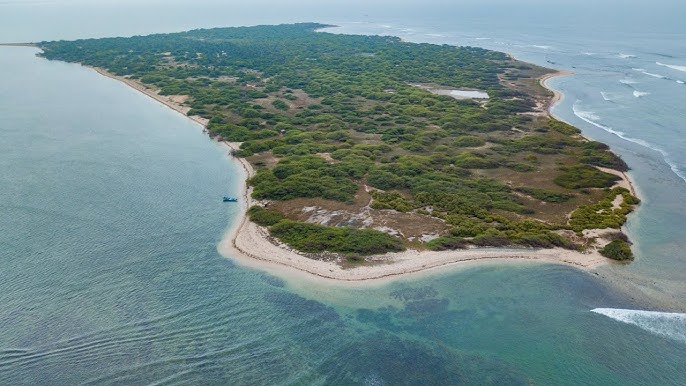
Beyond land recovery, the ecological gains have been remarkable. The artificial reefs quickly became home to marine life. Researchers recorded an average of 81 coral colonies on each reef module, showing rapid coral settlement and growth. These corals formed the base for a healthier reef ecosystem.
Fish populations responded strongly to this improved habitat. Fish density increased eight times, rising from 106 individuals per hectare to 875 individuals per hectare. This jump indicates not just survival but active reproduction and long term stability of marine species. For a region that depends heavily on fisheries, this recovery has far reaching implications.
The project also helped preserve 26 native plant species on the island. With stronger reef protection, calmer waters and improved sediment stability, these plants could thrive again. Together, healthier corals, more fish and stable vegetation point to a fully recovering ecosystem.
Economic Value of Nature Based Solutions
One of the strongest arguments for restoration comes from its economic performance. A detailed valuation found that the total benefits of the project reached ₹61.67 crore, while the inflation adjusted project cost was ₹26.37 crore. This resulted in a benefit cost ratio of 2.34, meaning every rupee invested generated more than two rupees in return.
The largest share of benefits came from mainland coastal protection, valued at ₹28.57 crore. By reducing wave energy and erosion, the restored reefs help shield nearby coastlines from storms and sea level impacts. This natural protection reduces the need for expensive concrete structures and repeated repairs.
Other regulating and supporting ecosystem services such as sediment trapping and nutrient cycling added around ₹13 crore. These invisible services play a crucial role in maintaining coastal health and productivity. Direct benefits from fisheries and epibenthic organisms contributed about ₹13.43 crore, strengthening local livelihoods and food security.
When combined, these figures clearly demonstrate the wide range of Vaan Island restoration benefits, covering ecology, economy and climate resilience.
A Model for the Gulf of Mannar
The success of Vaan Island has wider importance for the region. The Gulf of Mannar is home to 21 coral islands, many of which face erosion and submergence. Two islands have already gone underwater, raising concerns about the future of the remaining ones.
Officials now see the Vaan Island project as a blueprint for future action. Its results show that artificial reefs, when carefully planned and monitored, can restore islands and protect coastlines. Encouraged by this success, the Tamil Nadu government has launched a ₹50 crore restoration project for Kariyachalli Island, where artificial reef deployment is nearing completion.
This growing commitment signals a shift toward climate resilient coastal management. Instead of relying only on hard engineering solutions, authorities are embracing nature based approaches that work with ecosystems rather than against them.
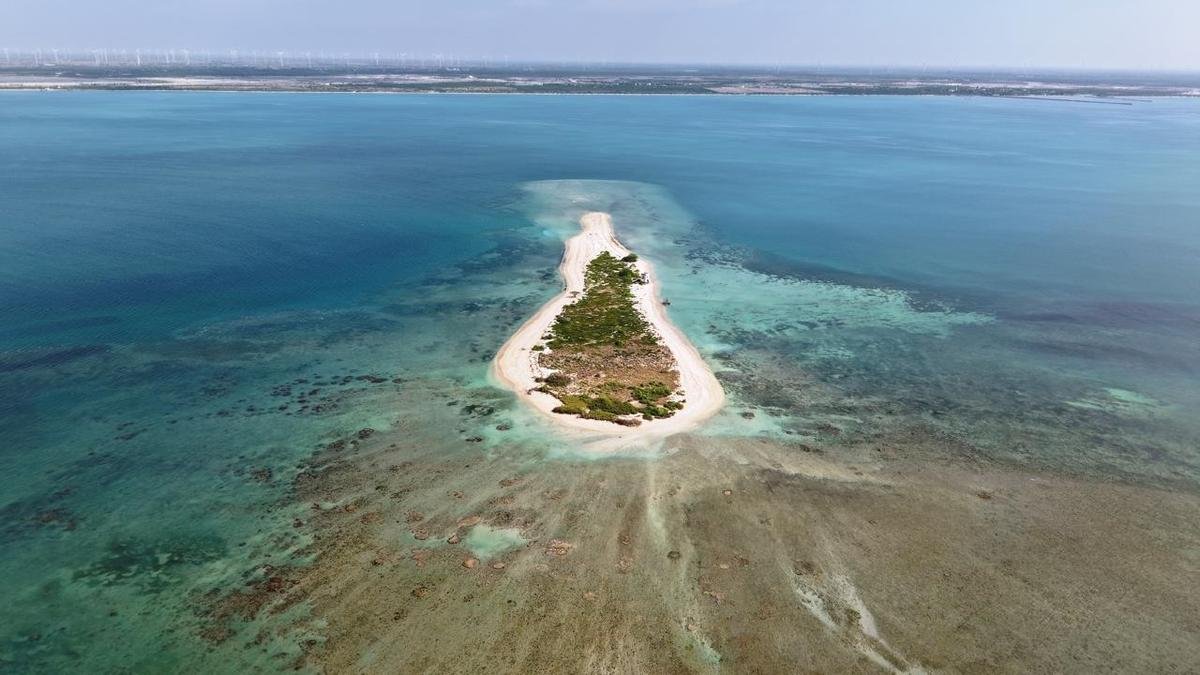
Why Vaan Island Matters Today
The story of Vaan Island is not just about one island. It reflects a broader lesson for coastal regions across India and beyond. As climate change intensifies sea level rise and storms, traditional solutions alone may not be enough. Projects like this show that restoring natural systems can deliver protection, biodiversity and economic value at the same time.
Vaan Island Restoration Benefits remind us that damaged ecosystems are not beyond hope. With science, patience and sustained investment, nature has the ability to recover and support human communities. This success strengthens confidence in restoration as a practical and profitable path for safeguarding vulnerable coastlines in the years ahead.