Waaree 16 GWh Battery Gigafactory: A Major Boost to India’s Clean Energy Manufacturing

The Waaree 16 GWh Battery Gigafactory marks a significant milestone in India’s journey towards clean energy, self-reliance, and advanced manufacturing. In a major push to strengthen domestic energy storage capabilities, Waaree Energies has committed to setting up the country’s largest integrated lithium-ion battery gigafactory at Rambilli in the Anakapalli district of Andhra Pradesh. With an investment of ₹8,175 crore and a planned production capacity of 16 gigawatt-hours, the project reflects India’s growing ambition to become a global hub for clean-energy technologies.
Thank you for reading this post, don't forget to subscribe!The greenfield facility has received in-principle approval from the State Investment Promotion Board, paving the way for one of the most important industrial projects in the country’s energy transition.
India’s Largest Integrated Battery Manufacturing Project
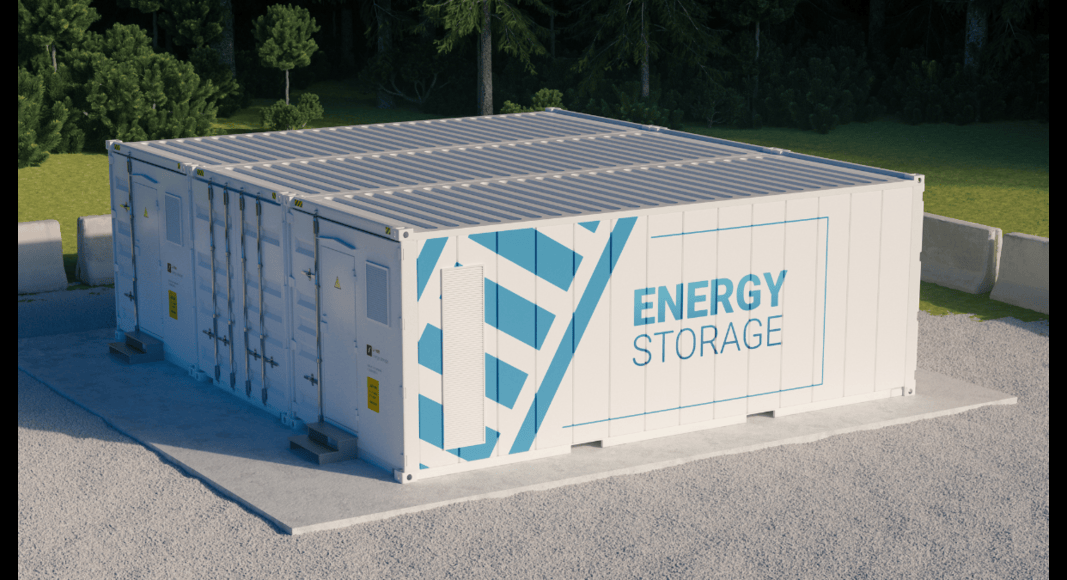
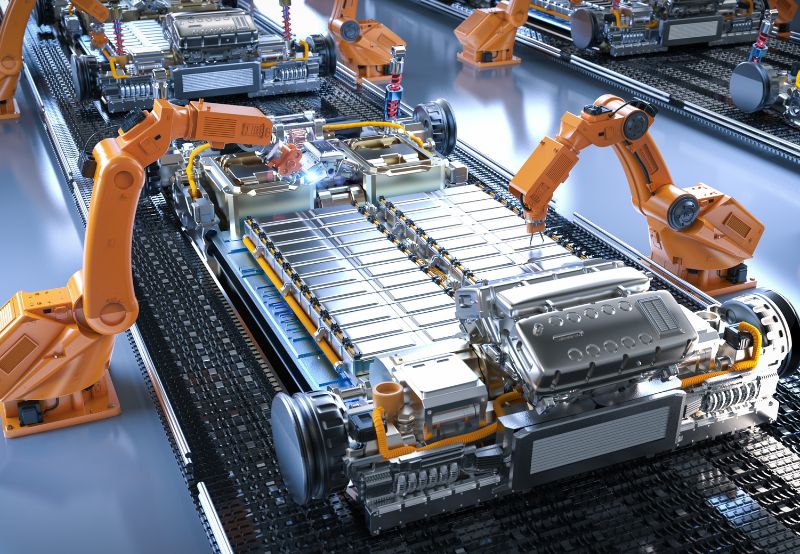
The proposed Waaree 16 GWh Battery Gigafactory is designed as a fully integrated facility covering the entire battery value chain. This includes lithium-ion cell manufacturing, battery pack assembly, and Battery Energy Storage Systems. Such integration is crucial because it allows higher domestic value addition and reduces dependence on imported battery cells and components.
With a capacity of 16 GWh, the plant will be the largest battery manufacturing facility in India. At present, much of the country’s battery demand is met through imports, especially from East Asian markets. By building large-scale domestic capacity, the project will help India move closer to energy security while supporting its clean-energy and electric mobility goals.

Andhra Pradesh Emerging as a Clean Energy Hub
The selection of Rambilli in Anakapalli district highlights the growing role of Andhra Pradesh in clean-energy manufacturing. The state has been actively promoting renewable energy, equipment manufacturing, and energy storage under its Integrated Clean Energy Policy.
The Waaree 16 GWh Battery Gigafactory adds a new dimension to this strategy by focusing on advanced battery technologies. With renewable power generation, solar module manufacturing, and now large-scale battery production, Andhra Pradesh is positioning itself as a complete clean-energy ecosystem.
Strong Government Support for the Project
Welcoming the investment, IT and HRD Minister Nara Lokesh described the project as a major milestone in the state’s clean-energy journey. He noted that the gigafactory aligns well with the government’s long-term vision of building a strong, integrated clean-energy value chain.
The state government’s proactive policy framework, infrastructure readiness, and investor-friendly approach have played a key role in attracting large investments in renewable energy and manufacturing. The battery gigafactory further strengthens this momentum.
Strategic Importance for India’s Energy Transition
Large-scale lithium-ion battery manufacturing is essential for India’s transition to clean energy. Solar and wind power are growing rapidly, but their intermittent nature creates challenges for grid stability. Battery Energy Storage Systems help store excess power and release it when demand is high, ensuring a reliable electricity supply.
The Waaree 16 GWh Battery Gigafactory will play a strategic role in supporting renewable energy integration, grid stability, and peak power management. It will also support India’s electric vehicle push by providing locally manufactured batteries, which are a critical component of EVs.
Economic Impact and Employment Generation
Beyond energy security, the project is expected to deliver significant economic benefits. Large manufacturing facilities of this scale generate direct and indirect employment across multiple skill levels. From engineers and technicians to logistics, construction, and support services, the gigafactory will create thousands of job opportunities.
The presence of such a major facility is also likely to attract ancillary industries, including component suppliers, recycling units, and technology service providers. This clustering effect can strengthen the industrial base of the region and boost local economic development.
Reducing Import Dependence and Strengthening Self-Reliance
India’s clean-energy ambitions depend heavily on access to affordable and reliable energy storage solutions. Currently, imported batteries add to costs and expose the country to global supply chain risks. The Waaree 16 GWh Battery Gigafactory is expected to reduce this dependence by building strong domestic manufacturing capabilities.
By producing cells, packs, and storage systems within the country, the project supports India’s broader goals of self-reliance and sustainable industrial growth. It also enhances the competitiveness of Indian renewable energy and electric mobility sectors in the global market.
A Step Towards a Sustainable Energy Future
The Waaree 16 GWh Battery Gigafactory represents more than just a manufacturing investment. It reflects a shift in India’s approach to clean energy, where generation, storage, and manufacturing are developed together. As the country accelerates its transition to renewable energy and electric mobility, such integrated projects will play a decisive role in shaping a resilient and sustainable energy future.