India UN Abstention on Ukraine Vote

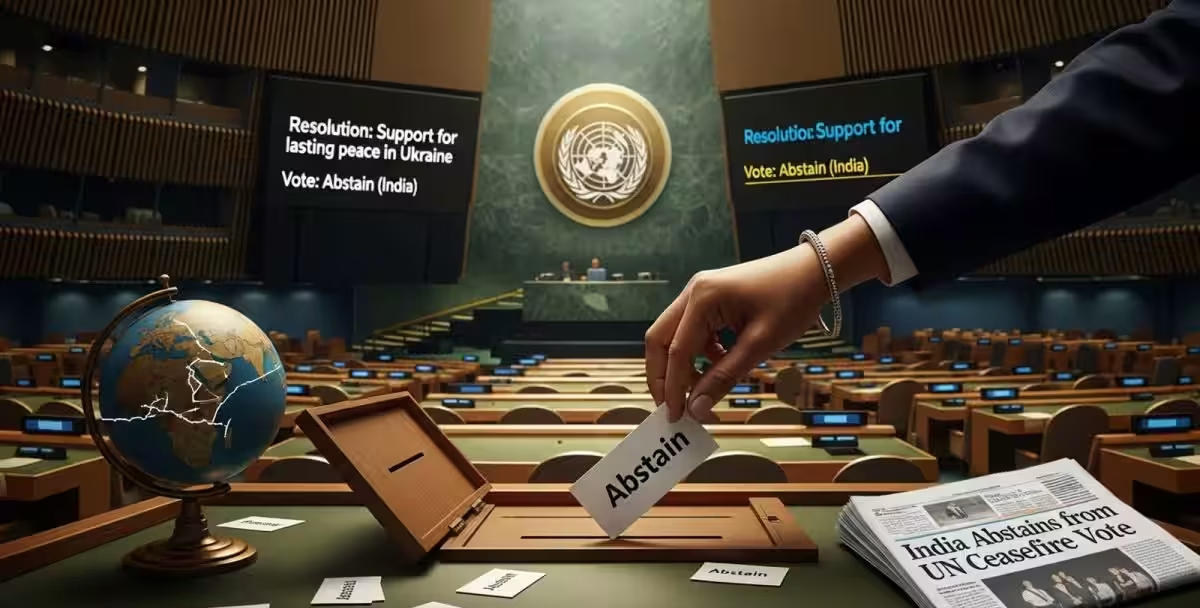
On the fourth anniversary of the Russia-Ukraine war, India UN Abstention became a major talking point at the global stage after India chose not to vote on a United Nations resolution demanding an immediate ceasefire. The decision reflects New Delhi’s cautious diplomatic approach as the conflict continues to reshape global politics, energy markets, and security alliances.
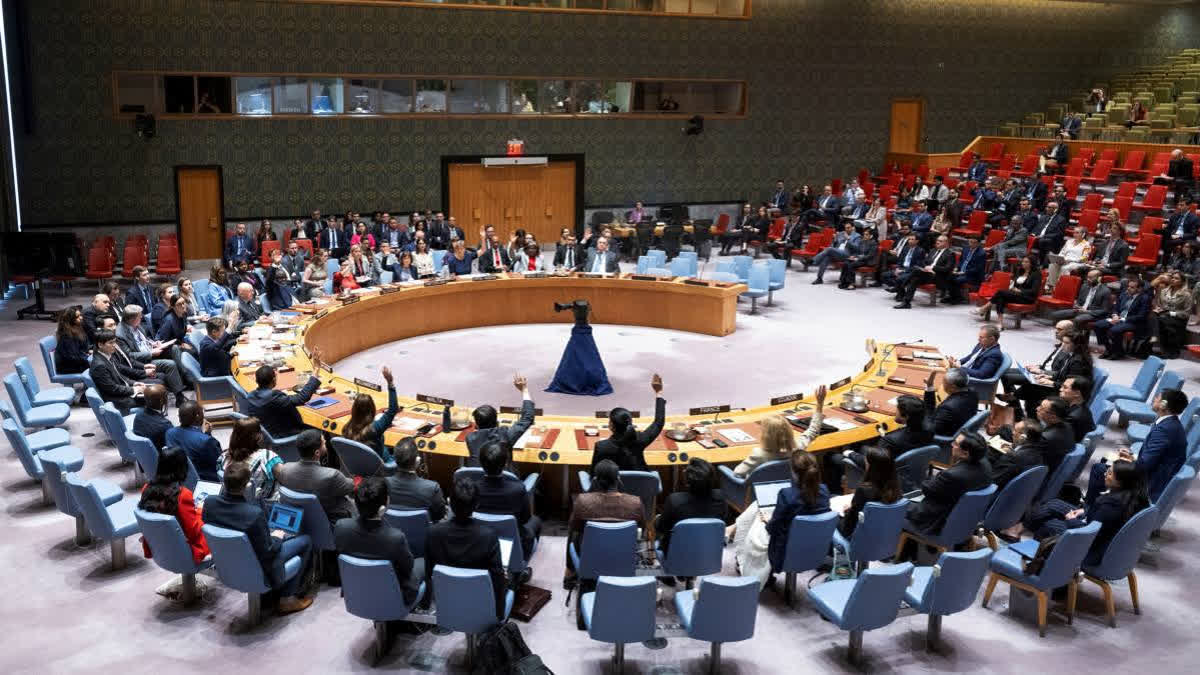
Thank you for reading this post, don't forget to subscribe!The vote took place at the United Nations General Assembly, where member countries debated a proposal calling for an unconditional halt to fighting between Russia and Ukraine. While a majority supported the resolution, India joined dozens of nations that chose to abstain rather than take sides.
The move highlights India’s effort to balance relations with multiple global powers at a time when geopolitical tensions remain high.
India UN Abstention and the Global Vote Outcome
During the session, the Assembly adopted the resolution titled “Support for lasting peace in Ukraine.” Out of 193 member states, 107 voted in favour, 12 opposed it, and 51 abstained. The numbers show that although many countries support a ceasefire, a significant portion of the world remains divided on how to address the conflict.
Countries that abstained included several emerging economies and regional powers. Their decisions were influenced by strategic interests, economic ties, and concerns about the broader impact of the war.
The resolution stressed respect for Ukraine’s sovereignty and territorial integrity, calling for peace based on international law. It also urged steps to ease humanitarian suffering caused by years of fighting.
For India, abstaining avoided direct alignment with either bloc while keeping diplomatic channels open with both sides.
India UN Abstention and Humanitarian Concerns
The proposal placed strong emphasis on the humanitarian consequences of the war. It called for the exchange of prisoners of war, release of detained civilians, and safe return of displaced people including children who were reportedly moved across borders during the conflict.
The Assembly expressed concern over continued attacks on cities, infrastructure, and energy systems. These strikes have caused power shortages, damaged hospitals, and disrupted daily life across Ukraine, especially during harsh winters.
India has repeatedly voiced concern about the humanitarian situation, sending relief supplies earlier in the conflict. However, New Delhi has also avoided actions that could escalate tensions or undermine its diplomatic flexibility.
The abstention reflects a view that peace negotiations, rather than resolutions alone, may be necessary to end the crisis.
India UN Abstention and Strategic Autonomy
India’s foreign policy is often guided by the principle of strategic autonomy maintaining independent decision-making without aligning completely with any major power bloc. The India UN Abstention decision fits within this framework.
New Delhi maintains long-standing defence ties with Russia while also strengthening partnerships with Western countries in trade, technology, and security. Taking a firm side could risk damaging one relationship or the other.
India has consistently called for dialogue and diplomacy as the only sustainable solution. Leaders have urged both sides to return to negotiations, emphasizing that today’s era should not be defined by war.
This balanced stance has allowed India to maintain communication with Moscow while cooperating closely with countries supporting Ukraine.
India UN Abstention Amid Changing Global Politics
The conflict has reshaped global alliances and economic flows. Energy prices, food supply chains, and defence spending patterns have all been affected. Many developing nations are particularly concerned about inflation and supply disruptions caused by prolonged fighting.
India itself has navigated these challenges by diversifying energy imports and strengthening domestic production. The government has also emphasized stability in global markets, as disruptions can directly affect developing economies.
Abstaining on the vote reflects awareness that the war’s consequences extend far beyond Europe. It is not only a security issue but also an economic and humanitarian one affecting millions worldwide.
India UN Abstention and Diplomatic Messaging
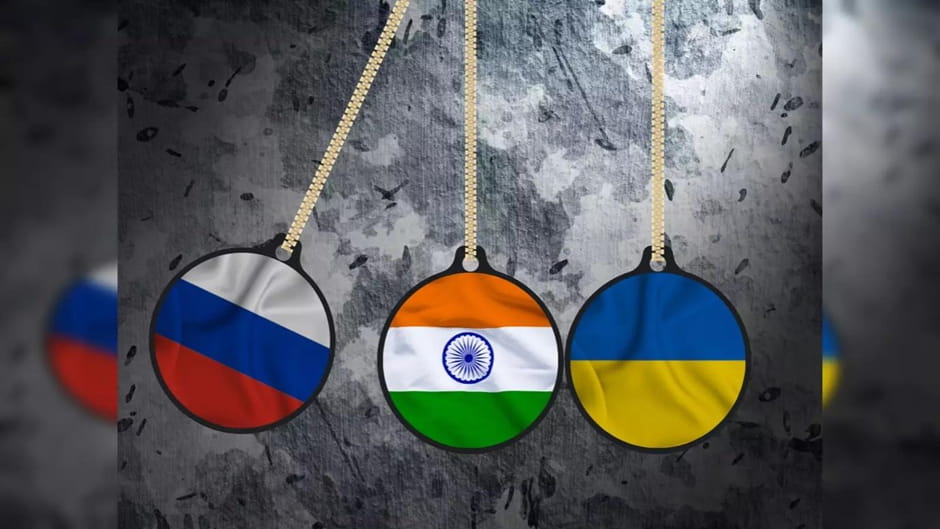
India’s decision sends a message that it supports peace efforts but prefers negotiations over symbolic votes. Abstention does not indicate indifference; rather, it signals a neutral position aimed at encouraging dialogue.
Over the past four years, India has used international forums to call for respect for sovereignty, cessation of violence, and humanitarian assistance. At the same time, it has avoided language that directly condemns either side.
This approach has allowed India to position itself as a potential bridge between opposing camps a country capable of engaging with both sides without being seen as partisan.
India UN Abstention and the Path Ahead
As the war enters another year, uncertainty continues to dominate global discussions. Military operations persist, peace talks remain fragile, and humanitarian needs keep growing.
The vote at the UN demonstrates that the international community is far from unified on how to end the conflict. While many nations support immediate ceasefire demands, others believe complex security concerns must be addressed first.
India’s abstention reflects this complexity. It underscores the difficulty of finding solutions acceptable to all parties while protecting national interests.
With global tensions rising in multiple regions, diplomatic balance has become increasingly important. Countries like India are likely to continue advocating dialogue, stability, and peaceful resolution without committing to one-sided positions.