




DRI Seizure of Pakistan-Origin Dry Dates

DRI Seizure of more than 362 metric tonnes of dry dates has taken place at a Container Freight Station (CFS) in Ambad, Nashik, after the Directorate of Revenue Intelligence found that the consignment was of Pakistan origin. The seizure was carried out on September 14, 2026, after officials examined the documents and movement details of the imported goods.
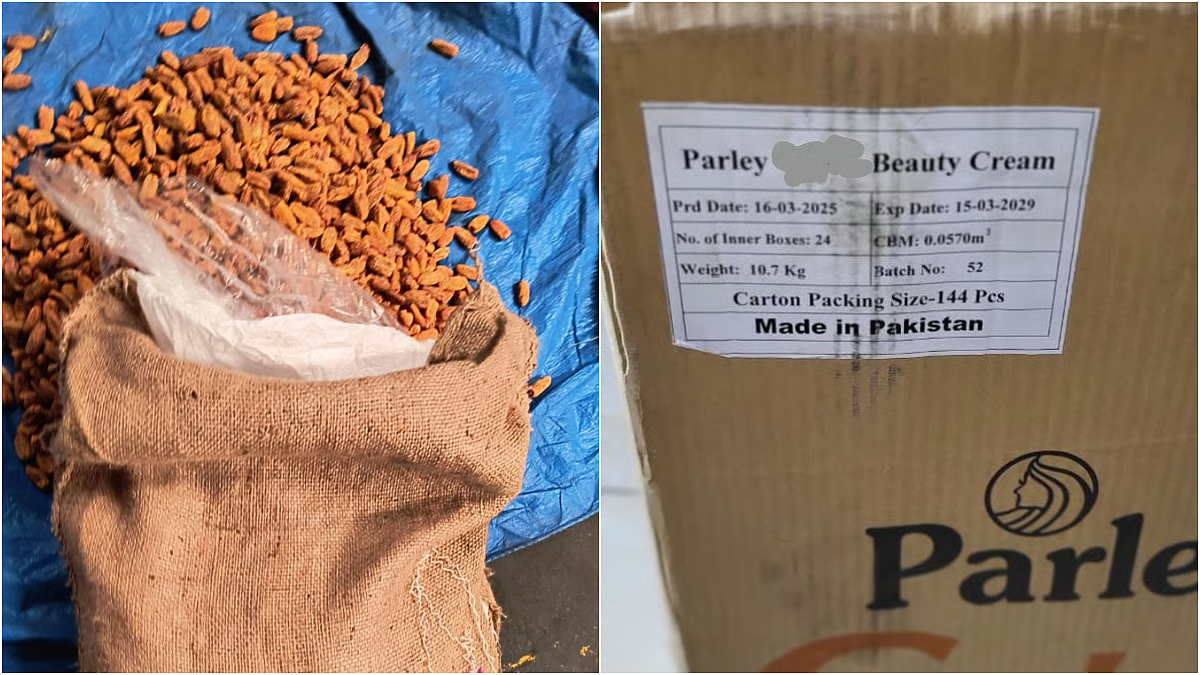
The consignment had been imported by a Mumbai-based company. However, the documents submitted for the shipment declared the United Arab Emirates (UAE) as the country of origin. Investigators found that the dry dates had originally come from Pakistan and had been routed through the UAE before being sent to India.

The case has drawn attention because India has restrictions on the import and transit of goods originating in or exported from Pakistan. The DRI is investigating the shipment under the country’s customs and import-control framework.
DRI Seizure at Nashik Container Freight Station
The latest DRI Seizure took place at a Container Freight Station in Ambad, Nashik, Maharashtra. A CFS is a customs-controlled facility where imported and exported cargo can be handled, examined and processed away from the main seaport.
DRI officers examined the containers after receiving intelligence about the shipment. The agency found more than 362 metric tonnes of dry dates whose actual origin was Pakistan.
The goods had been imported into India through a route involving a third country. Because the declared country of origin did not match the actual source of the goods, the consignment came under further investigation.
The seizure shows the importance of checking both cargo and supporting documents when imported goods pass through complicated international supply chains.
Dry Dates Routed Through the UAE
According to the investigation, the dry dates were originally shipped from Karachi Port in Pakistan to Jebel Ali Port in the UAE. From there, the goods were placed into different containers and vessels before being sent onward to India.
This type of movement is known as trans-shipment. In international trade, goods can pass through one country or port before reaching their final destination.
Trans-shipment itself is a normal part of global trade. However, the country of origin of goods remains important for customs purposes. If goods are produced in one country and simply moved through another country, the transit country does not automatically become the country of origin.
In this case, officials are examining whether the route was used to conceal the actual Pakistani origin of the dry dates.
Country of Origin Rules
The country of origin is used by customs authorities to determine where goods were produced or where they underwent substantial transformation. This information can affect tariffs, trade restrictions, import permissions and other customs requirements.
A false declaration of origin can become a serious customs issue when a particular country is subject to import restrictions.
The DRI investigation is therefore focused not only on the dry dates but also on the documents used for their import into India. Officials are expected to examine shipping records, invoices, container information and other trade documents to establish the complete movement of the consignment.
India’s Restrictions on Pakistan-Origin Goods
The DRI Seizure comes against the background of India’s restrictions on goods originating in or exported from Pakistan.
India imposed a complete prohibition on the direct or indirect import or transit of goods originating in or exported from Pakistan from May 2, 2025. The restriction was introduced on national security grounds following the Pahalgam terror attack.
The restriction covers more than goods transported directly from Pakistan to India. It also applies to indirect routes and transit arrangements in which Pakistan-origin goods are moved through a third country before reaching India.
This makes the declaration of the actual country of origin particularly important for customs authorities.
Operation Deep Manifest
The investigation is also linked to the DRI’s enforcement efforts under Operation Deep Manifest. The initiative focuses on attempts to bring Pakistan-origin goods into India through third countries.
Under such operations, intelligence inputs can be used to identify suspicious shipments. Officials can then examine trade documents, shipping routes and containers to determine whether the goods comply with Indian import rules.
The latest DRI Seizure highlights how customs authorities can track cargo even when it does not travel directly from the country where it was originally produced.
Third-country routing can make an investigation more complex because a shipment may have documents from several countries. Authorities therefore need to compare information from ports, shipping companies, importers and customs records.
Role of the Directorate of Revenue Intelligence
The Directorate of Revenue Intelligence (DRI) is India’s main intelligence and enforcement agency dealing with customs-related violations and smuggling. It works under the Department of Revenue, Ministry of Finance.
The agency gathers intelligence and takes action against activities such as smuggling, customs fraud, illegal imports and violations of import restrictions.
The DRI can investigate suspicious consignments and work with customs authorities and other agencies when required. Its work is especially important in cases involving international trade routes where the actual movement of goods may differ from what is shown in documents.
The Nashik case is another example of intelligence-led customs enforcement involving a large commercial shipment.
Why the Seizure Matters
The quantity involved in the DRI Seizure is significant, with more than 362 metric tonnes of dry dates found in the consignment. The case also highlights the importance of accurate documentation in international trade.
Importers are required to provide correct information about their goods, including details related to their origin. When the declared information does not match the findings of customs authorities, the shipment can face examination, seizure and further investigation.
The case also shows how trade restrictions can extend beyond direct routes. Using a third country for transportation does not necessarily remove restrictions that apply to goods from the original country.
Investigation Into the Consignment
Following the seizure, authorities are examining the complete supply chain of the dry dates. Investigators are likely to study how the goods moved from Pakistan to the UAE and then to India.
They may also examine the role of the importing company, the shipping documents and the declarations made to Indian customs.
The final findings will determine the nature of the violations, if any, and the action that may follow under applicable customs and import-control laws.
The DRI Seizure has therefore brought renewed attention to the monitoring of Pakistan-origin goods and the methods used by Indian enforcement agencies to identify shipments that may attempt to bypass import restrictions.