Dweep Shakti India Joint Readiness Boosts Island Defence Strength

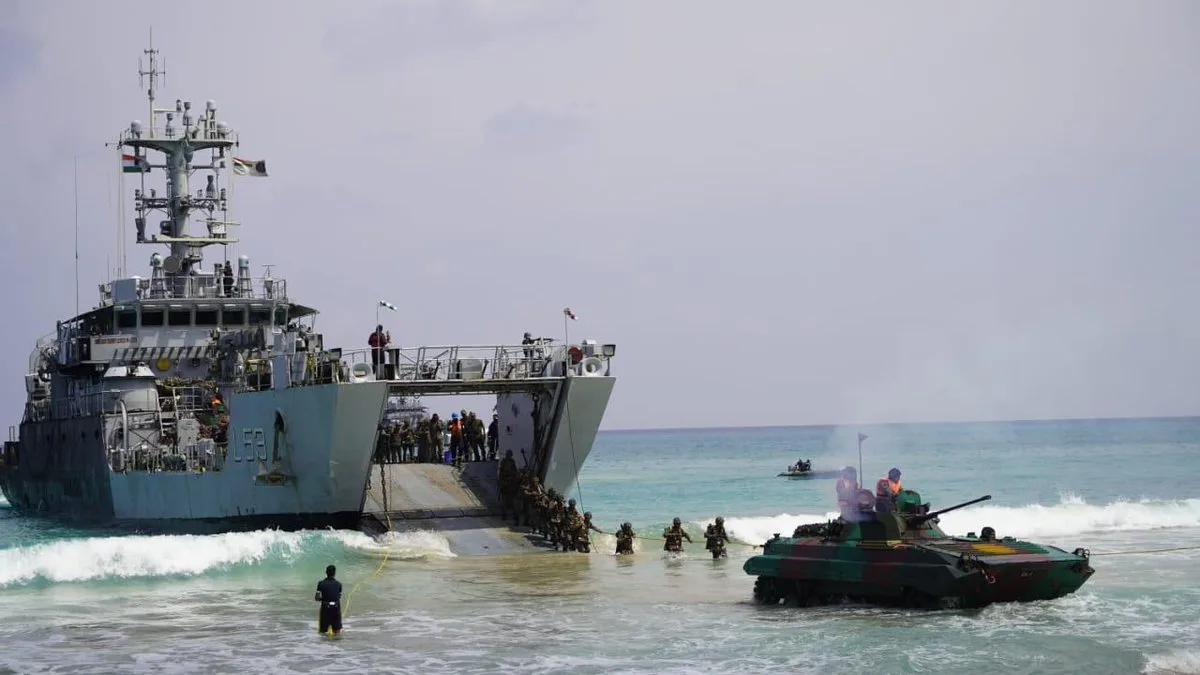
India recently conducted Exercise Dweep Shakti, a high-intensity tri-service drill from 24 to 28 March 2026. The exercise aimed to strengthen coastal and island defence capabilities. The Army, Navy and Air Force worked together in a coordinated way. It shows India’s growing focus on joint military operations and maritime security.
Thank you for reading this post, don't forget to subscribe!Key Operations in Dweep Shakti India Joint Readiness
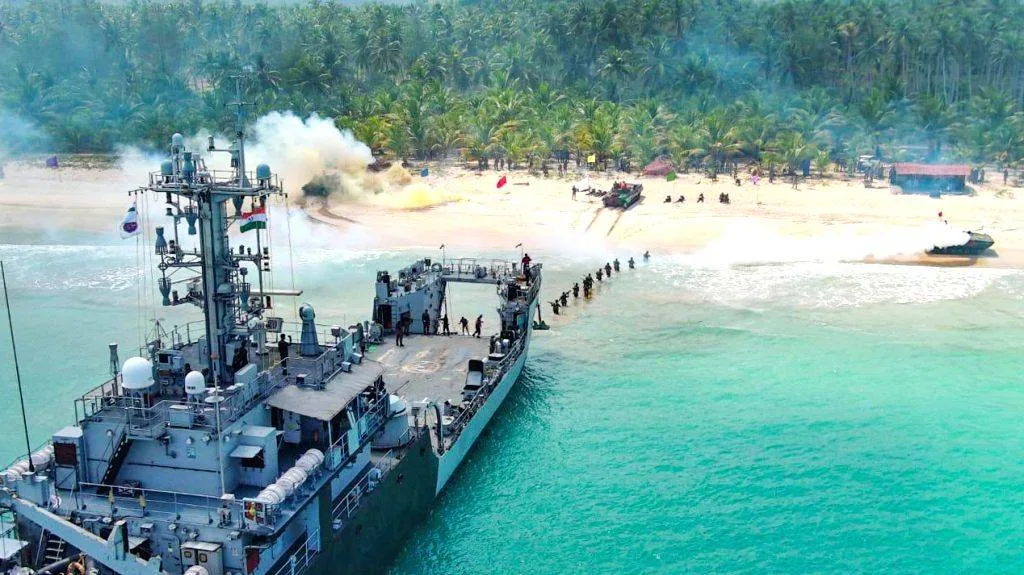
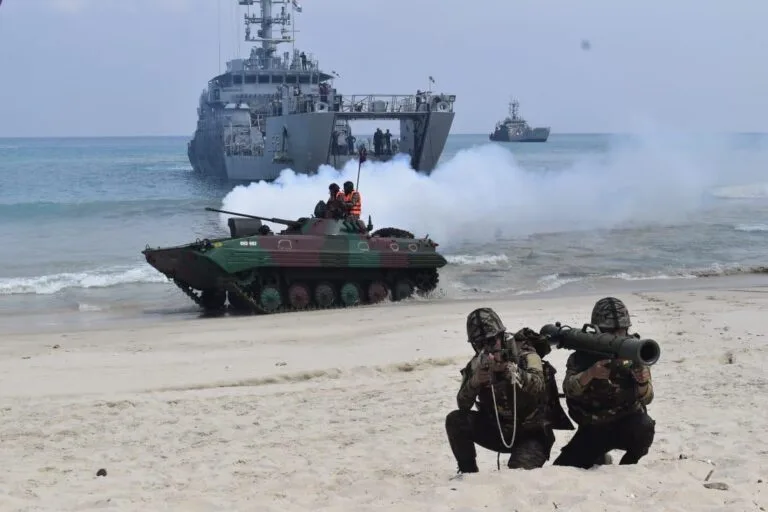
The exercise included amphibious assaults, maritime dominance missions and complex beach landing drills. These operations tested how well forces can land troops on hostile shores and take control quickly. Advanced drones and modern equipment were used for better surveillance and targeting. The drill showed strong coordination and real-time communication among all three services.
Strategic Importance of Island Region
The exercise took place in the Andaman and Nicobar region, which is very important for India’s defence. These islands are located near the Malacca Strait, one of the busiest shipping routes in the world. Controlling this area helps India protect its maritime interests and monitor key sea lanes. A strong presence here also increases security and deterrence.
Focus on Joint Warfare Capability
Dweep Shakti India Joint Readiness reflects India’s move towards integrated warfare. Modern conflicts require coordination across land, sea and air forces. This exercise helped improve joint planning, faster response and better execution in difficult situations. It also showed India’s ability to handle multi-domain operations, especially in coastal and island regions.
Key Highlights of the Exercise
The Andaman and Nicobar Command is India’s only tri-service command, making it highly important.
The Malacca Strait connects the Indian Ocean and Pacific Ocean, making it a global maritime chokepoint.
Amphibious warfare involves combined land, sea and air operations.
Maritime dominance helps in controlling important sea routes and strategic waters.
Impact on Maritime Security
Dweep Shakti India Joint Readiness highlights India’s commitment to protecting its maritime borders. It shows the importance of quick deployment, strong coordination and modern technology in defence. As regional challenges grow, such exercises improve readiness and strengthen India’s position as a maritime power.