Jungle Cat Decline Raises Conservation Concerns

Recent reports show a worrying Jungle Cat Decline across many regions. Scientists say this wild cat is losing its natural habitat due to farming expansion, wetland loss, and growing human activity. Even though the species is adaptable, it is now facing pressure in open landscapes where it usually lives.
Thank you for reading this post, don't forget to subscribe!About Jungle Cat
The Jungle Cat, scientifically known as Felis chaus, is a medium-sized wild cat also called the Swamp Cat or Reed Cat. It was first identified in the Caucasus region. It is the largest living species in the Felis group and is found across Asia and parts of Africa.
Physical Features and Behaviour
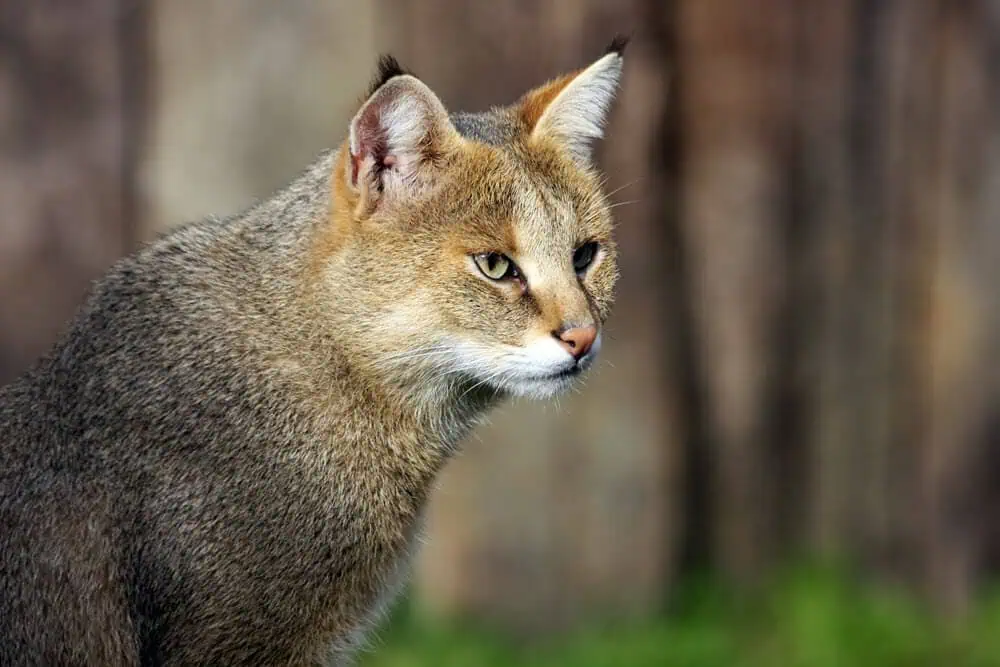
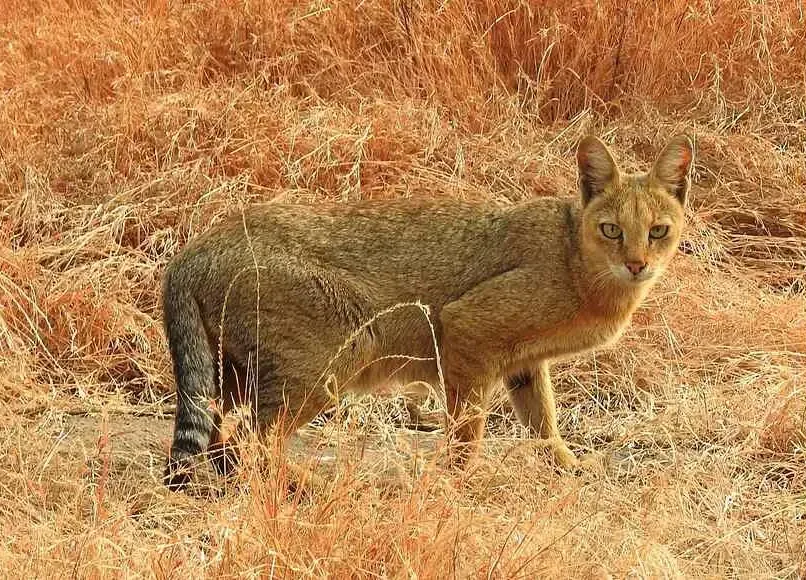
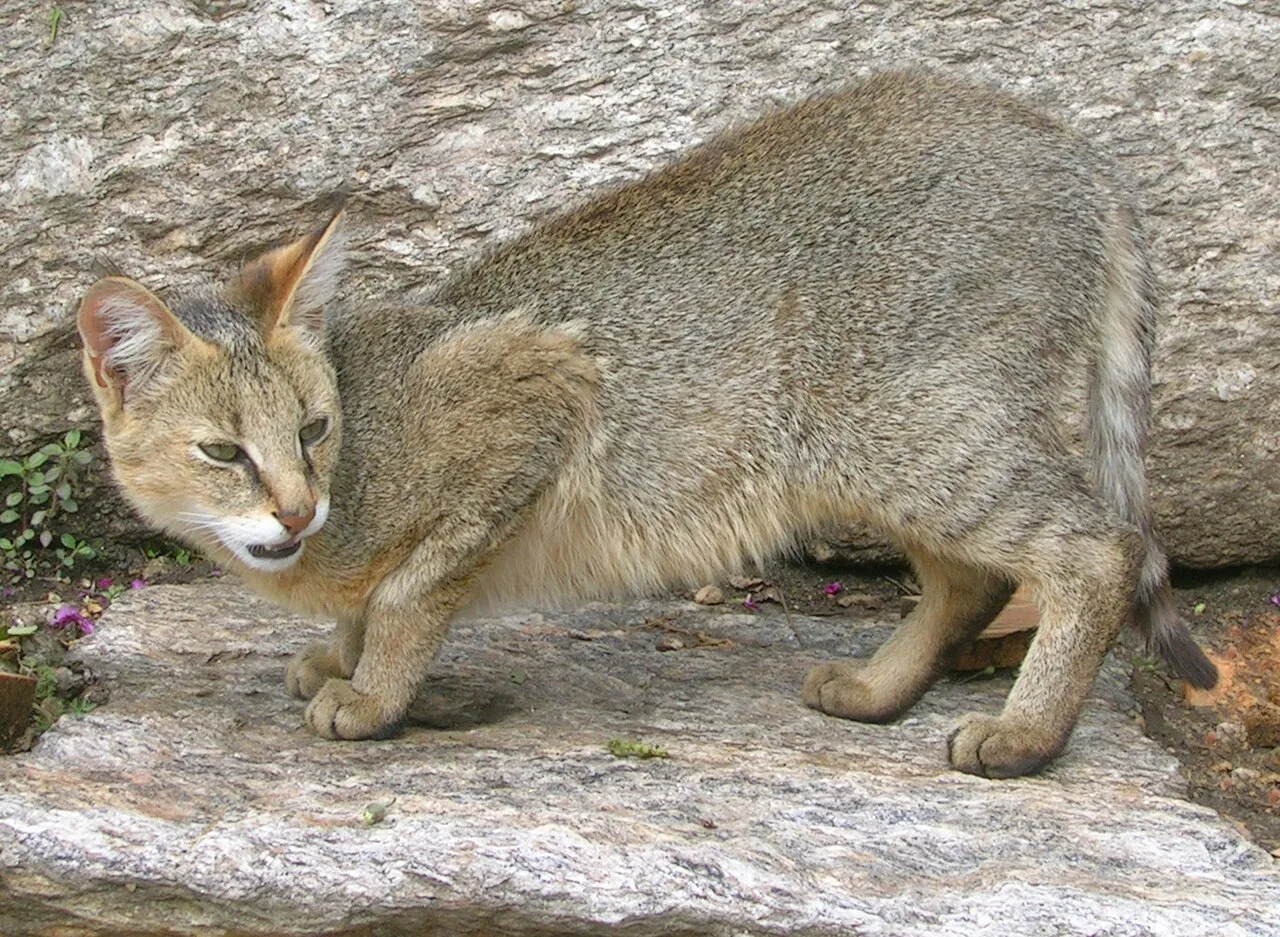
The Jungle Cat has long legs, a slim body, and large ears with black tips. It has yellow eyes and a white muzzle with light stripes on its legs. Females are smaller than males. Unlike many wild cats, it is active during early mornings and late afternoons. This helps it hunt better in open areas.
Habitat and Distribution
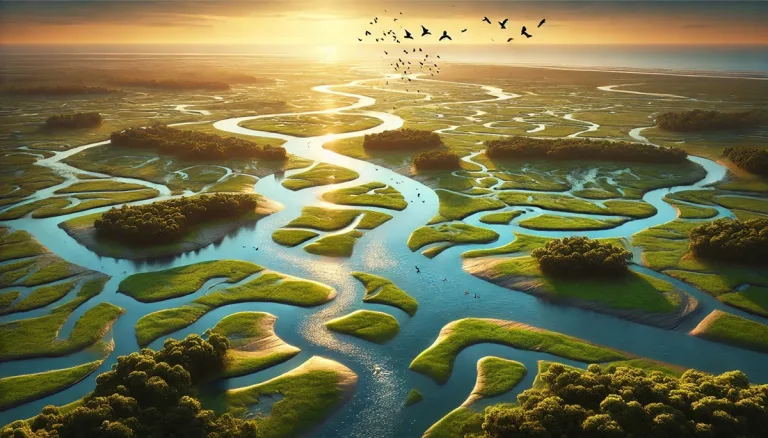
Jungle Cats live in grasslands, wetlands, scrublands, and semi-arid regions. They avoid dense forests and crowded cities. These cats prefer open lands and farming areas. They are commonly found in India and Nepal, and also in parts of Central Asia, Southeast Asia, Egypt, and southern China.
Key Facts About Jungle Cat
The scientific name of this species is Felis chaus. It is the largest among the existing Felis species. According to the International Union for Conservation of Nature, it is listed as Least Concern. In India, it is protected under the Wildlife Protection Act 1972.
Threats and Conservation Concerns
The ongoing Jungle Cat Decline is mainly caused by habitat loss, wetland destruction, and human expansion. Many Jungle Cats live outside protected forests, which makes them more vulnerable. Experts stress that conservation should not only focus on protected areas but also include village lands and farming regions. Protecting these open habitats is important to ensure the survival of this species.