


India E-Visa Adds 11 Ports

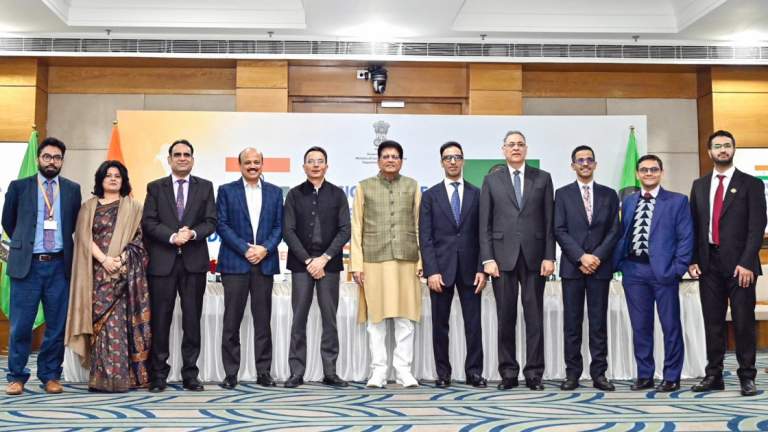
India E-Visa has been expanded with 11 additional international entry points for foreign nationals travelling to India with an electronic visa. The Ministry of Home Affairs notified the new entry points on 10 August 2026, increasing the total number of designated ports for e-visa holders to 88. The expansion includes airports and land ports and is expected to make international travel to different parts of India more convenient.
Thank you for reading this post, don't forget to subscribe!The latest decision adds two airports and nine land ports to India’s e-visa entry network. With more entry points now available, foreign visitors can enter India through a wider range of locations instead of depending only on major international gateways.
11 New Entry Points Added
The two newly added airports are Bhopal Airport in Madhya Pradesh and Tirupati Airport in Andhra Pradesh.
Nine land ports have also been included in the expanded network. These are Attari (Road), Agartala, Darranga, Gede, Ghojadanga, Haridaspur, Jaigaon, Dawki and Moreh.
These entry points connect India with neighbouring countries and important regional areas. Their inclusion in the e-visa system can make cross-border travel easier for eligible foreign visitors.
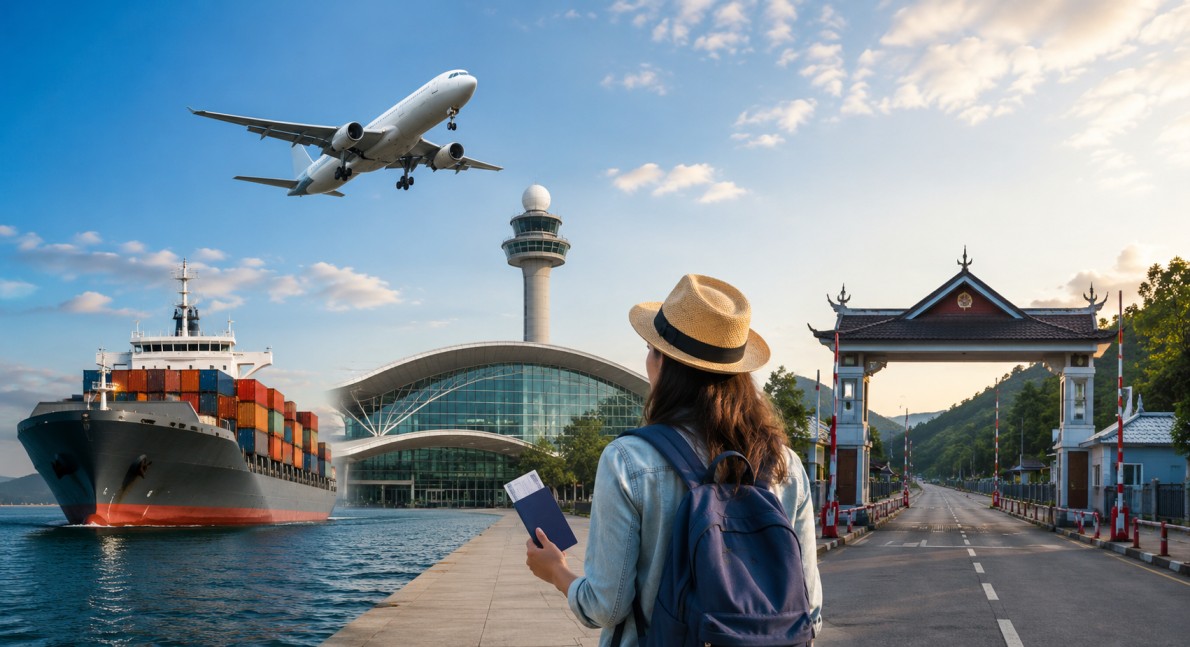
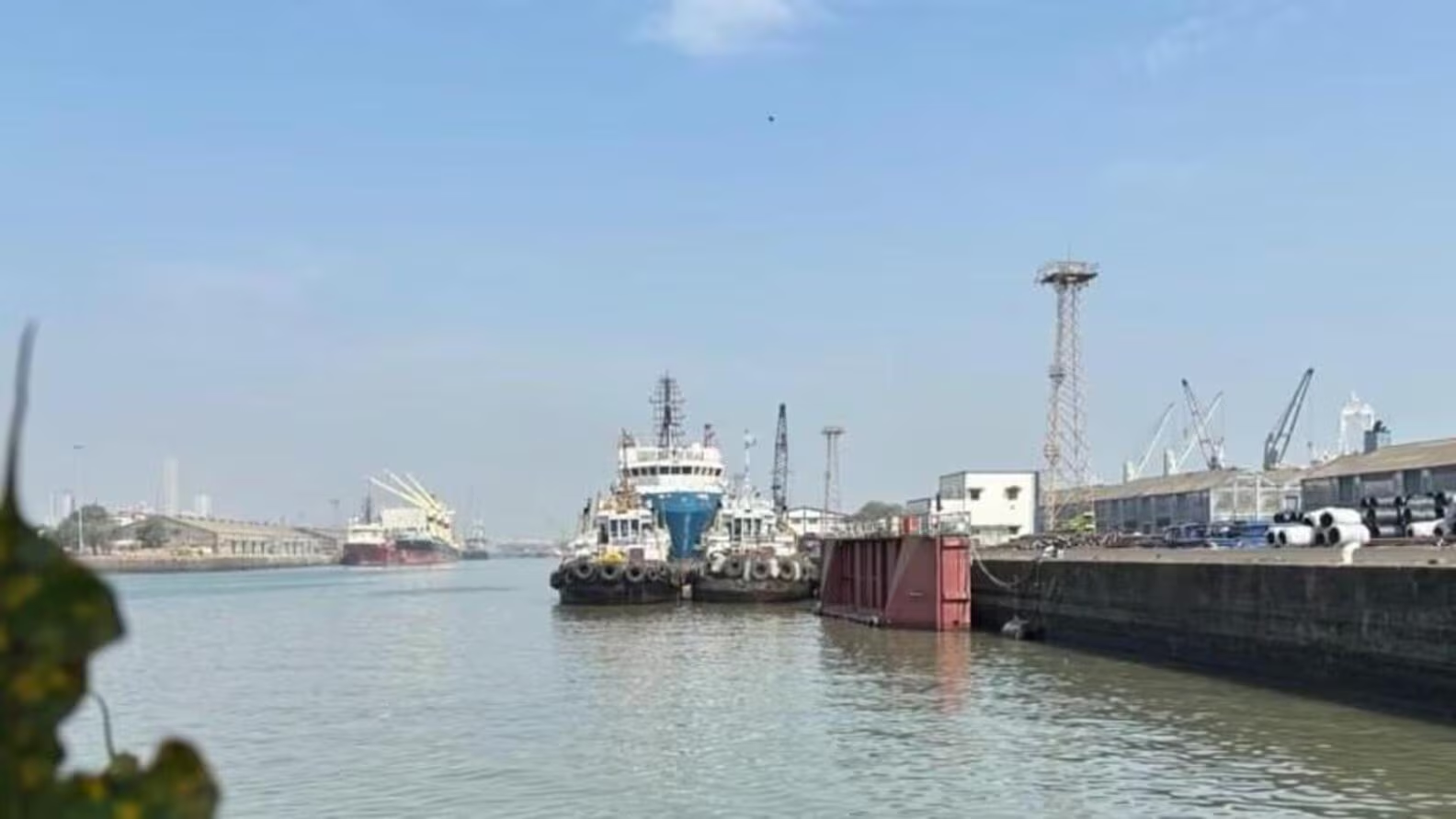
Following the latest expansion, India’s designated e-visa entry network now consists of 37 airports, 38 seaports and 13 land ports, taking the total to 88 entry points.
India E-Visa System Has Expanded
India introduced its e-visa facility in 2014, initially offering the service to citizens of 43 countries. Since then, the system has expanded considerably.
According to the information provided by the Ministry of Home Affairs, the e-visa facility is now available to citizens of 172 countries across 17 categories. These categories cover different purposes of travel, including tourism, business, medical visits, student travel and transit.
The digital visa system allows eligible travellers to complete much of the visa process online before travelling to India. This has reduced the need for visitors to depend entirely on traditional paper-based visa procedures.
Faster Processing of Applications
The growth of the e-visa system has also changed the way international visitors apply for permission to enter India.
The Ministry of Home Affairs has stated that around 95% of e-visa applications are processed within 72 hours. Electronic visas now account for approximately 78% of all visas issued by India.
The wider use of digital visas is part of the country’s broader move towards technology-based public services. Online visa processing can help reduce paperwork and provide travellers with a simpler application process.
Who Can Use the E-Visa Facility?
The e-visa system is available to citizens of countries included in India’s eligible-country list and is subject to the conditions of the particular visa category.
However, there are also restrictions. According to the government guidelines, people holding a Pakistani passport or people of Pakistani origin are not eligible for the Indian e-visa facility. They are required to apply for a regular visa through an Indian Mission.
The e-visa system is also different from regular visas issued through Indian embassies, high commissions and consulates.
Tourism Gets a Wider Entry Network
The expansion comes at a time when international travel to India continues to develop. India recorded around 4.344 million foreign tourist arrivals between January and June 2026.
Tourism is an important part of India’s service economy, supporting hotels, restaurants, transport services, local businesses and tourism-related employment.
Adding Bhopal and Tirupati to the e-visa airport network could make it easier for international visitors to reach destinations in central and southern India. The nine newly added land ports could also improve access for eligible travellers entering India through neighbouring countries.
More Regional Connectivity
The addition of land ports is particularly important because international visitors do not always enter India by air. Some travellers cross India’s land borders for tourism, business, cultural activities and other permitted purposes.
Ports such as Dawki, Moreh, Agartala and Jaigaon are located along India’s international borders and connect different parts of the country with neighbouring regions.
By expanding the e-visa network beyond major airports and seaports, India is creating a broader system for international entry.
Digital Travel Services Continue to Grow
The expansion of the e-visa network is part of India’s wider shift towards digital travel and government services. Online visa applications, electronic approvals and digital entry systems are increasingly being used to simplify international travel.
With 88 designated entry ports now available for e-visa holders, foreign visitors have more options when planning their journey to India. The addition of 11 new entry points also brings the e-visa system closer to more regional airports and land-border crossings across the country.