Gitchak Nakana Fish Found in Assam Groundwater Aquifer

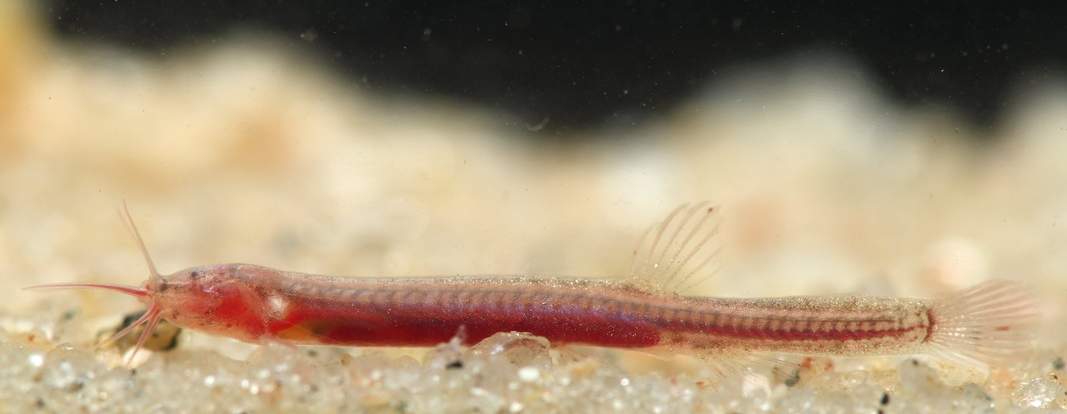
The discovery of Gitchak Nakana Fish Found in western Assam has surprised scientists and added a new chapter to underground biodiversity research. Researchers have identified a completely new genus and species of subterranean fish named Gitchak nakana from a dug out well located near the foothills of the Shillong Plateau close to the Brahmaputra Valley.
Thank you for reading this post, don't forget to subscribe!The scientific study describing the species was published in the journal Scientific Reports, which is part of the Nature Portfolio. The discovery is considered important because it is the first aquifer dwelling fish recorded from Northeast India.
The research team was led by Ralf Britz from Senckenberg Naturhistorische Sammlungen Dresden. The work was carried out in collaboration with Wimarithy K. Marak of Assam Don Bosco University and several other scientists from India and abroad.
A Fish Living in Underground Water
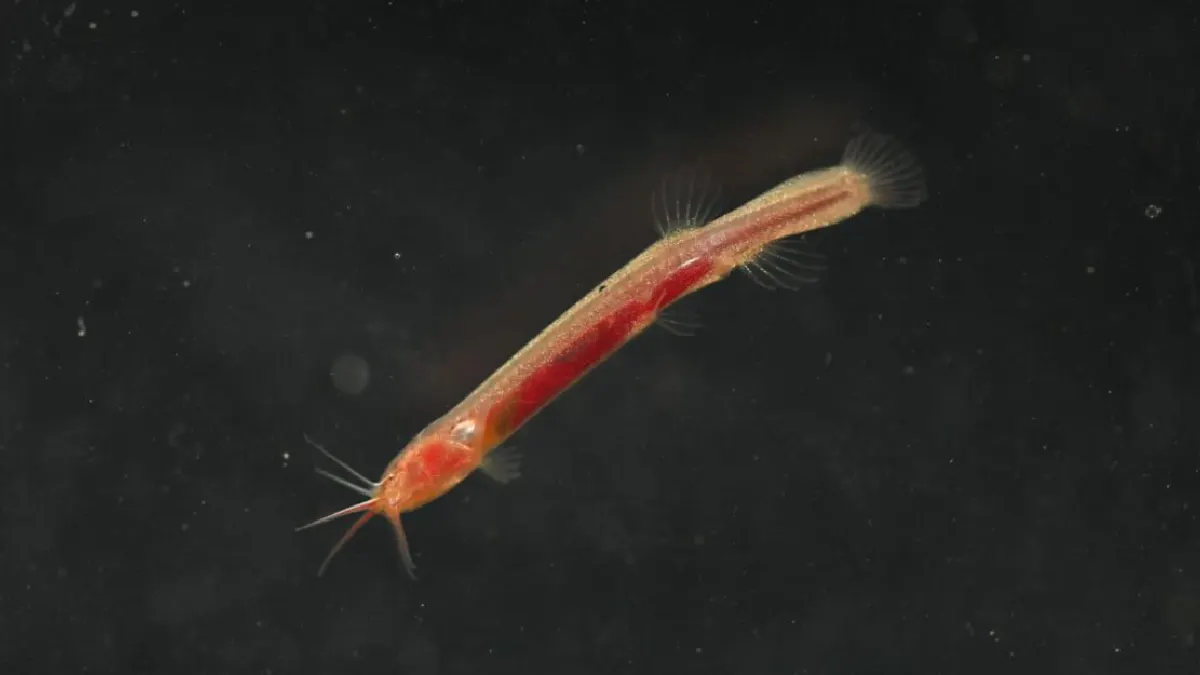
The fish was collected three different times from the same well in a village near the plateau. Scientists confirmed that the species lives inside a groundwater aquifer. This type of habitat is extremely rare for fish. Globally, fewer than ten percent of known subterranean fishes live in aquifers rather than caves.
Because the fish lives in total darkness underground, it has developed unique features that help it survive in such conditions.
Gitchak Nakana Fish Found With Strange Physical Features
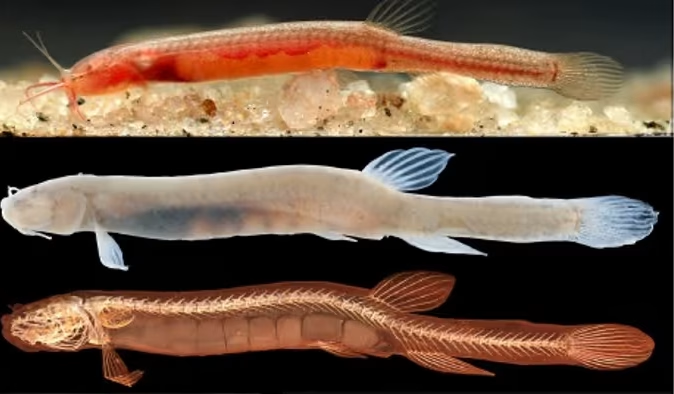
Gitchak nakana is a tiny cobitid loach with very unusual characteristics. The fish has no eyes and no body pigment, giving it a pale appearance. These changes are known as troglomorphic adaptations, which often appear in animals living in dark underground environments.
One of the most remarkable features of this species is the absence of a skull roof. Instead of bone protecting the brain from above, the brain is covered only by skin. This feature has never been recorded in other cobitid loach species, making it scientifically very significant.
Because of these unique anatomical traits, scientists classified it as a completely new genus and species.
Importance for Subterranean Biodiversity
More than 300 fish species around the world are known to live underground, but most of them are cave dwellers. The Shillong Plateau region already hosts underground fish such as species of Schistura and the large subterranean fish Neolissochilus pnar.
However, Gitchak nakana is the first fish discovered in the groundwater aquifer system of this region. The finding shows that underground ecosystems in Northeast India may contain many unknown species.
Scientists believe this discovery highlights the need to study and protect groundwater habitats. These fragile ecosystems are often overlooked but may hold many hidden forms of life that science has not yet documented.