India EU Strategic Engagement Deepens With Ursula Visit

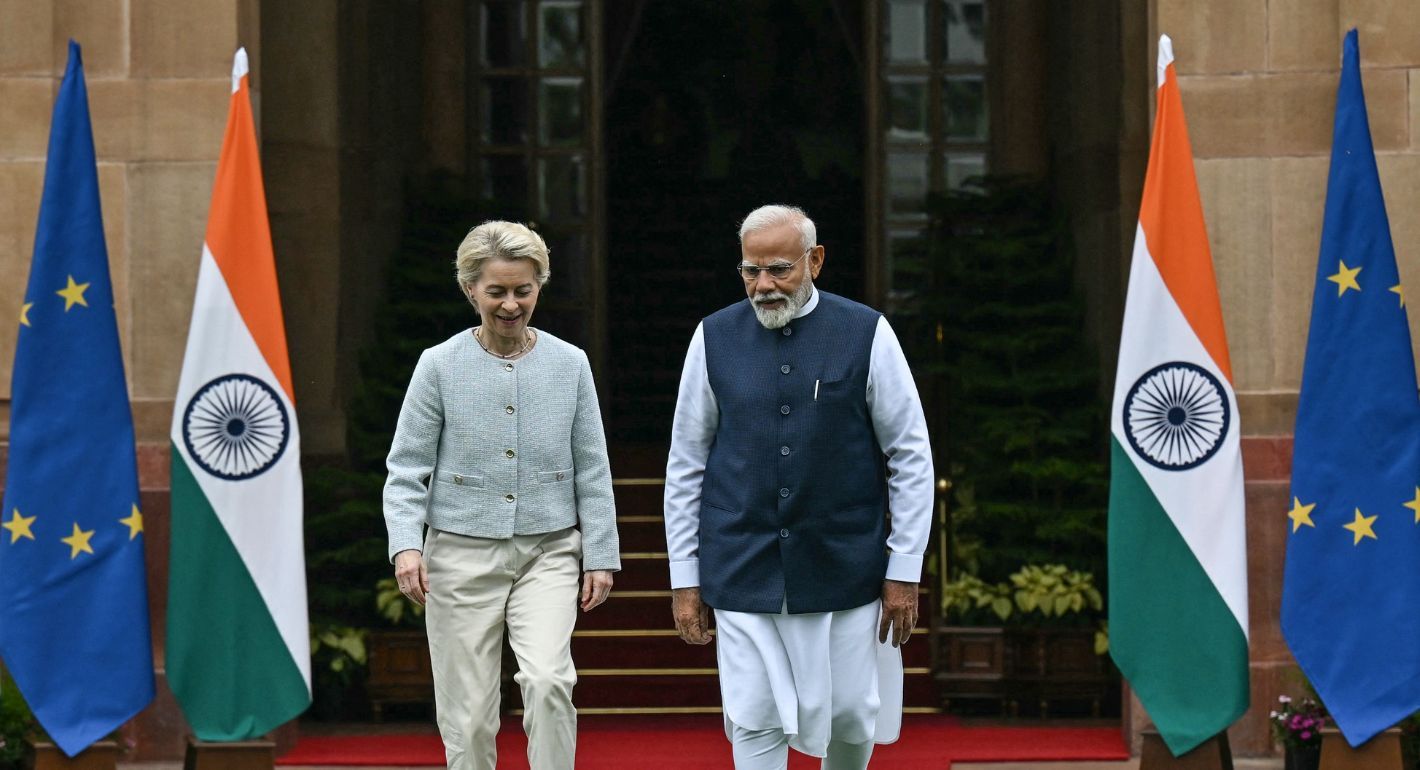
India EU Strategic Engagement entered a stronger phase as European Commission President Ursula von der Leyen arrived in New Delhi for a four-day official visit. The visit comes at a time when both India and the European Union are rethinking their global roles, economic strategies and long-term partnerships. With changing world politics, shifting trade routes and rising global uncertainty, the visit is being seen as an important step in strengthening cooperation between the two sides.
Thank you for reading this post, don't forget to subscribe!Her visit focuses on deepening ties in trade, defence, mobility, technology and global governance, reflecting a growing understanding that India and the EU need each other as long-term partners in a rapidly changing world.
India EU Strategic Engagement and High-Level Political Dialogue
Ursula von der Leyen’s visit takes place just ahead of the India–EU Summit scheduled in New Delhi. She is expected to hold talks with Prime Minister Narendra Modi, along with European Council President Antonio Costa. Both EU leaders are also attending India’s Republic Day celebrations as chief guests, highlighting the political importance of the relationship.
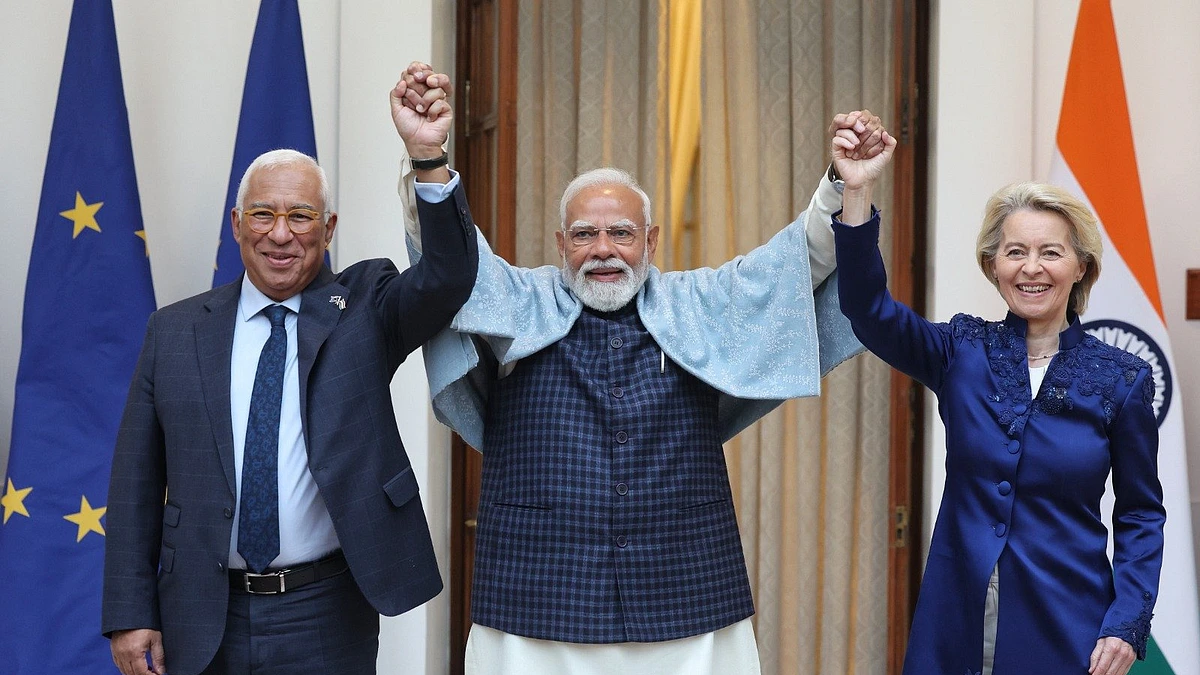
This level of diplomatic presence shows that the partnership is no longer limited to trade talks or formal agreements. It reflects a deeper political trust and a shared interest in shaping global rules and institutions together.
India EU Strategic Engagement and the Free Trade Agreement Push
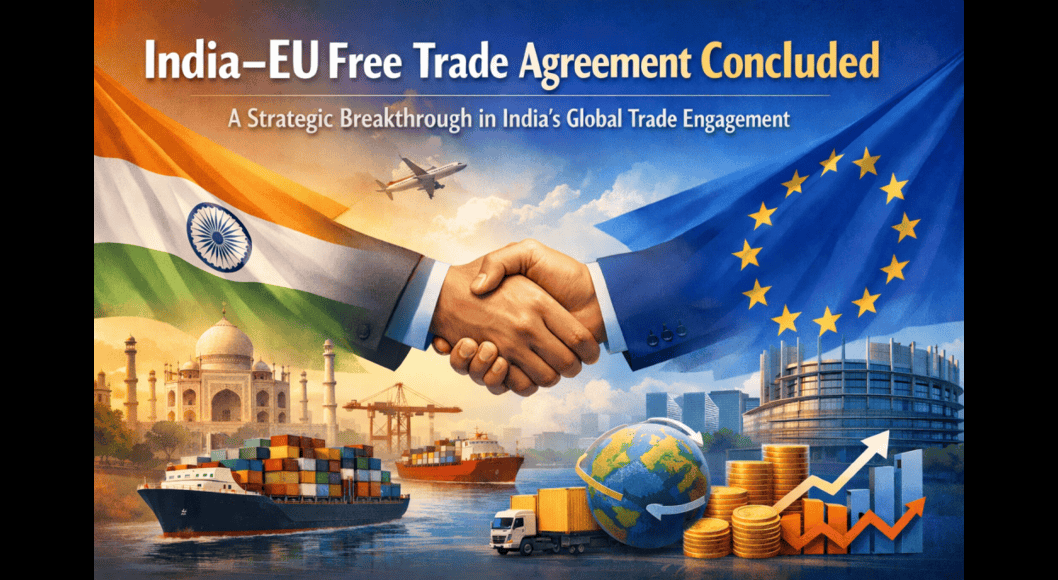
One of the most important discussions during this visit is linked to the long-pending India–EU Free Trade Agreement (FTA). The agreement has been under negotiation for several years, and both sides are now moving closer to finalising it.
The FTA is expected to improve market access, reduce trade barriers and strengthen supply chains between India and Europe. It also aims to make business easier for companies on both sides by creating stable trade rules.
The European Union is already India’s largest trading partner in goods, and trade between the two has grown steadily in recent years. This growing economic link shows how connected the two economies have become, making cooperation not just beneficial but necessary.
India EU Strategic Engagement in a Changing Global Economy
The global economy is going through major shifts. Supply chains are being redesigned, countries are reducing dependence on single markets, and new trade routes are emerging. In this context, India and the EU are looking at each other as reliable and stable partners.
For Europe, India represents a large market, a growing economy and a strong manufacturing base. For India, Europe offers advanced technology, investment opportunities and access to high-value markets. This balance makes the partnership strategic rather than transactional.
The visit reflects this new thinking, where cooperation is not just about profit, but about long-term stability and shared growth.
India EU Strategic Engagement and Defence Cooperation
Beyond trade, defence has become a major focus area. Talks are expected to move forward on a strategic defence partnership, covering defence manufacturing, technology sharing and maritime security.
With rising security challenges in the Indo-Pacific and changing global power structures, India and the EU are finding common ground on stability and security. Cooperation in defence production and technology development can strengthen both sides while reducing dependence on external suppliers.
Maritime security is also becoming a shared priority, especially with growing concerns about trade routes, sea lanes and regional stability.
India EU Strategic Engagement and Skilled Mobility
Another key area of discussion is mobility and legal migration. Both sides are working on a framework to support the movement of skilled professionals, students and officials.
Europe faces skill shortages in many sectors, while India has a large skilled workforce looking for global opportunities. A structured mobility system can benefit both sides Europe gets skilled workers, and India gains global exposure and employment opportunities for its people.
This approach moves beyond traditional migration debates and focuses on mutual benefit and cooperation, rather than restriction and control.
India EU Strategic Engagement and Shared Global Challenges
The partnership is also expanding into areas like climate action, digital governance, green energy and technology regulation. Both India and the EU are active players in global discussions on sustainability and climate responsibility.
With climate risks increasing worldwide, cooperation on clean energy, climate finance and sustainable development has become essential. The visit strengthens collaboration in these areas, showing that the partnership goes beyond economics and security.
India EU Strategic Engagement and Democratic Values
Officials have described the visit as part of a long-term effort to shape the future of the India–EU relationship. The partnership is rooted in shared democratic values, mutual respect and political trust.
In a world where global institutions are under stress and alliances are shifting, partnerships based on trust and shared principles are becoming more important. India and the EU are positioning their relationship as one that supports stability, dialogue and cooperation at the global level.
India EU Strategic Engagement and a Forward-Looking Vision
This visit is not just about agreements or announcements. It reflects a broader shift in how India and Europe see each other not as distant partners, but as strategic allies in shaping the future global order.
From trade and defence to technology and climate action, the relationship is becoming multi-dimensional. The focus is on long-term cooperation rather than short-term gains.
India EU Strategic Engagement now stands as a key pillar of both sides’ foreign policy vision, showing how diplomacy, economic partnership and shared responsibility can come together in a rapidly changing world.