



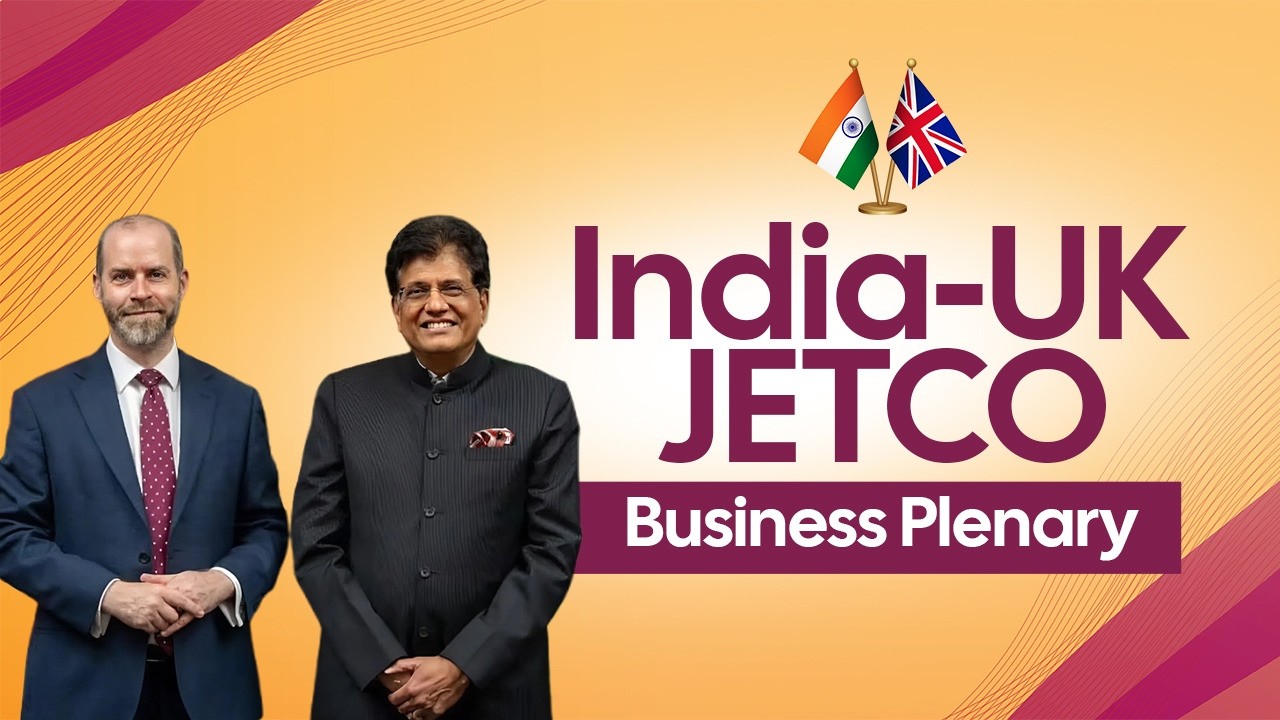
India-UK JETCO Deals Top £1 Billion

India-UK JETCO Deals worth more than £1 billion were announced by British companies during the 16th meeting of the India-UK Joint Economic and Trade Committee (JETCO), held in New Delhi on 12 October 2026. The announcements are expected to strengthen business relations between India and the United Kingdom and create new opportunities in areas such as aviation, artificial intelligence (AI), healthcare, advanced communications and engineering.
The meeting was co-chaired by Union Minister Piyush Goyal and UK Secretary of State for Business, Innovation, Science and Trade Jonathan Reynolds. It brought together government representatives and business leaders to discuss trade, investment and ways to improve access to each other’s markets.

India-UK JETCO Deals Strengthen Business Relations
The Joint Economic and Trade Committee is a bilateral forum where India and the United Kingdom discuss economic and trade matters. Its meetings provide an opportunity for both countries to review business opportunities, address trade-related concerns and encourage investment.
The 16th JETCO meeting took place as both countries worked to expand their economic partnership following the India-UK Free Trade Agreement. British companies announced new commercial deals worth more than £1 billion, covering several important industries.
The UK delegation included more than 100 businesses and seven mayors from northern England. The delegation’s programme included visits to New Delhi and Mumbai, two major centres for business and investment. These visits aimed to develop partnerships and help British businesses explore opportunities in the Indian market.
The discussions also highlighted the importance of cooperation between companies, governments and regional business groups. Such partnerships can support investment, create jobs and help businesses reach new customers.
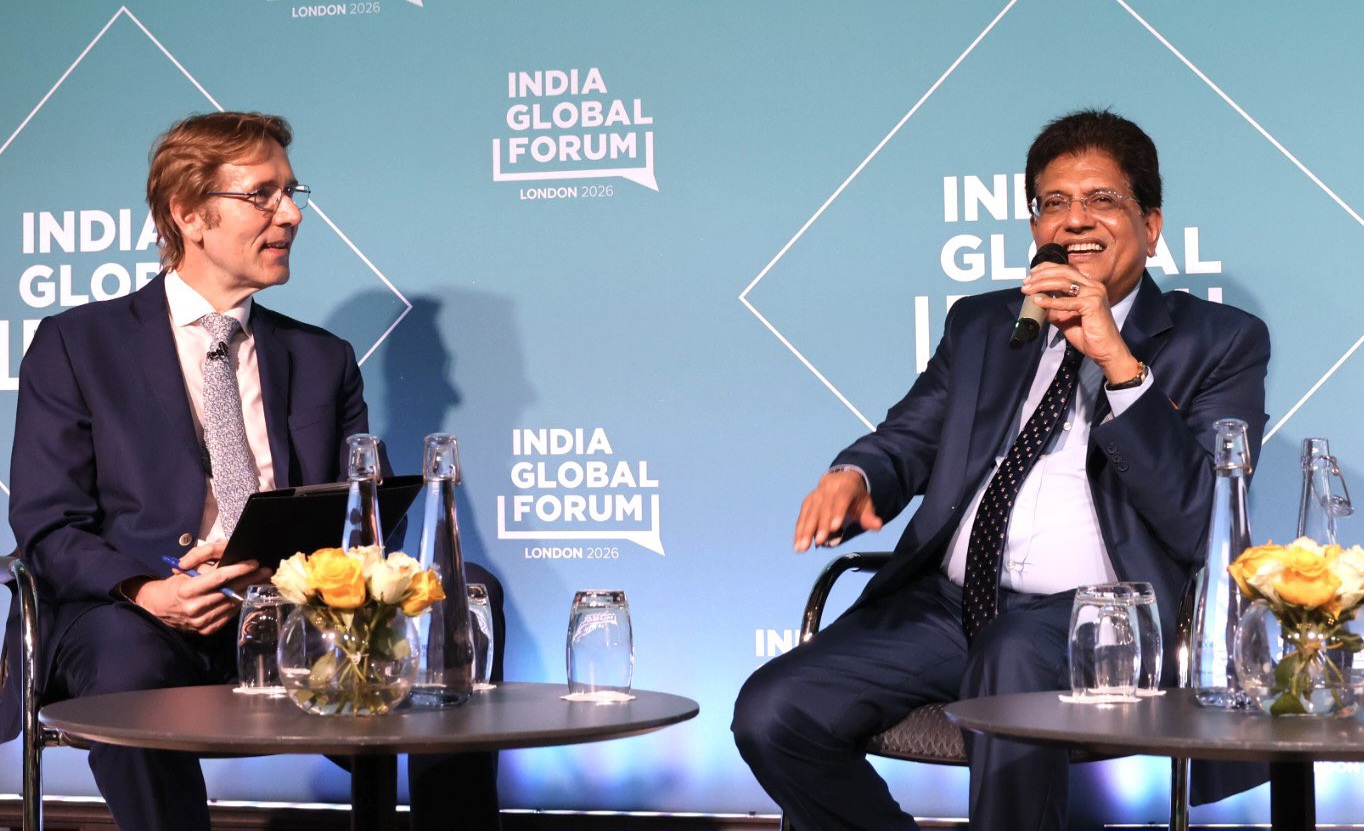
Major Sectors Covered by the Commercial Deals
The new announcements cover industries that play an important role in modern economic development. Aviation services, artificial intelligence, healthcare, advanced communications and engineering were among the main sectors involved.
These industries offer opportunities for technology sharing, business expansion and skilled employment. India provides a large market for international companies, while British businesses can bring investment, technical knowledge and specialised services.
The deals are expected to support thousands of jobs across India and the UK. However, the final employment impact will depend on how the announced projects and business plans are implemented.
Artificial Intelligence Investment
Artificial intelligence was one of the key areas highlighted during the meeting. Meta for Data Technologies committed £50 million to fund AI research in the United Kingdom.
AI is increasingly used in areas such as healthcare, manufacturing, communication, transport and data analysis. Investment in research can help develop new technologies, improve business operations and create opportunities for skilled workers.
Cooperation in AI may also open new possibilities for businesses in both countries. Research partnerships and technology development can help companies respond to changing business needs and compete in international markets.
Aviation Services Expansion
Menzies Aviation plans to generate more than £600 million in revenue through an expanded presence in India. The announcement highlights the potential of India’s aviation services market as air travel and airport-related business activities develop.
Aviation services include activities that support airline and airport operations, such as ground handling and other airport services. Expansion in this sector can create demand for workers and suppliers and increase business activity around airports.
The planned expansion also reflects the commercial opportunities available to international service providers in India’s growing market.
Healthcare, Communications and Engineering
Healthcare, advanced communications and engineering were also included in the announced commercial deals. These sectors are important for improving services, developing infrastructure and supporting industrial growth.
Healthcare cooperation may create opportunities for companies to expand services and introduce new technologies. Advanced communications can support faster and more reliable connections, while engineering businesses can contribute to industrial projects and technical development.
The announcements cover different industries, showing that India-UK business cooperation extends beyond traditional trade in goods.
India-UK Trade Deals Reach Nearly £12 Billion
The new commercial announcements add to the value of deals announced since the signing of the India-UK Free Trade Agreement in July 2025. According to the supplied report, the total value of these deals has reached nearly £12 billion.
The growing value of announced deals reflects efforts to expand economic links between the two countries. Businesses can benefit from improved market access, stronger commercial partnerships and opportunities to serve customers in new markets.
The UK delegation also included food and drink businesses. Scottish firms identified opportunities to increase exports of products such as salmon and whisky to India.
Food and drink trade can create opportunities for producers, exporters, distributors and retailers. Better access to overseas markets can help businesses reach more customers, although actual export growth depends on demand, prices and applicable trade rules.
India-UK Free Trade Agreement and Its Economic Impact
A Free Trade Agreement (FTA) is an arrangement between countries to reduce or remove selected trade barriers. These barriers may include tariffs, which are taxes imposed on imported goods. FTAs can make trade easier by setting agreed rules for businesses and improving access to markets.
The India-UK Free Trade Agreement was signed in July 2025. The agreement is projected to increase bilateral trade by £25.5 billion annually by 2040.
This projection represents the expected additional value of trade each year by that date, rather than an immediate increase. The actual results will depend on how businesses use the agreement and how trade between the two countries develops.
The agreement includes quota-based tariff concessions for automobiles. Under quota-based arrangements, specified quantities of goods may receive agreed tariff treatment, subject to the terms of the agreement.
Automobile trade is an important part of the wider economic relationship because both countries have links to vehicle manufacturing, technology and supply chains. Changes in trade rules may create new opportunities for manufacturers and exporters, depending on the conditions that apply.
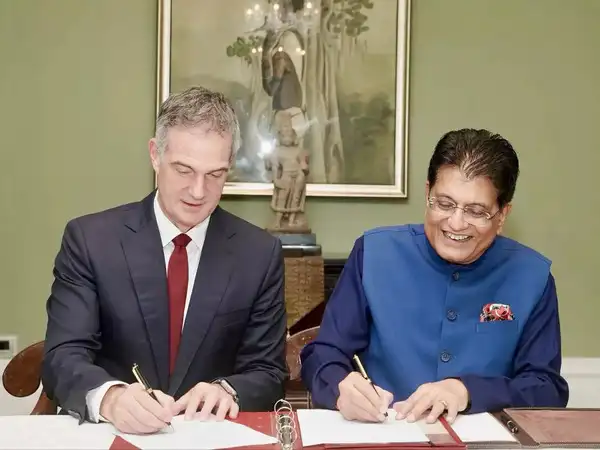
India’s Automobile Manufacturing Opportunities
During the meeting, Piyush Goyal said India was positioned to become a global car-manufacturing hub. He also referred to opportunities for European manufacturers to move production to India amid regulatory pressures in Europe.
India has an established automobile industry, a large domestic market and manufacturing supply chains. International companies may consider these factors when making decisions about production and investment.
However, moving production requires careful planning. Companies consider costs, infrastructure, skilled workers, supply chains, market demand and government rules before making investment decisions.
The automobile-related provisions of the India-UK Free Trade Agreement form part of the broader effort to improve trade links. Their impact will depend on the agreed tariff conditions, quota limits and the response of businesses in both markets.
Why India-UK Economic Cooperation Matters
The 16th JETCO meeting highlighted the role of trade and investment in strengthening relations between India and the United Kingdom. The announcement of more than £1 billion in new commercial deals covers several sectors, from aviation and AI to healthcare and engineering.
The expected benefits include new business opportunities, stronger commercial partnerships and support for jobs in both countries. The wider trade relationship is also shaped by the India-UK Free Trade Agreement and its projected contribution to bilateral trade by 2040.
The announced deals will need to progress through business planning and implementation before their full economic effects can be measured. Their development will be important for understanding how India and the UK turn trade commitments into investment, employment and commercial activity.