
Invasive Species Global Impact: A $2.2 Trillion Economic Challenge

Invasive Species Global Impact has emerged as a major threat to economies and ecosystems worldwide. Recent research indicates that invasive plants and animals have cost the global economy over $2.2 trillion since 1960—16 times higher than previous estimates. Using data from InvaCost, a comprehensive public database on the economic costs of invasive species, the study highlights underreporting, particularly in countries like India, and underscores the enormous financial burden that invasive species impose on agriculture, forestry, fisheries, and ecosystems.
Thank you for reading this post, don't forget to subscribe!Global Economic Costs of Invasive Species Global Impact
From 1960 to 2022, invasive species caused economic damages totaling $2.2 trillion. Europe accounts for the largest share at $1.5 trillion, followed by North America, Asia, Africa, and Oceania. Europe’s high costs reflect not only the extent of invasions but also the expense of agricultural, forestry, and management measures.
The global figures illustrate that invasive species are more than an ecological problem—they represent a substantial economic threat affecting trade, food security, and livelihoods. For nations dependent on agriculture and natural resources, the economic impact can undermine development and sustainability goals.
Underreporting and Data Discrepancies
One of the study’s most striking findings is the underreporting of management costs. In India, for instance, the discrepancy reaches a staggering 1.16 billion percent. Similar gaps exist across Europe, Asia, and Africa, indicating that many countries lack comprehensive systems for tracking and reporting invasive species costs.
Several factors contribute to this underreporting: limited resources, language barriers, lack of coordination between agencies, and insufficient awareness of economic impacts. As a result, the true financial burden of invasive species remains largely hidden, hampering policy planning and resource allocation.
Types of Invasive Species and Their Costs
Among invasive species, plants are the most expensive, causing nearly $926 billion in damages and management costs. Arthropods follow at $830 billion, and mammals at $263 billion. Some of the most costly species include Japanese knotweed, common lantana, and invasive rodents, which disrupt ecosystems and reduce agricultural productivity.
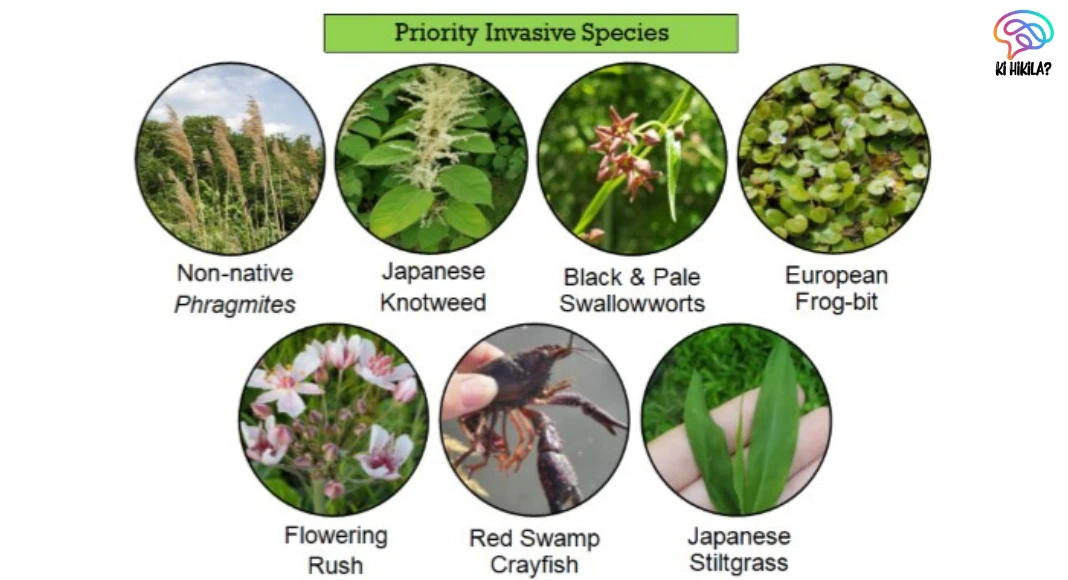
Global trade and travel, including the shipping of goods and the movement of people, are primary pathways for the spread of these species. Climate change further exacerbates their proliferation by creating favorable conditions for invasive species to thrive in new regions.
Challenges in Managing Invasive Species Global Impact
Completely eradicating invasive species is often neither feasible nor desirable. Many agricultural products themselves are non-native, and indiscriminate removal could disrupt food systems. Management strategies generally include:
- Prevention: Controlling pathways of entry.
- Control and Suppression: Reducing population sizes to minimize impact.
- Eradication: Complete removal in localized areas where feasible.
Balancing invasive species control with global trade and economic activity is complex. Additionally, climate change and expanding vegetation zones introduce further uncertainties in management planning.
International Policies and Efforts
Recognizing the global scale of the problem, international agreements have been established to limit the spread of invasive species. The Ballast Water Management Convention regulates shipping practices to prevent aquatic invasions. Meanwhile, the Convention on Biological Diversity (CBD) encourages countries to control or eradicate harmful alien species.
These frameworks highlight global recognition of invasive species as both an ecological and economic threat. They promote coordination across borders and provide guidelines for national policies, emphasizing that effective management requires collaborative efforts.
The Need for Improved Data and Action
The economic gaps revealed by the study underscore the urgent need for better data collection and transparency. Accurate assessments of costs can help governments prioritize resources and implement more effective policies. Improved reporting systems, awareness campaigns, and research into high-risk species are critical for mitigating future losses.
Understanding the Invasive Species Global Impact is also essential for preparing for climate change and safeguarding biodiversity. Financial estimates, such as the $2.2 trillion global cost, provide a tangible metric to drive policy, investment, and public engagement in managing invasive species.
Conclusion
The Invasive Species Global Impact is a wake-up call for policymakers, conservationists, and industry leaders alike. With economic losses exceeding $2.2 trillion since 1960, the threat posed by invasive plants and animals cannot be ignored. Strengthening data collection, enhancing management strategies, and fostering international cooperation are critical steps to reduce the burden of invasive species on economies and ecosystems.
Addressing this challenge not only protects biodiversity but also safeguards food security, livelihoods, and economic growth, ensuring that nations can respond effectively to one of the most pressing environmental threats of the 21st century.