


Jonnagiri Gold Mine Operations Begin

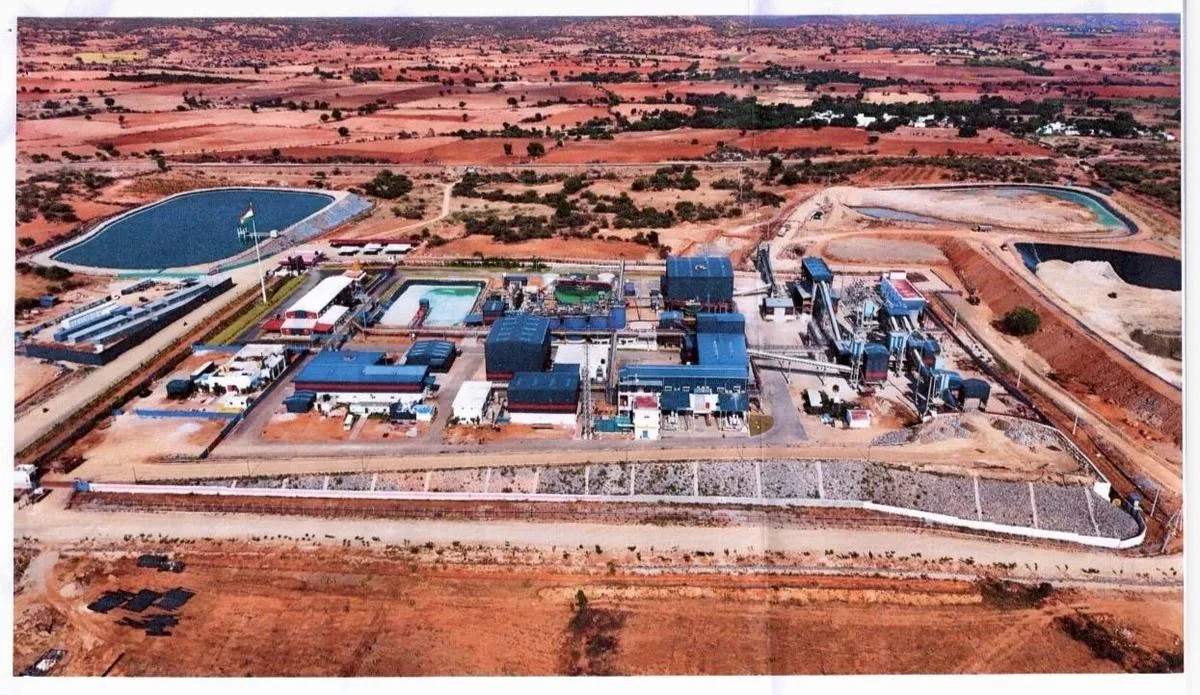
Jonnagiri Gold Mine has officially started commercial operations in Andhra Pradesh, marking a major step for India’s mining sector. Located in the Kurnool district, this project is being operated by Geomysore Services India Pvt Ltd. It is known as the country’s first active private-sector primary gold mine since Independence, making it an important development in the resource industry.
Thank you for reading this post, don't forget to subscribe!The launch reflects a shift towards private participation in mining and shows how India is working to reduce dependence on imported gold.
Location and Project Overview
The Jonnagiri Gold Mine is situated in the Tuggali area of Kurnool district, part of the mineral-rich Rayalaseema region. This region has long been known for its natural resources, including limestone and barytes.
Spread across nearly 598 hectares, the project has been developed with an investment of around ₹405 crore. Its scale and location make it one of the most significant gold mining projects in southern India.
The area’s geological features support the extraction of gold from ore, which is different from surface-level deposits found in riverbeds.

Production Plans and Output Growth
The mine began trial production in May 2026 and quickly moved into full commercial operations by June. Initial production for the year 2026–27 is estimated to be around 400 kilograms of gold.
Over time, production is expected to increase significantly. Plans suggest that annual output could reach nearly 1,000 kilograms in the coming years and may rise to about 2 tonnes after expansion.
This steady growth shows the long-term potential of the Jonnagiri Gold Mine and its role in strengthening domestic gold production.
Employment and Local Impact
One of the key benefits of the Jonnagiri Gold Mine is job creation. The project is expected to provide around 700 direct employment opportunities.
A major portion of these jobs will go to local residents, helping boost the regional economy. This approach supports skill development and improves income levels in nearby communities.
In addition to employment, the state government will receive revenue through royalties. Andhra Pradesh is expected to earn around 4% royalty on gold production from the mine.
Role of Government and Leadership
The commercial operations were launched by N. Chandrababu Naidu on 24 June 2026. During the event, the foundation stone for the mine’s second unit was also laid.
There are also plans to rename Jonnagiri village as Swarnagiri, reflecting the region’s new identity linked to gold mining. Such moves highlight the importance of the project for the state’s development.
Government support has played a crucial role in enabling this project and encouraging private investment in the mining sector.
Understanding Primary Gold Mining
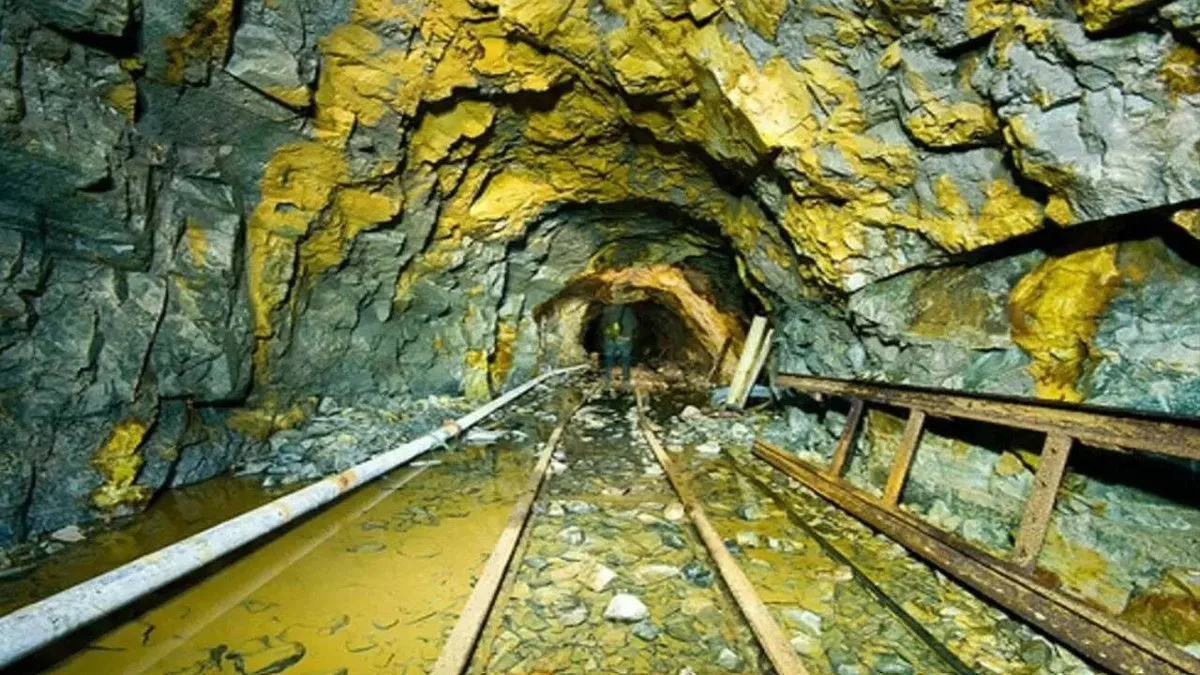
Primary gold mining involves extracting gold directly from underground ore bodies. This process requires advanced technology, skilled workers, and significant investment.
Unlike alluvial mining, where gold is collected from riverbeds, primary mining focuses on deeper geological formations. This makes projects like the Jonnagiri Gold Mine more complex but also more sustainable in the long run.
Gold, known by its chemical symbol Au, remains one of the most valuable and widely used metals in the world.
India’s Gold Demand and Supply Gap
India is one of the largest consumers of gold globally, but domestic production has traditionally been limited. Most of the country’s gold demand is met through imports.
Projects like the Jonnagiri Gold Mine can help reduce this gap by increasing local production. While it may not replace imports completely, it is a step toward improving self-reliance.
With rising gold demand for jewellery, investment, and technology, expanding domestic mining has become more important.
Private Sector Entry in Mining
The start of operations at Jonnagiri highlights the growing role of private companies in India’s mining sector. Earlier, large-scale mining projects were mostly handled by government entities.
Now, policy changes and investment opportunities are encouraging private firms to participate. This brings in modern technology, better efficiency, and faster project execution.
The success of this project could inspire more private investments in mineral exploration and extraction across the country.
Future Expansion and Regional Growth
The second phase of the Jonnagiri Gold Mine is already in planning, which will further increase production capacity. This expansion is expected to create more jobs and attract related industries to the region.
Infrastructure development, including roads and local facilities, is also likely to improve as a result of the project. This can lead to overall economic growth in the surrounding areas.
The mine’s development shows how natural resources, when managed properly, can contribute to both local and national progress.
Changing Landscape of Resource Development
India’s approach to resource development is evolving with a focus on sustainability, technology, and private participation. Mining projects are now being planned with attention to environmental impact and community welfare.
The Jonnagiri Gold Mine is part of this broader transformation. It represents a balance between economic growth and responsible resource use.
As global demand for minerals continues to rise, such projects will play a key role in shaping the future of the industry.