Kashiwazaki-Kariwa Plant Restart: Japan Approves Historic Nuclear Revival

Japan has approved the Kashiwazaki-Kariwa Plant Restart, nearly two decades after the facility was shut down. This decision marks a major shift in Tokyo’s energy strategy, reflecting renewed priorities on energy security, cost management, and decarbonisation amid fluctuating global fuel markets. The move has significant implications for Japan’s electricity supply, economy, and future energy policy.
Thank you for reading this post, don't forget to subscribe!Niigata Assembly Approves Kashiwazaki-Kariwa Plant Restart
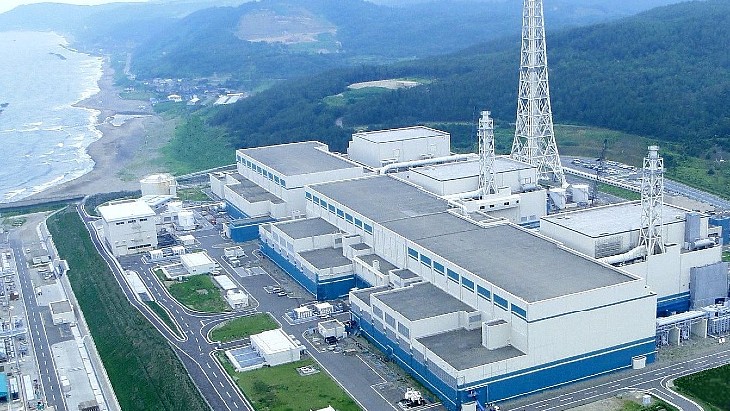
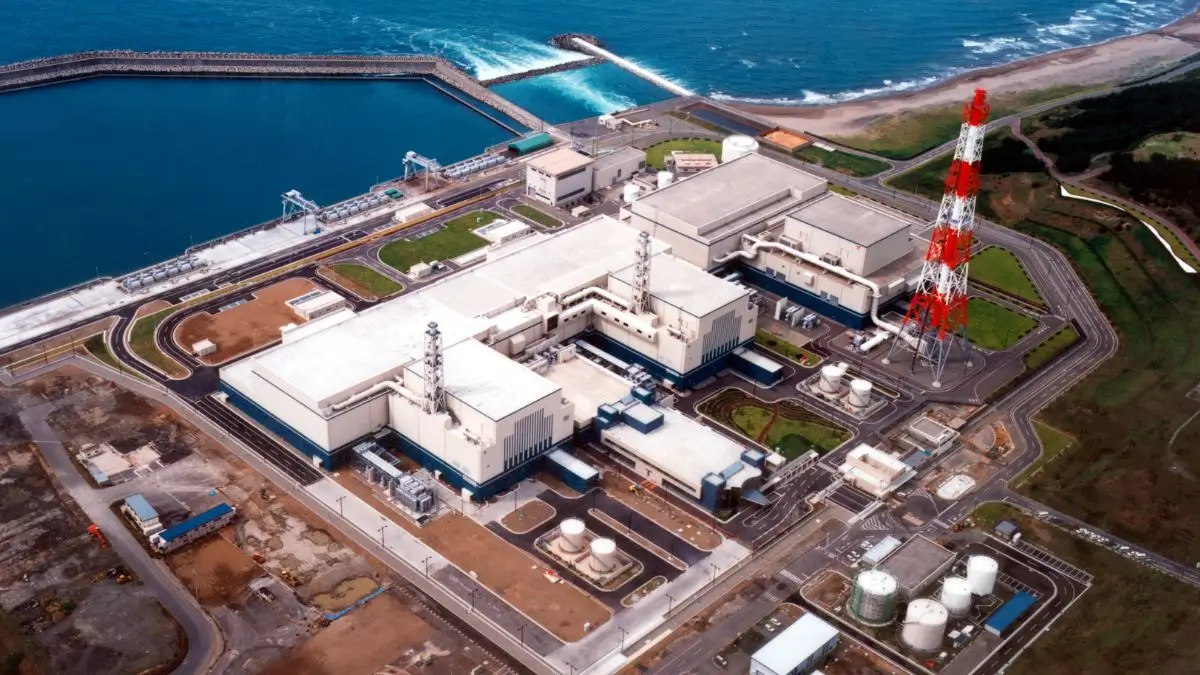
The Niigata prefectural assembly recently cleared the long-pending proposal to resume operations at the Kashiwazaki-Kariwa nuclear power plant. The assembly endorsed Governor Hideyo Hanazumi’s support for the plant’s reopening, granting Tokyo Electric Power Company (TEPCO) the authorization to restart power generation at what is now the world’s largest nuclear power station.
Despite facing protests from local residents concerned about nuclear safety, the government proceeded with the decision, citing careful safety upgrades and regulatory compliance. The approval represents a major milestone in Japan’s efforts to balance public concerns with national energy needs.
Background of the Shutdown of Kashiwazaki-Kariwa Plant Restart
The Kashiwazaki-Kariwa plant, located approximately 220 kilometres northwest of Tokyo, was part of a nationwide shutdown of nuclear reactors following the Fukushima Daiichi disaster in March 2011. At that time, Japan closed 54 reactors to review safety standards and prevent future accidents.
Reactor No. 6 of the seven-reactor complex is expected to resume operations by January 20, 2026. TEPCO has announced plans to invest nearly ¥100 billion over the next decade to strengthen safety systems, upgrade infrastructure, and meet strict regulatory requirements. These investments aim to reassure both the public and regulators about the safety of restarting nuclear operations.
Energy Security and Economic Benefits of Kashiwazaki-Kariwa Plant Restart
Japan’s renewed focus on nuclear energy is closely linked to energy security. The country depends heavily on imported fossil fuels such as coal and liquefied natural gas (LNG). Recent figures show that Japan spends approximately ¥10.7 trillion annually on these imports, representing nearly 10% of total import costs.
Nuclear energy offers a domestic alternative that can reduce vulnerability to international price fluctuations and help maintain a stable electricity supply. Restarting Kashiwazaki-Kariwa is seen as a cost-effective solution to diversify energy sources and support long-term economic stability.
Moreover, nuclear power contributes to Japan’s environmental goals. As a low-carbon energy source, it helps reduce greenhouse gas emissions and aligns with global efforts to combat climate change.
Prime Minister Sanae Takaichi’s Nuclear Strategy for Kashiwazaki-Kariwa Plant Restart
Prime Minister Sanae Takaichi has strongly backed nuclear energy as a central component of Japan’s energy strategy. Her administration aims to decrease reliance on fossil fuels, which currently account for 60–70% of Japan’s electricity generation, while increasing the share of nuclear power to approximately 20% by 2040.
The Kashiwazaki-Kariwa restart is pivotal to this plan. By bringing the world’s largest nuclear power plant back online, the government hopes to secure a reliable, low-carbon energy source for the future. Takaichi’s policy also emphasizes modernizing existing facilities and maintaining strict safety protocols to prevent incidents similar to Fukushima.
Safety and Regulatory Measures for Kashiwazaki-Kariwa Plant Restart
TEPCO has committed to implementing extensive safety measures at Kashiwazaki-Kariwa. These include reinforced reactor structures, upgraded cooling systems, and advanced monitoring technologies. Regulatory authorities are conducting rigorous inspections to ensure compliance with post-Fukushima safety standards.
The company’s approach highlights Japan’s cautious but determined effort to reintroduce nuclear energy while prioritizing public safety. Officials emphasize that every step of the restart process will be monitored closely, balancing energy needs with risk management.
Local and National Reactions to Kashiwazaki-Kariwa Plant Restart
The decision to restart the plant has drawn mixed reactions. Local residents, advocacy groups, and environmentalists have voiced concerns about potential nuclear hazards and long-term environmental impact. On the other hand, energy analysts and business communities have welcomed the move, citing economic and energy security benefits.
Nationally, the restart aligns with broader energy strategies to stabilize electricity supply, reduce import dependence, and cut carbon emissions. It also reflects Japan’s recognition of the strategic importance of nuclear power in a changing global energy landscape.
Significance of Kashiwazaki-Kariwa Plant Restart
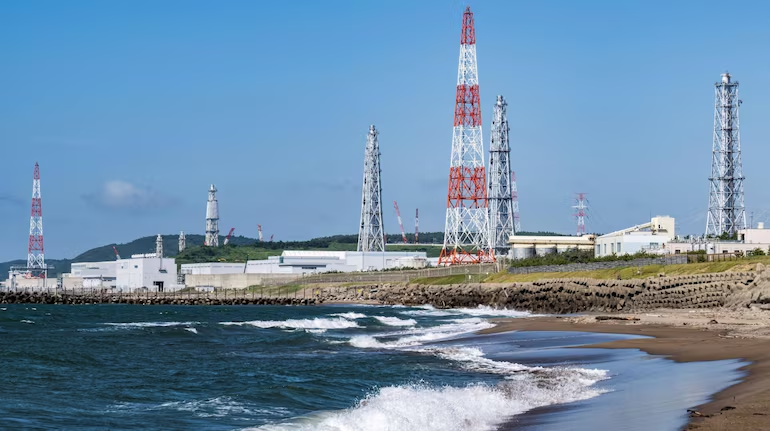
The Kashiwazaki-Kariwa nuclear power plant is the largest in the world by capacity. Its restart not only strengthens Japan’s energy mix but also serves as a symbol of resilience and innovation in the post-Fukushima era. TEPCO’s management of both the Fukushima Daiichi and Kashiwazaki-Kariwa plants demonstrates the company’s experience in operating complex nuclear facilities under stringent safety regulations.
As Japan moves forward with its energy transition, the revival of Kashiwazaki-Kariwa is likely to play a central role in shaping national energy policy and supporting the country’s long-term environmental and economic goals.