Korea District Water Conservation: A Community-Led Initiative in Chhattisgarh

Korea District Water Conservation has become a remarkable example of how community participation can address water scarcity in rural India. Located in Chhattisgarh, the district has introduced an innovative initiative called “Jal Sanchay Jan Bhagidari,” which encourages farmers and local communities to take an active role in water conservation and groundwater recharge.
Thank you for reading this post, don't forget to subscribe!The programme is implemented under the Aawa Paani Jhoki movement and focuses on sustainable water management practices. By involving farmers, youth volunteers, and women leaders, the initiative has created a participatory model that improves long-term water security and supports rural livelihoods.
Farm-Based Water Recharge Model
One of the key features of the Korea District Water Conservation programme is its farm-based recharge model. Farmers voluntarily dedicate around five percent of their agricultural land to create small recharge ponds and terraced pits.
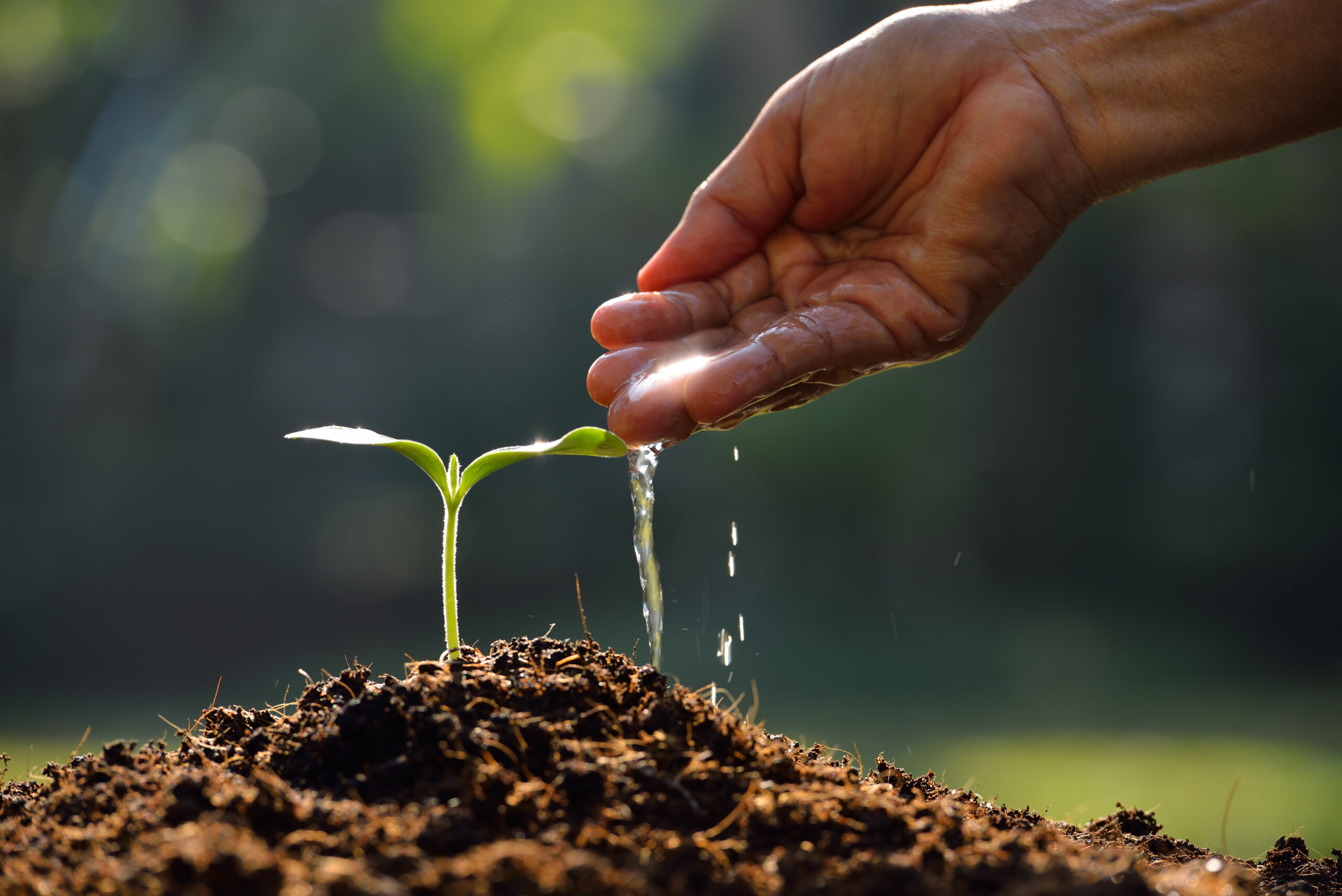
These structures capture rainwater during the monsoon season and allow it to gradually seep into the ground. Instead of flowing away as runoff, the stored rainwater slowly replenishes underground water reserves. This approach also helps increase soil moisture, reduce soil erosion, and support better crop growth during dry seasons.
By integrating water recharge directly into farmland, the programme ensures that water conservation becomes part of everyday agricultural practices.

Community Participation and Local Leadership
Community involvement has been central to the success of Korea District Water Conservation efforts. Women volunteers known as Neer Nayikas have played an important leadership role by promoting water conservation practices within villages.
They guide households on building soak pits and encourage families to adopt rainwater recharge methods around their homes. At the same time, youth volunteers called Jal Doots actively support the initiative through field activities.
These volunteers help map trenches, clean canals, and spread awareness about water conservation through street plays and wall paintings. Their work has strengthened public participation and created a strong sense of collective responsibility for water management.
Revival of Traditional Water Bodies
Another significant achievement of the initiative is the revival of traditional water bodies. Communities in the district have restored more than 440 ponds through collective labour.
In addition, over 500 beneficiaries of the Pradhan Mantri Awas Yojana have built soak pits near their homes, allowing rainwater to recharge the ground. These efforts combine traditional knowledge with modern planning techniques.
District authorities also supported the initiative through micro-watershed mapping and hydrogeological studies to identify the most suitable locations for recharge structures.
Positive Impact on Water and Livelihoods
The Korea District Water Conservation programme has produced noticeable improvements in water availability across several villages. Groundwater levels have reportedly increased by three to four metres in some areas, while natural springs have revived in 17 remote tribal hamlets.
Better soil moisture has improved agricultural productivity and strengthened the livelihoods of local farmers. Officials have also reported a reduction of about 25 percent in seasonal migration from the district.
The initiative highlights how scientific planning combined with strong community participation can create sustainable and long-term solutions to water challenges in rural regions.