Namo Bharat Corridor Opens Delhi-Meerut Route

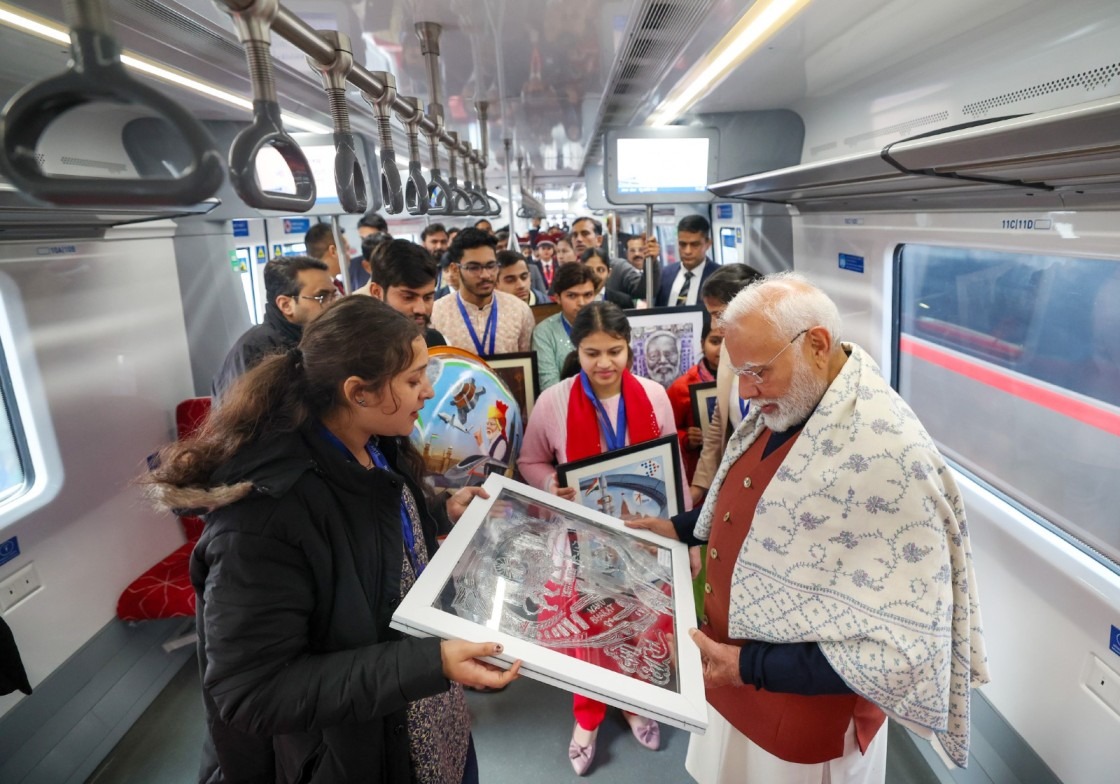
The Namo Bharat Corridor connecting Delhi and Meerut is now fully operational, marking a major step in modern transport for the National Capital Region. Prime Minister Narendra Modi inaugurated the remaining sections of the high-speed regional rail system, completing the entire 82-kilometre route. This project is India’s first Regional Rapid Transit System designed for fast inter-city commuting.
Thank you for reading this post, don't forget to subscribe!Two key stretches were opened in the final phase a short but crucial link in Delhi between Sarai Kale Khan and New Ashok Nagar, and a longer section between Meerut South and Modipuram. With these additions, passengers can now travel the entire corridor without changing systems. The project has also been integrated with the local metro network in Meerut, allowing smooth travel within the city as well.
This development comes at a time when large cities across India are struggling with traffic congestion, pollution, and long commuting hours. The Namo Bharat Corridor is expected to change daily travel patterns for thousands of workers, students, and business travellers.
Namo Bharat Corridor: Faster Travel and Modern Trains
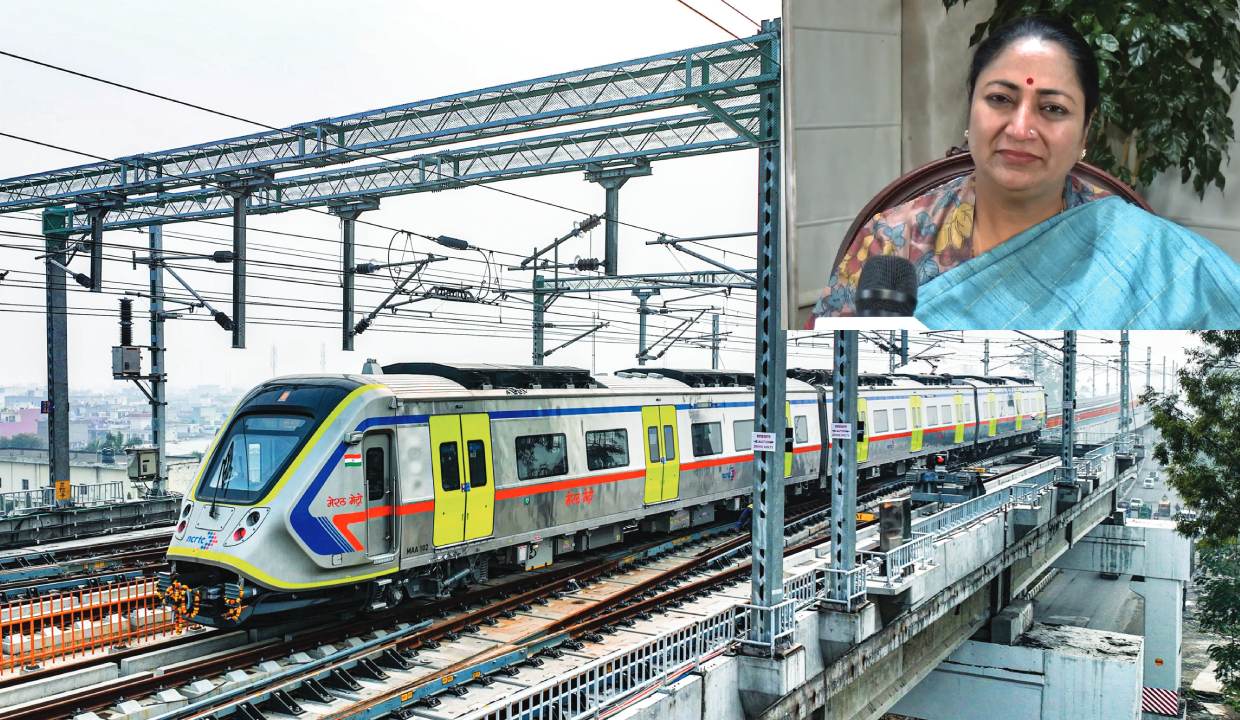
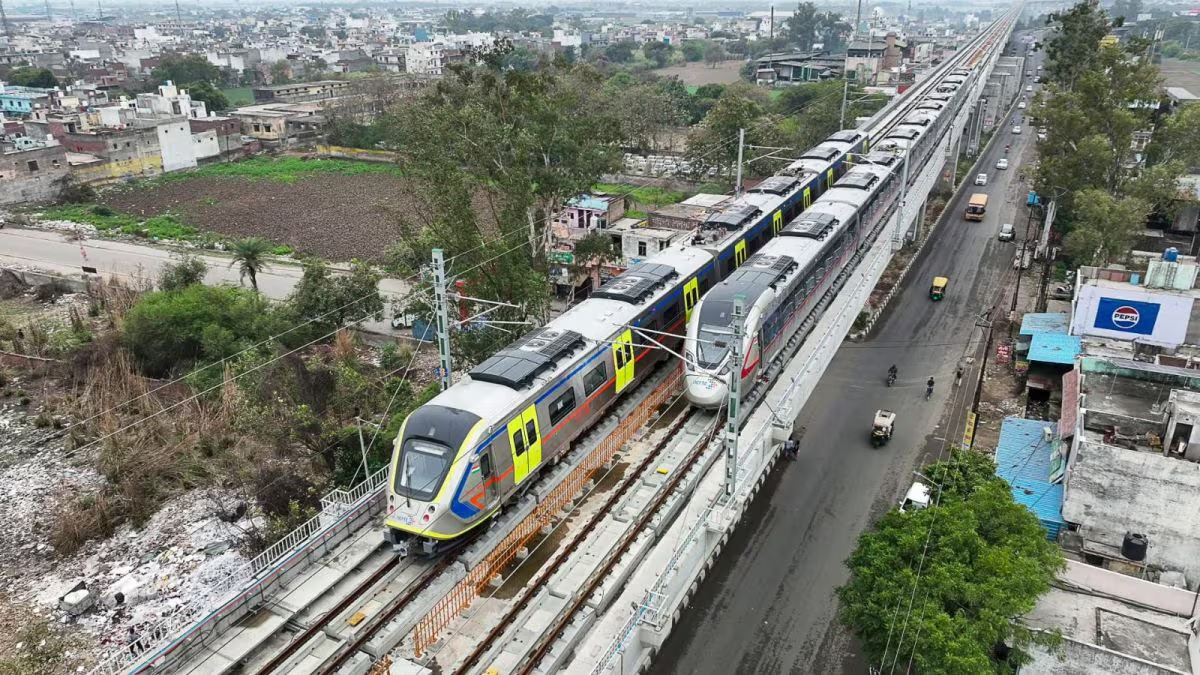
The Namo Bharat Corridor is designed for high-speed travel, much faster than traditional suburban trains. The sleek trains can run at speeds of up to 160 km per hour, drastically reducing travel time between Delhi and Meerut to about one hour. Earlier, the same journey could take two to three hours depending on road traffic.
The trains feature modern facilities such as comfortable seating, air conditioning, onboard information systems, and dedicated spaces for women and differently-abled passengers. Security arrangements include surveillance cameras and trained staff, making travel safer and more convenient.
With rising fuel prices and growing concerns about air pollution, many commuters are expected to shift from private vehicles to this new public transport option.
Namo Bharat Corridor: Seamless Multi-Modal Connectivity
One of the biggest strengths of the Namo Bharat Corridor is its integration with existing transport networks. The Sarai Kale Khan station in Delhi has been developed as a major multi-modal hub. It connects several transport systems, including the nearby Hazrat Nizamuddin railway station, bus terminals, and metro services.
Other stations along the route also link with local railways, metro lines, and bus networks, making it easy for passengers to switch between different modes of transport without long delays. This type of seamless connectivity is common in global cities but has been limited in India until recently.
Such integration means commuters can travel from suburban areas to city centres without needing private vehicles, reducing both traffic congestion and parking problems.
Namo Bharat Corridor: Economic Impact Across the Region
The Namo Bharat Corridor is expected to boost economic growth across the National Capital Region. Improved connectivity often leads to new business opportunities, real estate development, and job creation. Areas along the corridor may see the rise of new residential complexes, commercial centres, and industrial zones.
Officials believe that better transport links will allow people to live in smaller cities like Meerut while working in Delhi, easing pressure on the capital’s housing market. This could reduce the need for migrants to rent expensive accommodation in Delhi, improving their quality of life.
Large infrastructure projects such as expressways, freight corridors, and the upcoming international airport near Jewar are also contributing to regional development. Together, these initiatives aim to create a more balanced urban network rather than concentrating growth in one city.
Namo Bharat Corridor: Environmental Benefits and Reduced Congestion
Traffic congestion and pollution are major concerns in northern India, especially during winter months. By encouraging people to shift from cars and buses to electric trains, the Namo Bharat Corridor can help reduce vehicle emissions.
Fewer private vehicles on the road also mean less fuel consumption and lower noise pollution. Urban planners see high-capacity public transport as one of the most effective ways to create sustainable cities.
As climate change and air quality become global issues, projects like this align with India’s broader push toward greener infrastructure.
Namo Bharat Corridor: Future Expansion Plans
Authorities have already begun considering new rapid rail corridors starting from Sarai Kale Khan. One proposed line could extend toward Karnal in Haryana, while another may connect areas such as Neemrana in Rajasthan. These routes would further expand the high-speed network across northern India.
If implemented, the expanded system could transform the entire region into a network of well-connected cities, similar to metropolitan clusters in developed countries. Faster connectivity can attract investment, support tourism, and strengthen supply chains.
Namo Bharat Corridor: Changing Daily Life for Commuters
For many people, the Namo Bharat Corridor is more than just a transport project it represents a shift in daily lifestyle. Workers can spend less time stuck in traffic and more time with family. Students travelling between cities will have safer and faster options. Businesses can operate more efficiently with improved mobility for employees and goods.
The project also reflects India’s broader focus on infrastructure development, digital systems, and urban modernization. Similar rapid rail networks are planned in other parts of the country as cities continue to grow.