


Nepal Flash Floods Hit Himalayan Rivers

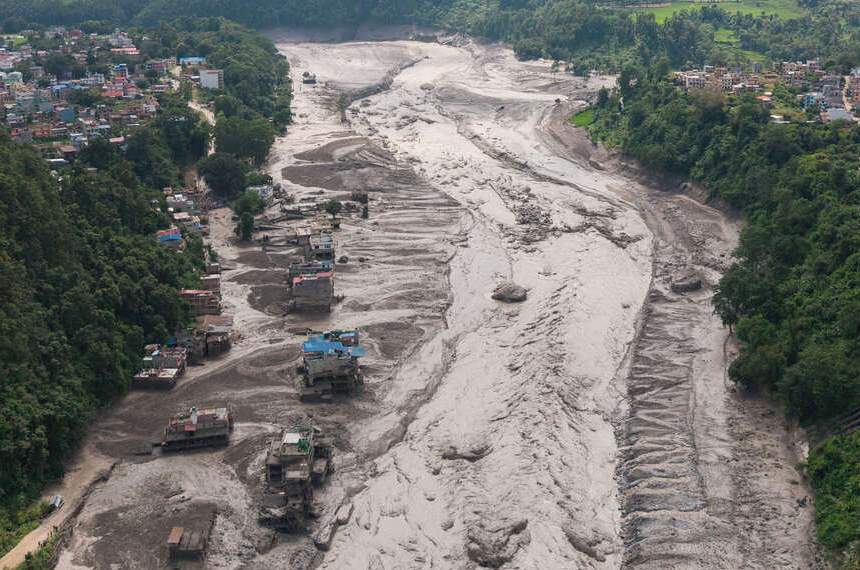
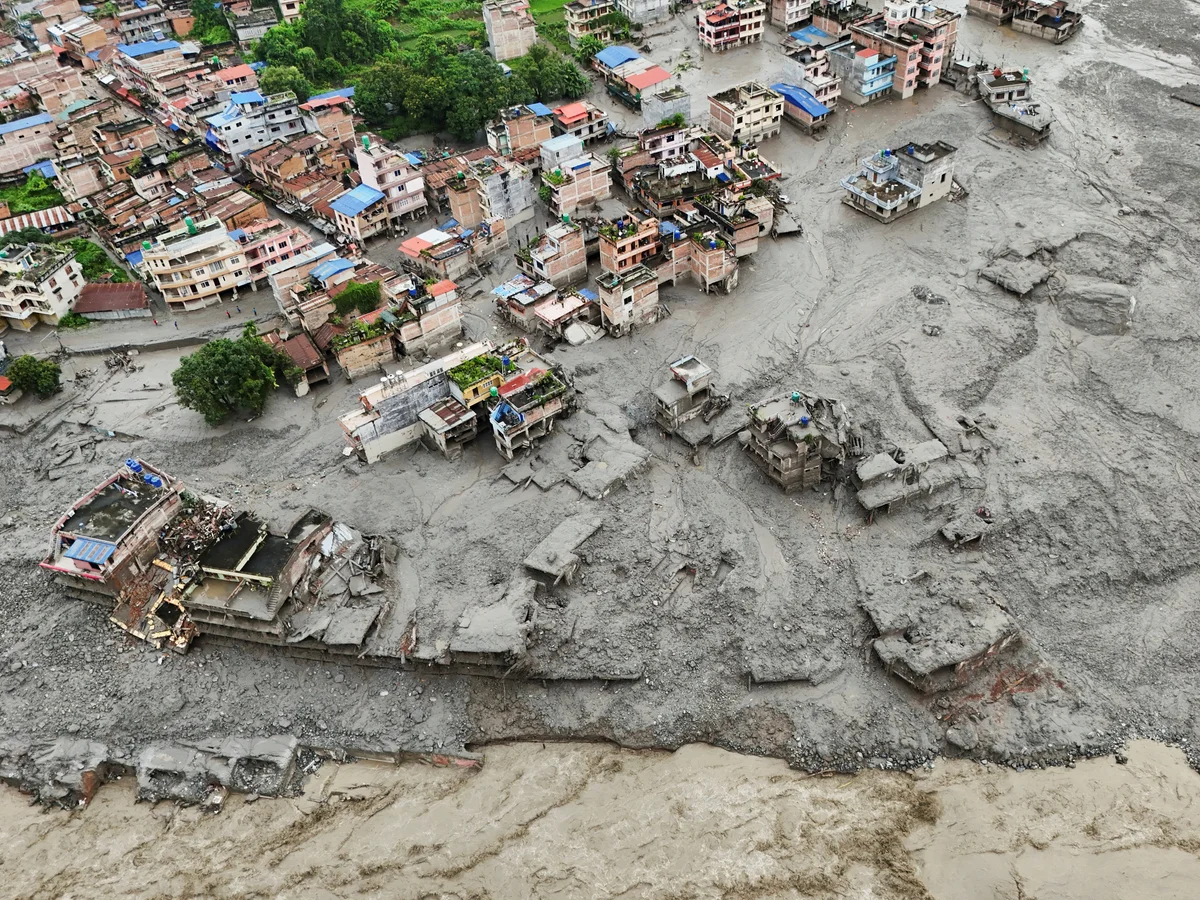
Nepal Flash Floods caused widespread damage across parts of central Nepal on 26 August 2026 after a sudden surge of water affected the Bhote Koshi and Trishuli river systems. The disaster impacted the districts of Rasuwa, Nuwakot and Dhading, causing casualties, missing-person cases, and serious damage to roads, bridges and other infrastructure. The floods also disrupted travel routes and raised concerns in neighbouring parts of India as water moved through connected river systems.
The disaster has drawn attention to the growing vulnerability of Himalayan regions to sudden natural events. Mountain areas are especially sensitive to heavy rainfall, landslides, earthquakes, glacier-related events and the sudden release of water from blocked or unstable river systems. In Nepal, where many communities, roads and hydropower projects are located close to steep river valleys, flash floods can cause major destruction within a very short time.

Bhote Koshi and Trishuli River Systems
The Bhote Koshi and Trishuli rivers are important parts of Nepal’s Himalayan river network. The affected areas are located in mountainous terrain, where steep slopes and narrow valleys can increase the speed and force of flowing water.
Unlike slow-rising floods, flash floods develop rapidly and often carry mud, rocks, trees and other debris. This makes them particularly dangerous for settlements and infrastructure located near riverbanks. Roads and bridges in mountain regions can also be quickly damaged when powerful water flows carry large amounts of debris downstream.
The affected districts of Rasuwa, Nuwakot and Dhading are connected to important travel and trade routes. Disruption in these areas can affect local communities as well as travellers moving through Nepal’s Himalayan region.
Possible Cause Behind the Sudden Flood
Authorities and geological experts examined several possible causes behind the sudden flood. Early reports linked the event to a possible landslide or ice-rock avalanche in Tibet following a magnitude 4.4 earthquake in the region.
Such events can temporarily block rivers or release large amounts of water and debris into downstream areas. In the Himalayas, earthquakes and unstable mountain slopes can sometimes trigger landslides, while changing weather conditions and melting ice can add further pressure to fragile landscapes.
The incident also highlights the importance of monitoring transboundary rivers. Rivers flowing through the Himalayan region often cross national borders, meaning an upstream event in one country can quickly affect communities in another.
Rescue Operations and Missing Travellers
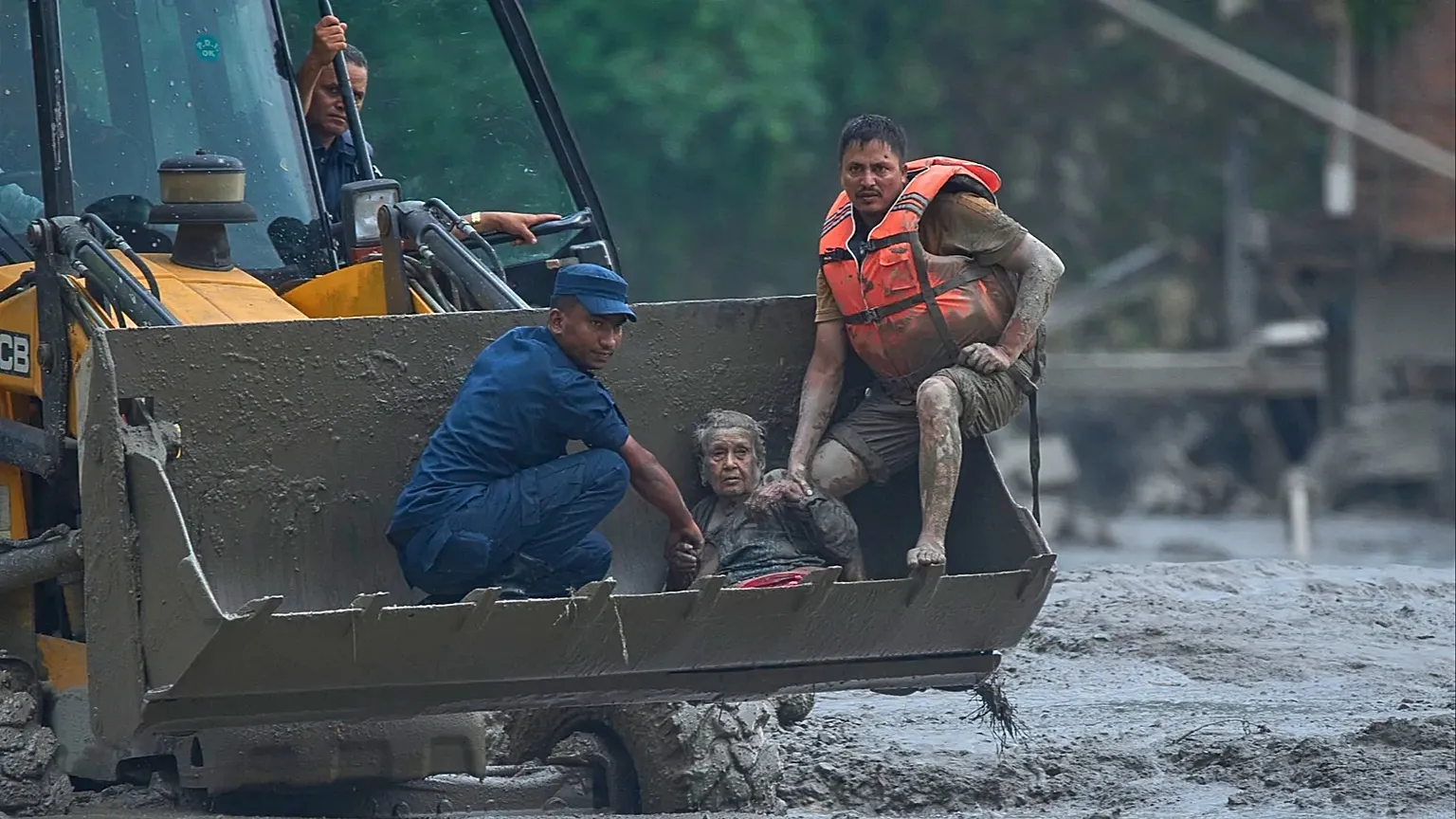
Nepalese authorities launched large-scale search and rescue operations after the floods. The Nepal Army, Nepal Police and Armed Police Force were deployed to affected areas, while helicopters were used to search for stranded people and provide emergency assistance.
The Nepal Tourism Board released a preliminary list of nearly 400 missing travellers. The list reportedly included 105 Indian tourists, 37 non-resident Indians and several pilgrims travelling for the Kailash Mansarovar Yatra.
The Indian Embassy in Kathmandu also issued emergency helpline numbers for Indian citizens who may have been stranded or affected by the disaster. State governments in India, including Tamil Nadu and Kerala, monitored the situation and worked to gather information about their residents travelling in Nepal.
India Monitors the Flood Situation
The Nepal Flash Floods also created concern in northern India because Himalayan rivers can carry increased water downstream across borders. Bihar and Uttar Pradesh were placed on alert as authorities monitored river conditions and possible flood risks.
India’s disaster response agencies prepared for possible emergency situations. Monitoring teams were deployed, while aircraft and other resources were kept ready to support relief operations if required.
Cross-border cooperation is especially important during natural disasters in the Himalayas. Weather systems, earthquakes, landslides and river flows do not stop at national boundaries, making information sharing and early warning systems essential for protecting communities.
Damage to Hydropower and Infrastructure
The flash floods caused major damage to infrastructure in the affected region. Reports indicated that at least a dozen hydropower projects suffered damage. Roads, bridges and smaller settlements were also affected by the powerful flow of water and debris.
Nepal has significant hydropower potential because of its steep Himalayan rivers and fast-flowing water. However, this geography also makes hydropower infrastructure vulnerable to floods, landslides and other natural disasters. Damage to power projects can affect electricity supply, transport links and communication networks.
The Nepal Flash Floods have once again brought attention to disaster preparedness in the Himalayan region. Better monitoring of rivers, mountain slopes and weather conditions remains important as communities across South Asia continue to face the risks of extreme weather and sudden geological events.