Sagarmatha Friendship-2025: Strengthening China-Nepal Defence Ties Amid Regional Shifts

Sagarmatha Friendship-2025 marks a significant step in the evolving defence partnership between Nepal and China. The fourth edition of the joint military exercise between the Nepali Army and China’s People’s Liberation Army (PLA) began in Kathmandu and will continue until 16 September 2025. The primary objectives of the exercise are to enhance cooperation in counter-terrorism, disaster management, and United Nations peacekeeping operations. First initiated in 2017, this biennial drill alternates between Nepal and China, symbolising growing strategic and defence ties between the two Himalayan neighbours.
Thank you for reading this post, don't forget to subscribe!Its Strategic Objectives
The Sagarmatha Friendship-2025 exercise is designed to improve interoperability between the Nepali and Chinese forces. It focuses on joint counter-terrorism operations, disaster relief, and peacekeeping coordination. The troops from both sides have been placed in mixed teams to facilitate skill-sharing and mutual learning.
Throughout the exercise, participants engage in a series of practical drills, tactical simulations, and knowledge exchange sessions. The program also includes cultural exchanges and sports activities, which foster camaraderie and understanding. This initiative not only strengthens the military capabilities of both nations but also promotes regional stability by preparing forces to respond effectively to emergencies and security threats.
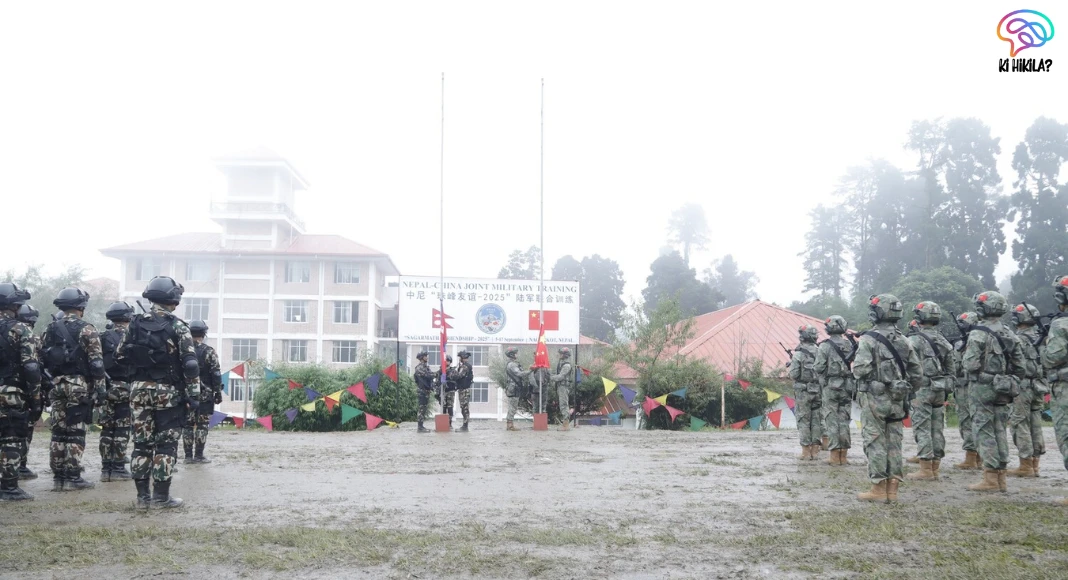
By integrating disaster management and humanitarian response components, the exercise demonstrates a shift towards a more comprehensive approach to security emphasising both military readiness and civil protection.
Historical Background and Context
The origins of the Sagarmatha Friendship-2025 exercise lie in the broader historical trajectory of China-Nepal relations. The two countries share a long history of political, cultural, and economic engagement. However, China’s role in Nepal grew notably after the 2015 India-led economic blockade, which severely affected Nepal’s economy and trade routes.
China’s timely assistance during that crisis significantly altered Nepal’s foreign policy orientation, encouraging closer cooperation with Beijing. Additionally, China’s ideological and logistical support for the Maoist insurgency in Nepal during the 1990s and early 2000s created a base for expanding strategic relations in later years.
Over time, this partnership has evolved beyond political alignment to include infrastructure development, trade, and defence collaboration. The current edition of the Sagarmatha exercise thus represents the culmination of a long-standing effort to deepen mutual trust and security coordination.
Economic and Infrastructure Cooperation under Sagarmatha Friendship-2025
While Sagarmatha Friendship-2025 is primarily a military initiative, it exists within the broader framework of China-Nepal economic cooperation. China has invested heavily in Nepal’s infrastructure projects, including cross-Himalayan railways, hydroelectric power plants, and transport networks.
Nepal’s participation in the Belt and Road Initiative (BRI) reflects its desire to expand trade and connectivity. For China, such partnerships enhance its strategic reach in South Asia, particularly near the Indian border. The development of roads, tunnels, and energy facilities under BRI has helped Nepal diversify its trade routes and reduce dependence on India.
However, critics argue that this increasing economic engagement has made Nepal more reliant on Chinese financing, potentially leading to long-term economic dependency. Despite these concerns, both countries continue to highlight the mutual benefits of economic cooperation in promoting stability and prosperity.
Security and Defence Collaboration in Sagarmatha Friendship-2025
The Sagarmatha Friendship-2025 exercise underscores a growing security partnership between Nepal and China. Over recent years, both nations have signed multiple agreements focusing on military training, equipment sharing, and capacity building.
China’s provision of military aid and defence training has significantly enhanced Nepal’s national security infrastructure. Joint exercises such as Sagarmatha Friendship also allow Nepal to gain exposure to modern military technology and tactics.
These collaborations are intended to strengthen Nepal’s ability to address terrorism, border security, and disaster response challenges. For China, this cooperation helps maintain stability along its southern border and extends its strategic influence into South Asia.
Its Geopolitical Implications for India
The strengthening of China-Nepal military ties through Sagarmatha Friendship-2025 carries notable geopolitical implications for India. New Delhi has long viewed Nepal as part of its strategic neighbourhood, and China’s deepening engagement in the Himalayan region has raised concerns about encirclement.
China’s expanding presence in Nepal through infrastructure, trade, and military collaboration could potentially shift the regional power balance. India fears that increased Chinese access to Nepal’s territory and defence systems might reduce its own influence in the region.
Moreover, as Nepal integrates further into the Belt and Road Initiative, its dependency on Chinese infrastructure and trade networks may complicate trilateral relations among India, Nepal, and China. For India, this underscores the need to strengthen its diplomatic outreach and development cooperation with Nepal to maintain regional equilibrium.
Territorial Disputes and Strategic Balancing in Sagarmatha Friendship-2025
Despite the apparent warmth in relations, Sagarmatha Friendship-2025 takes place amid underlying tensions. A recent territorial disagreement has strained bilateral ties after China’s new map excluded parts of Nepal’s northwestern territory.
This dispute illustrates the complexities within the China-Nepal partnership. While both sides emphasize friendship and cooperation, geopolitical realities and border sensitivities remain significant challenges.
Nepal, positioned strategically between India and China, faces the delicate task of maintaining balanced relations with both powers. The Sagarmatha Friendship-2025 exercise, therefore, serves as both a symbol of partnership and a reminder of the intricate dynamics shaping the Himalayan region’s geopolitics.
Broader Regional Impact of Sagarmatha Friendship-2025
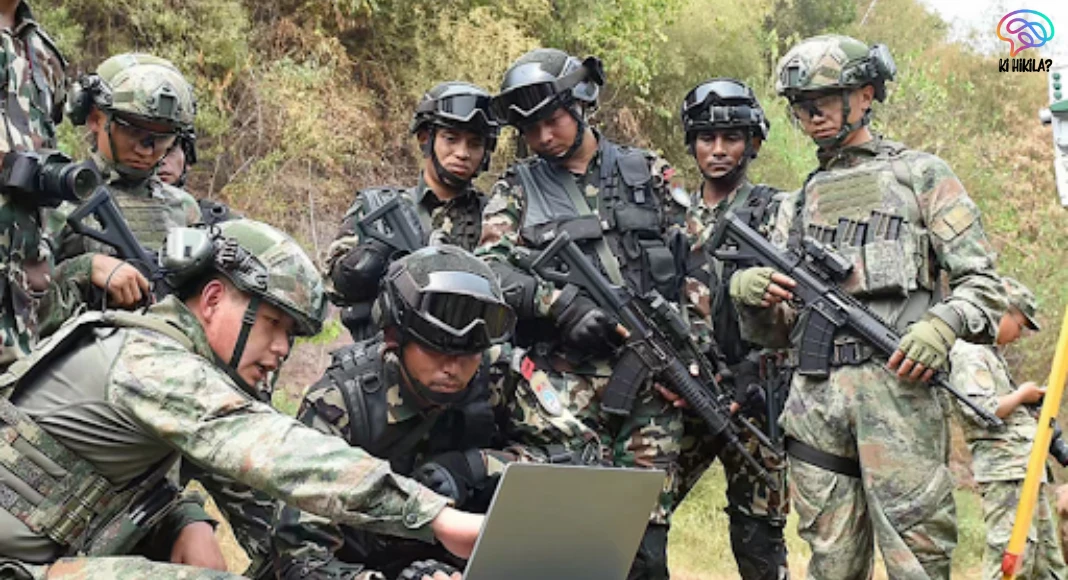
In the wider South Asian context, Sagarmatha Friendship-2025 highlights the shifting patterns of regional cooperation. As China expands its military and economic footprint across Asia, smaller nations like Nepal are redefining their strategic alignments.
Through such exercises, China projects an image of partnership and peaceful development, while also reinforcing its defence diplomacy. For Nepal, participating in joint drills with the PLA enhances national preparedness, technical knowledge, and international peacekeeping credentials.
The continued success of Sagarmatha Friendship-2025 will depend on how both countries manage their shared interests while addressing underlying tensions and balancing relations with neighbouring India.