Senna Spectabilis Invasion Threatens South India’s Forests

Senna Spectabilis Invasion has become one of the most alarming ecological crises in South India. Introduced from South America during the 1980s for shade, beautification and firewood, the tree species has now spread uncontrollably across regions like the Nilgiri Biosphere Reserve and Wayanad Wildlife Sanctuary. What was once seen as a decorative addition to the landscape has turned into a destructive force that chokes native biodiversity, disrupts ecosystems and increases human-wildlife conflict.
Thank you for reading this post, don't forget to subscribe!How Senna Spectabilis Spread in South India
Senna spectabilis was initially encouraged by forestry officials because of its resemblance to Kerala’s state flower, the golden shower tree (Cassia fistula). Its rapid growth, dense canopy and bright yellow flowers made it seem attractive and useful. But within a few decades, it revealed its invasive nature. Unlike native trees, Senna forms dense, sterile thickets that prevent the growth of other plants. It alters soil chemistry, blocks sunlight and reduces the availability of food sources for native herbivores.
The spread of this invasive tree is not limited to Kerala alone. It has expanded across forest landscapes in Karnataka and Tamil Nadu as well, threatening the ecological stability of the entire Nilgiri Biosphere Reserve.
Ecological Impact of Senna Spectabilis Invasion
The invasion of Senna has led to the disappearance of grasses and shrubs that sustain deer, gaur and other herbivores. With their food base shrinking, larger mammals such as elephants and tigers are forced to move into human settlements in search of sustenance. This has intensified human-wildlife conflict in regions surrounding Wayanad.
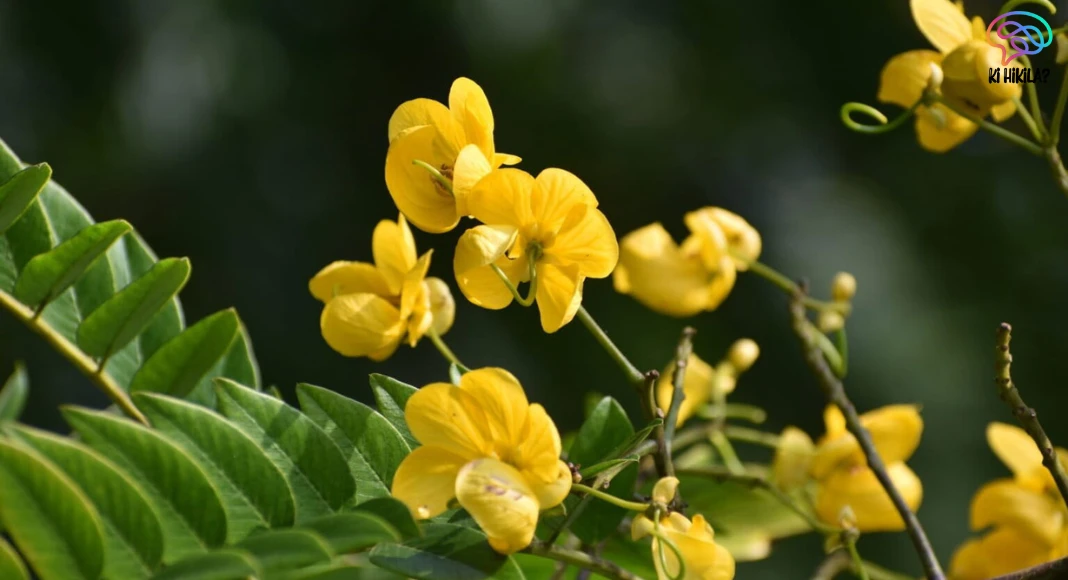
Recent surveys indicate that in Wayanad Wildlife Sanctuary alone, Senna now covers more than 40 percent of the forested area, a sharp increase from 23 percent recorded in 2021. This dramatic expansion has severely weakened the forest’s ecological balance. The loss of plant diversity not only harms herbivores but also affects bird populations, soil health and water retention capacity.
Eradication Efforts in Wayanad
In response to the crisis, Kerala has pioneered India’s first science-based, community-driven eradication initiative in the Tholpetty range of Wayanad Wildlife Sanctuary. This project combined ecological research with grassroots involvement to clear 383 acres of land by uprooting 46,450 Senna trees.
The success of the project rested on innovation. A lightweight hand tool developed by a marine engineer allowed workers to extract entire root systems, preventing regrowth. Without root removal, Senna stumps tend to sprout again, making control efforts ineffective. Tribal youth from the Kurichiya and Kattunaikka communities played a vital role in this mission. They worked as trained labourers and acted as guardians of the restored forests, ensuring a strong link between conservation and community livelihoods.
Signs of Forest Recovery
The post-eradication landscape offers hope for restoration. Once Senna was removed, native vegetation began to return naturally. Grasses and herbs resurfaced, providing food sources for grazing animals. Over 80 native tree species were replanted to accelerate recovery.
The sanctuary’s biodiversity indicators are showing improvement. Bird species count has increased to 184, while elephants and other large mammals have started returning to areas they had abandoned. The revival demonstrates the importance of complete root removal, active replanting and continuous monitoring.
Challenges to Long-Term Control
Despite these successes, the Senna Spectabilis Invasion continues to present serious challenges. Each tree produces thousands of seeds annually, and these seeds remain viable for up to a decade. Even when trunks are cut and bark stripped, stumps resprout quickly. This makes eradication a long-term commitment rather than a one-time effort.
To ensure success, forest officials and local communities must conduct regular scouting to identify and destroy new seedlings. Sustained financial support and training will be necessary for years to come. The Wayanad model is already inspiring similar initiatives in Karnataka and Tamil Nadu, where forests face the same threat. Cross-border eradication projects are being discussed, recognising that invasive species do not respect state boundaries.
Researchers are also exploring productive uses for the felled Senna biomass. Potential applications include converting it into paper pulp or biochar, which could create economic incentives for large-scale removal.
Broader Lessons for Invasive Species Management
The story of Senna is not an isolated case. India’s forests face multiple invasions from species such as Lantana, Eupatorium and Australian Acacia. These plants gradually degrade ecosystems, reduce biodiversity and alter soil and water cycles. Unlike sudden natural disasters, invasive species often spread silently, making them harder to address until damage is already severe.
The Wayanad experience demonstrates the importance of early intervention and community participation. By combining scientific tools with local knowledge, it is possible to reverse ecological damage. The campaign also highlights the need for policy frameworks that prioritise not just planting trees but also un-planting harmful ones. Effective biodiversity conservation requires recognising that not all greenery is beneficial.
Looking Ahead
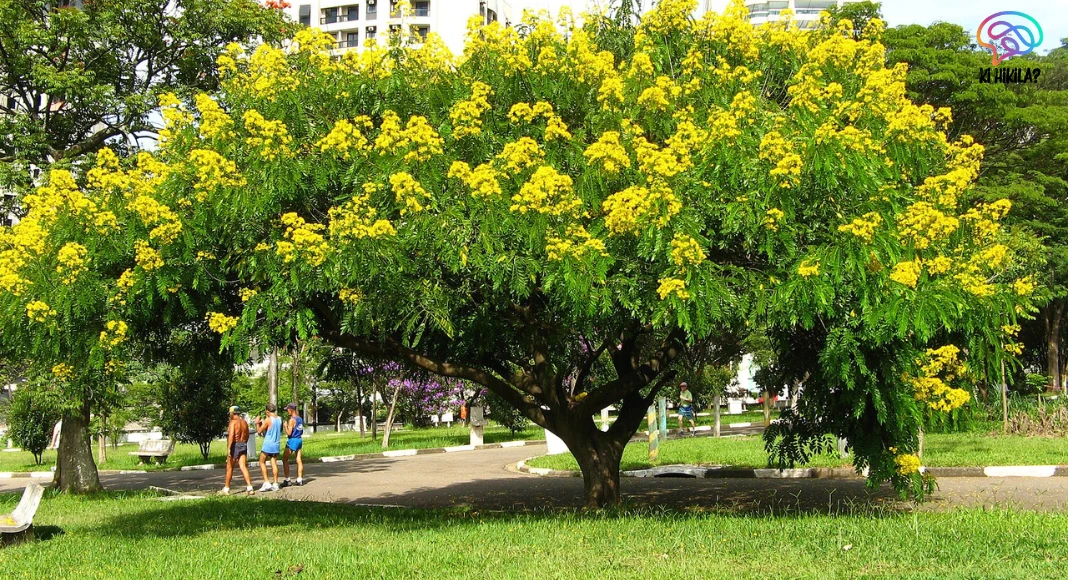
The Senna Spectabilis Invasion is a reminder of how human decisions made decades ago can have unintended consequences for ecosystems. What began as an attempt to provide shade and beautification has grown into a major ecological challenge. Yet the determined efforts in Wayanad show that recovery is possible when communities, scientists and policymakers work together.
The fight against Senna will require patience, vigilance and cooperation across states. More importantly, it serves as a wake-up call for future forestry and agricultural policies. Preventing the introduction of invasive species, investing in monitoring and empowering local communities must be central to conservation strategies. The story of Wayanad offers a model for how degraded forests can be reclaimed and biodiversity restored, even in the face of daunting challenges.