Sunabeda Sanctuary Leopard Habitat Shows Strong Recovery and Growing Conservation Hope

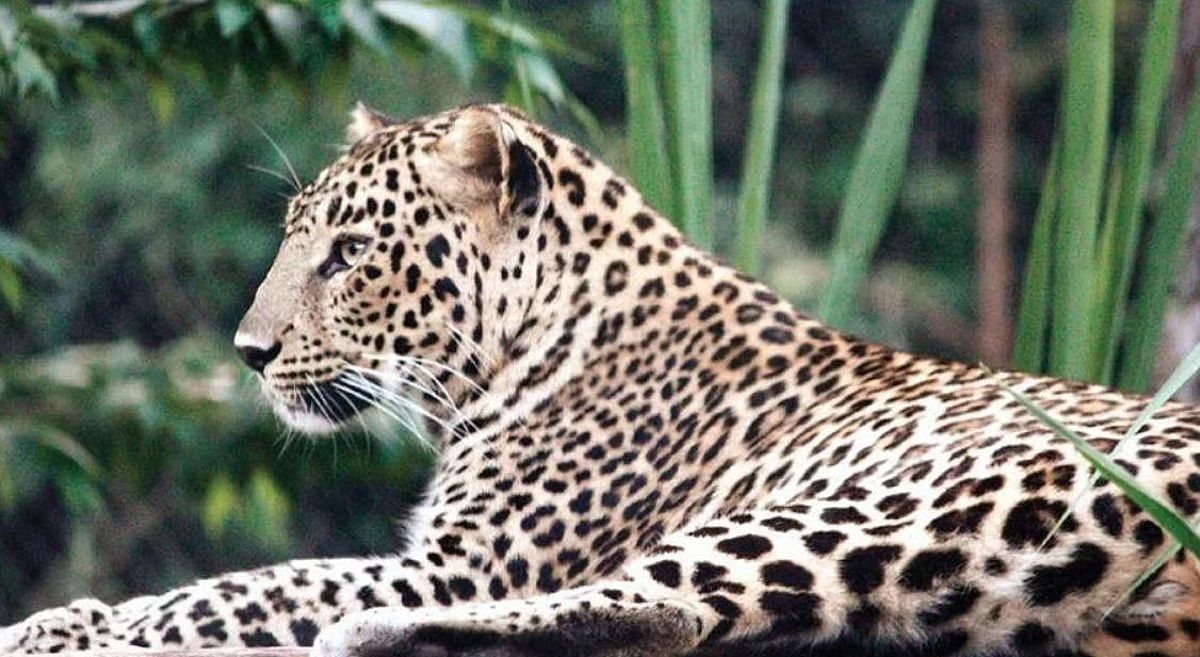
Sunabeda Sanctuary Leopard Habitat is becoming a powerful symbol of wildlife recovery in Odisha’s Nuapada district. Once badly affected by Maoist activity, the sanctuary is now showing clear signs of ecological revival, especially in the rising presence of leopards. Forest officials say recent monitoring suggests a strong and stable leopard population inside the nearly 600 square kilometre forest, which is also a proposed tiger reserve.
Thank you for reading this post, don't forget to subscribe!This change has created new optimism among wildlife experts and local authorities. Improved security, better habitat management, and systematic monitoring are helping Sunabeda move toward a stronger conservation future.
A Sanctuary Free from Past Barriers
For more than a decade, large parts of Sunabeda Wildlife Sanctuary remained difficult for forest staff to access. Maoist influence restricted patrols, damaged infrastructure, and discouraged scientific surveys. In many areas, officials could not install camera traps or conduct wildlife counts safely.
Now that the sanctuary has been declared Maoist-free, forest staff can operate across all ranges. Patrols have increased, and monitoring equipment is functioning without interruption. This has made it possible to observe wildlife more accurately and understand population trends for key species.
Officials describe this shift as a turning point for Sunabeda’s conservation journey.
Camera Traps Highlight Leopard Presence
During the latest all-India tiger estimation exercise, forest teams placed camera traps throughout the sanctuary. While the official national data is still awaited, local observations have revealed extensive leopard activity.
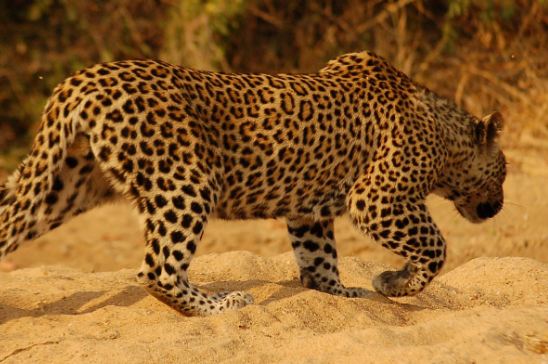
Nearly 90 per cent of the installed camera traps captured leopard images or signs. Based on these records and field assessments, officials estimate that more than 70 leopards may be living in or regularly using the sanctuary.
Such high detection rates suggest a well-established population rather than occasional movement. Leopards are adaptable animals, but their success depends on prey availability and minimal disturbance, both of which appear favourable in Sunabeda.
Conflict Reports Indicate Population Strength
Nuapada district has reported several incidents of man–leopard conflict in recent years. While these situations are serious and require careful handling, they also indicate that leopard numbers are significant.
Forest officers explain that conflict data, when combined with camera trap results, helps build a clearer picture of population health. A stable or growing leopard population is more likely to expand into surrounding areas, increasing chances of human encounters.
To address this, the forest department is strengthening awareness campaigns, quick response teams, and livestock protection measures.
Healthy Prey Base Supports Big Cats
One of the main reasons for the rise in leopards is the availability of prey. Habitat improvement work over the past few years has increased populations of herbivores such as deer, chowsingha, wild boar, and bison.
According to Divisional Forest Officer Sameer Sahu, better vegetation cover, protection from hunting, and reduced disturbance have helped prey species multiply. This provides sufficient food for predators and reduces competition among carnivores.
The sanctuary also contains a mix of dry deciduous forests, open grasslands, and water bodies, creating a diverse and supportive environment for wildlife.
Monitoring Improves with Better Security
Earlier, camera traps were often removed or damaged, and many forest areas were unsafe for staff. Nearly half of Sunabeda’s forest remained under Maoist influence for years, limiting conservation efforts.
With security conditions now improved, camera traps can be placed across the entire sanctuary. Forest teams can conduct regular foot patrols and anti-poaching drives. This has significantly strengthened protection and data collection.
Better coordination between forest officials and security forces has further ensured that conservation activities continue smoothly.
Importance of Landscape Connectivity
Sunabeda Wildlife Sanctuary is connected through forest corridors to Udanti Wildlife Sanctuary in Chhattisgarh. These connected forests allow animals to move freely between protected areas.
Such connectivity is crucial for maintaining genetic diversity and long-term survival of large carnivores. Conservationists believe these corridors could play a key role in supporting both leopard and tiger populations in the future.
The sanctuary’s proposed tiger reserve status highlights its strategic importance in central Indian conservation planning.
Renewed Hope for Tigers
Sunabeda once supported a small tiger population. A 2016 state census recorded four tigers in the area. However, the most recent national tiger report released last year did not record any tigers in the sanctuary.
Experts link this decline to prolonged disturbance and weak protection during years of conflict. With peace restored and monitoring strengthened, there is hope that tigers may gradually return.
The strong leopard population and healthy prey base are positive signs, as these conditions are also necessary for tigers to survive.
Sunabeda Sanctuary Leopard Habitat Moving Toward Recovery
Sunabeda’s transformation from a conflict-affected forest to a promising wildlife habitat reflects the power of sustained protection and improved security. The growing leopard population stands as clear evidence of this progress.
With continued habitat management, community involvement, and scientific monitoring, Sunabeda Wildlife Sanctuary is steadily rebuilding its ecological strength. The sanctuary now holds the potential to become one of western Odisha’s most important strongholds for big cat conservation.