WEF Davos 2026 India Spotlight: India Shines on Global Stage at Annual Economic Forum

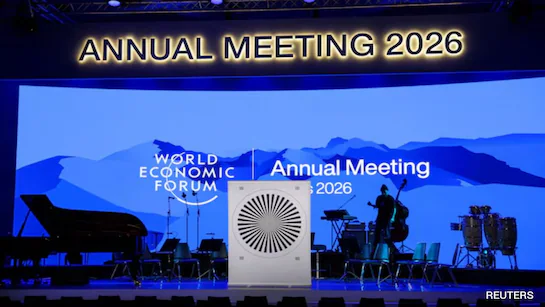
WEF Davos 2026 India Spotlight begins with India taking center stage at the World Economic Forum (WEF) Annual Meeting 2026 in Davos, Switzerland. The summit, starting today, brings together over 3,000 global leaders, policymakers, and corporate executives at a time when the world faces slowing economic growth, geopolitical tensions, rapid technological changes, and declining trust in institutions. Under the theme “A Spirit of Dialogue”, the five-day event aims to foster collaboration between governments, businesses, and institutions to navigate uncertainty and drive global progress.
Thank you for reading this post, don't forget to subscribe!Key Themes of Davos 2026
The discussions at Davos this year revolve around economic resilience, artificial intelligence (AI), energy transition, global risks, and geopolitics. AI-led growth is a major focus, with global leaders exploring how technological advancements can create jobs, support financial stability, and maintain ethical governance. Climate finance, sustainable energy, and supply-chain resilience are also important points on the agenda, reflecting the urgent need to address environmental challenges while strengthening global cooperation.
Global economic recovery and innovation remain top priorities, as countries seek to balance growth with social responsibility. India, as one of the world’s fastest-growing major economies, has positioned itself as a crucial player in shaping this global economic dialogue.
Why Davos is Important for India
For India, Davos is not just another international forum; it is a platform to showcase policy continuity, reform progress, and openness to global investment. The country’s strategy is to demonstrate that it is not only a future growth opportunity but a current engine of global economic expansion.
India aims to attract long-term investments and strengthen its role in global value chains. Areas like manufacturing, digital infrastructure, clean energy, and innovation are being highlighted as sectors where India offers strong potential for partnerships and growth. Davos provides India with the perfect stage to communicate its economic vision and reinforce its credibility as a stable and growth-oriented economy.
India’s Political Leadership at Davos
India’s delegation is a mix of national and state leadership, reflecting the government’s focus on both central reforms and regional opportunities. The delegation includes four Union ministers: Ashwini Vaishnaw, Shivraj Singh Chouhan, Pralhad Joshi, and K Rammohan Naidu. Their presence underscores India’s priorities in infrastructure development, energy security, manufacturing, and digital transformation.
In addition to central ministers, six chief ministers, including Devendra Fadnavis and N Chandrababu Naidu, are participating. This highlights the growing role of states in attracting investment and promoting local economic development. By combining national policy direction with state-level investment opportunities, India presents a comprehensive picture of its economic potential to global stakeholders.
Corporate India’s Strategic Messaging
Alongside political leaders, India has sent one of its largest corporate delegations to Davos, comprising over 100 business leaders from banking, technology, manufacturing, startups, and renewable energy sectors. High-profile participants include Mukesh Ambani, N Chandrasekaran, Sunil Bharti Mittal, and Nandan Nilekani.
The corporate message is clear: India is open for business. Key focus areas include scaling up manufacturing, leading in AI innovation, expanding digital public infrastructure, and driving a clean energy transition. By engaging directly with global investors, Indian businesses aim to attract patient capital and establish long-term partnerships that will support the country’s growth ambitions.
India’s Focus on Technology and Sustainability: WEF Davos 2026 India Spotlight
Artificial intelligence and digital infrastructure are major themes in India’s Davos agenda. The country seeks to position itself as a global AI hub, leveraging technology for inclusive growth and public service delivery. Initiatives like digital public infrastructure and AI-driven solutions for healthcare, education, and governance are presented as examples of India’s innovation capabilities.
At the same time, India emphasizes sustainability. Clean energy and climate finance are critical areas, as the country seeks partnerships for renewable energy expansion and sustainable manufacturing. By highlighting these efforts, India reinforces its commitment to global climate goals while attracting investment that aligns with sustainable development.
Strengthening Global Partnerships
Davos 2026 is also an opportunity for India to strengthen geopolitical and economic partnerships. Meetings with global business leaders and policymakers allow India to build trust, explore trade opportunities, and discuss strategic collaborations. These interactions are vital for integrating India further into global value chains and promoting cooperation in sectors like infrastructure, energy, technology, and finance.
Showcasing India’s Growth Story
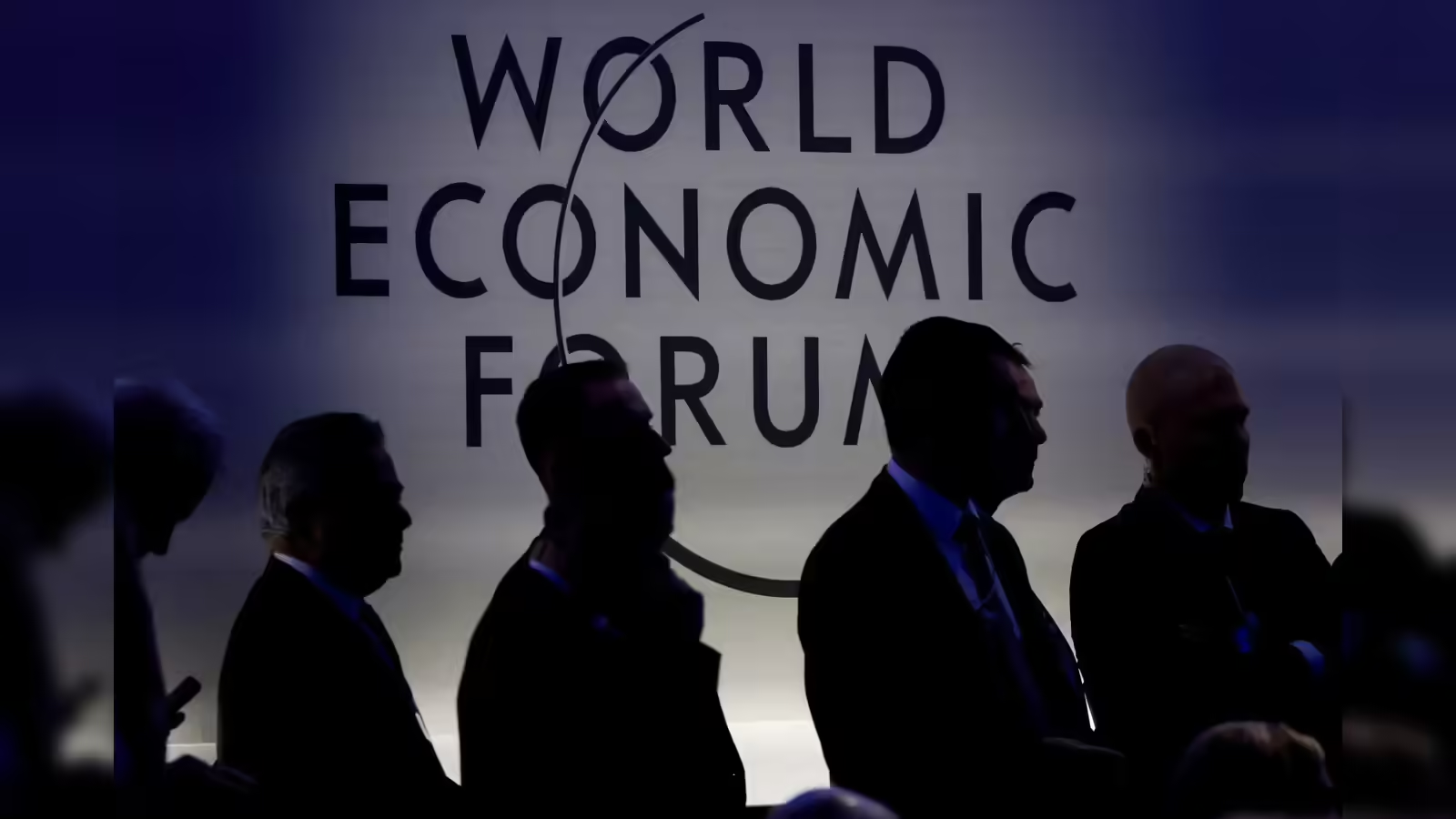
The WEF Annual Meeting provides India with a platform to showcase its growth story in a global context. From policy reforms and technological innovation to investment opportunities and sustainable development, India presents a multi-dimensional narrative. By combining political leadership, corporate presence, and innovation focus, the country reinforces its position as a stable and attractive destination for global capital.
India’s participation at Davos 2026 demonstrates the country’s readiness to lead in a rapidly changing world. It emphasizes collaboration, resilience, and innovation as key drivers of economic and social progress. By engaging with international stakeholders, India not only projects its economic ambitions but also contributes to shaping the global conversation on growth, technology, and sustainability.