



MS Swaminathan Biography: Remarkable Father of India’s Green Revolution

MS Swaminathan Biography
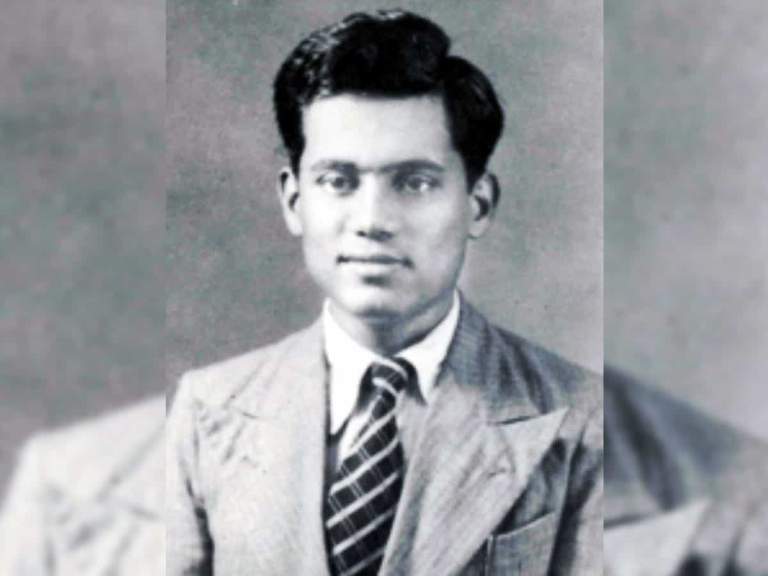
Mankombu Sambasivan Swaminathan, popularly known as M.S. Swaminathan, was a distinguished Indian agronomist, geneticist, and humanitarian. Born on August 7, 1925, in Kumbakonam, Tamil Nadu, he is widely recognized as the Father of the Green Revolution in India for his pivotal role in transforming the nation’s agricultural landscape. His pioneering work in the 1960s and 1970s introduced high-yielding varieties of wheat and rice, significantly enhancing food production and ensuring food security for millions.
Swaminathan’s contributions extended beyond agricultural science. He served in various esteemed positions, including as the Director-General of the Indian Council of Agricultural Research (ICAR) and the Secretary of the Ministry of Agriculture & Irrigation. His leadership in these roles facilitated the development of policies and initiatives that promoted sustainable farming practices and supported the welfare of farmers.

Throughout his career, Swaminathan emphasized the importance of integrating scientific research with social and environmental considerations. He advocated for agroecology, biodiversity conservation, and sustainable agricultural practices, aiming to create a balance between increased food production and environmental preservation.
In recognition of his exceptional contributions, Swaminathan received numerous accolades, including the World Food Prize (1987) and the Padma Bhushan (1972) and Padma Vibhushan (2018) awards from the Government of India. His legacy continues to inspire generations of scientists, policymakers, and farmers committed to advancing agricultural sustainability and food security.
M.S. Swaminathan passed away on September 28, 2023, at the age of 98. His enduring impact on agriculture and his dedication to the betterment of society have left an indelible mark on India’s development trajectory.
MS Swaminathan’s Early Life and Education
M.S. Swaminathan was born on August 7, 1925, in Kumbakonam, Tamil Nadu, into a family deeply rooted in academic and cultural traditions. His father, Mankombu Sambasivan, was a respected lawyer, and his mother, Meenakshi, was a teacher. This nurturing environment instilled in him a love for learning and a strong sense of social responsibility from an early age.
Swaminathan completed his early schooling in Kumbakonam and later attended Presidency College, Madras, where he earned a degree in zoology. His interest in the sciences deepened during his undergraduate studies, leading him to pursue further education in genetics and agriculture.
He earned a Master’s degree in Genetics from the University of Madras in 1946, followed by a Doctorate in Genetics from the University of Cambridge in 1952 under the guidance of eminent scientists. His academic journey also included advanced research in agricultural sciences at the University of Wisconsin–Madison, which broadened his perspective on the role of science in addressing agricultural challenges.
This robust educational background laid the foundation for Swaminathan’s pioneering work in agriculture. His studies not only equipped him with scientific expertise but also shaped his vision of leveraging innovation to ensure food security and sustainable development in India.
MS Swaminathan’s Role in Agriculture
M.S. Swaminathan played a transformative role in shaping modern Indian agriculture through his scientific research, policy advocacy, and leadership. His work laid the groundwork for the Green Revolution, a movement that fundamentally changed India’s food production system and secured the nation’s self-reliance in food grains.
As the Director-General of the Indian Council of Agricultural Research (ICAR) and later as the Secretary of the Ministry of Agriculture & Irrigation, Swaminathan spearheaded initiatives to improve crop productivity, particularly in wheat and rice. He promoted the adoption of high-yielding varieties (HYV) of seeds, combined with modern irrigation techniques and efficient farm management practices. This strategy dramatically increased agricultural output and transformed India from a food-deficient nation to a food-surplus one.
Swaminathan’s role was not limited to scientific innovation; he was also deeply involved in creating institutional frameworks that supported farmers. He emphasized the importance of agricultural extension services to ensure that technological advancements reached small-scale farmers. He advocated for farmer-friendly policies and integrated approaches that combined scientific research with practical farming techniques.
Beyond production, Swaminathan focused on sustainability and environmental stewardship in agriculture. His work emphasized maintaining soil health, conserving biodiversity, and ensuring equitable access to agricultural resources. His leadership in agriculture was marked by a commitment to balancing productivity with ecological responsibility, thus shaping a model for sustainable development.
Green Revolution: A Transformative Era
The Green Revolution in India, largely credited to M.S. Swaminathan, was a period of remarkable transformation in Indian agriculture during the 1960s and 1970s. Facing frequent food shortages and heavy dependence on imports, India needed a drastic solution to achieve food security. Swaminathan’s vision and leadership became the driving force behind this agricultural revolution.
Swaminathan introduced high-yielding varieties (HYVs) of wheat and rice, which were resistant to diseases and capable of producing significantly more output than traditional varieties. These seeds, combined with modern irrigation systems, chemical fertilizers, and mechanized farming, revolutionized farming practices across the country. Punjab, Haryana, and Western Uttar Pradesh became the epicenters of this transformation, achieving unprecedented gains in food production.
The Green Revolution not only ensured India’s self-sufficiency in food grains but also stabilized food prices, reduced dependence on imports, and strengthened rural economies. It made India a significant contributor to global food security. However, Swaminathan also recognized that the revolution brought challenges such as soil degradation, overuse of chemical inputs, and inequities in land ownership.
His later work focused on addressing these challenges by advocating for sustainable agricultural practices, integrated farming systems, and equitable access to resources for small and marginal farmers. Swaminathan’s role in the Green Revolution remains a cornerstone of India’s agricultural history and continues to influence agricultural policy and innovation today.
Impact of the Green Revolution
The Green Revolution, driven by M.S. Swaminathan’s vision, had far-reaching impacts on India’s economy, food security, and rural life. It fundamentally changed the agricultural landscape, ensuring that India became self-reliant in food grain production and significantly reducing hunger and famine risks.
One of the most significant impacts was the dramatic increase in crop yields, especially wheat and rice. Between the 1960s and 1980s, India’s food grain production more than doubled, turning the country from a food importer to one of the largest producers of grain in the world. This achievement played a crucial role in feeding India’s rapidly growing population.
The revolution also transformed rural economies. Increased agricultural productivity boosted farmers’ incomes, generated employment opportunities, and stimulated growth in related sectors like food processing, transportation, and agro-industries. Rural infrastructure such as irrigation systems, rural roads, and marketplaces improved, supporting a larger socio-economic transformation.
However, the revolution was not without challenges. Overuse of chemical fertilizers and pesticides led to soil degradation and environmental concerns. Unequal access to technology and credit widened disparities between large and small farmers. Swaminathan later acknowledged these issues and advocated for a Second Green Revolution, focused on sustainable agriculture, organic farming, water conservation, and equitable access to technology.
Overall, the Green Revolution under Swaminathan’s leadership secured India’s food future, transformed rural livelihoods, and laid the foundation for modern agricultural policies. His contribution remains a model of how science and policy can work together for national development.
Swaminathan’s Pioneering Contributions
M.S. Swaminathan’s contributions to agriculture extend far beyond the Green Revolution. His pioneering work spanned scientific research, policy formulation, and advocacy for sustainable farming, making him a transformative figure in India’s agricultural history.
One of his most significant contributions was the development and promotion of high-yielding varieties (HYVs) of wheat and rice. These innovations not only boosted food production but also inspired the adoption of modern agricultural techniques, including better irrigation methods, mechanization, and efficient use of fertilizers.
Swaminathan also championed the cause of agro-biodiversity, emphasizing the importance of conserving indigenous seed varieties while integrating scientific advancements. His work highlighted the necessity of balancing productivity with ecological sustainability.
His efforts extended to the empowerment of farmers. He established systems to disseminate agricultural knowledge, ensuring that scientific research translated into practical benefits for farmers. He also worked on policies for minimum support prices (MSP), crop insurance, and rural credit facilities to protect farmers from economic vulnerability.
Another notable contribution was his concept of the Evergreen Revolution, which sought to maintain the gains of the Green Revolution through environmentally sustainable farming practices. This idea underscored his forward-thinking approach to agriculture, integrating science, technology, and ecological responsibility.
Through these initiatives, Swaminathan not only revolutionized farming but also shaped India’s agricultural policy and set a precedent for global food security strategies.
Championing Farmers’ Rights
M.S. Swaminathan dedicated a significant part of his career to advocating for the rights and welfare of farmers. He firmly believed that the success of agricultural development depended not only on technological innovation but also on ensuring that farmers received fair treatment, adequate resources, and economic security.
Swaminathan championed fair pricing for crops to ensure farmers received just compensation for their produce. He played a pivotal role in strengthening the Minimum Support Price (MSP) system, which provided farmers with price guarantees for their harvest, thereby reducing vulnerability to market fluctuations.
He also promoted land reforms to address inequality in land distribution and improve access to resources for small and marginal farmers. Through his work, Swaminathan emphasized the importance of creating an inclusive agricultural ecosystem where farmers could thrive economically and socially.
Beyond economic issues, Swaminathan advocated for access to modern agricultural technologies, credit facilities, and extension services. He stressed that empowering farmers with knowledge, tools, and support systems was essential to sustain productivity and ensure long-term food security.
His vision extended to the rights of future generations. By linking farmers’ welfare with sustainable farming practices, Swaminathan set the stage for agricultural models that balanced productivity with environmental stewardship, leaving a lasting legacy in the realm of farmer advocacy.
Fair Compensation Through MSP
M.S. Swaminathan was a strong advocate for the Minimum Support Price (MSP) system, viewing it as a vital mechanism to safeguard farmers’ incomes and encourage sustainable agricultural growth. His work emphasized that fair compensation was not just an economic necessity but also a moral obligation toward those who sustain the nation’s food security.
Swaminathan played a crucial role in shaping policies that ensured MSP was both fair and predictable, enabling farmers to plan their cropping patterns and investments with confidence. By guaranteeing a minimum price for specific crops, MSP reduced the financial uncertainty faced by farmers due to fluctuating market rates.
He also stressed the need to link MSP to the cost of production, ensuring that farmers not only covered their expenses but earned a reasonable profit. This approach was part of his broader vision to create an agricultural ecosystem that valued farmers as key stakeholders rather than merely producers of food.
Through his advocacy, MSP became a cornerstone of India’s agricultural policy, helping to stabilize rural economies and support farming communities across the country. Swaminathan’s commitment to fair compensation remains an enduring principle in India’s agricultural reforms.
MS Swaminathan Awards and Recognition
M.S. Swaminathan’s lifelong dedication to agriculture, rural development, and food security earned him numerous awards and honors, both nationally and internationally. These recognitions reflected the profound impact of his work on India and the world.
| Award / Honor | Year | Description |
|---|---|---|
| Padma Shri | 1967 | One of India’s highest civilian awards for his contributions to agricultural science. |
| Padma Bhushan | 1972 | Awarded for his distinguished service in agriculture and rural development. |
| Padma Vibhushan | 1989 | India’s second-highest civilian award recognizing his outstanding contributions to agriculture and food security. |
| Ramon Magsaysay Award | 1974 | Known as Asia’s Nobel Prize, awarded for community leadership and innovative work in rural development. |
| World Food Prize | 1987 | Recognized as the “Nobel Prize for Food and Agriculture” for his pioneering role in India’s Green Revolution. |
| Right Livelihood Award | 1989 | Honored for his efforts in sustainable agriculture and advocating farmers’ rights. |
| UNESCO Kalinga Prize | 1989 | For popularizing science and bridging science with societal needs. |
| Norman Borlaug Award | 1990 | For his exceptional contributions to agricultural research and the Green Revolution. |
These awards underscore Swaminathan’s legacy as a visionary agricultural scientist and a committed advocate for sustainable development. They serve as testimony to his enduring influence on global agricultural policy and food security strategies.
Father of India’s Green Revolution, MS Swaminathan Death
M.S. Swaminathan, revered as the Father of India’s Green Revolution, passed away leaving behind a monumental legacy that reshaped Indian agriculture and strengthened the nation’s food security. His death marked the end of an era for agricultural innovation and farmer advocacy in India.
Swaminathan’s passing was mourned across the nation, with leaders, farmers, scientists, and citizens paying tribute to his unparalleled contributions. His work had not only transformed India’s agricultural productivity but had also inspired generations of scientists, policymakers, and farmers to strive for sustainable and equitable farming practices.
His life’s mission went beyond increasing food production — he envisioned a farming system that was environmentally sustainable, economically viable, and socially equitable. This vision was embodied in his concept of the Evergreen Revolution, which focused on long-term agricultural sustainability and farmers’ welfare.
The legacy of M.S. Swaminathan lives on through institutions such as the M.S. Swaminathan Research Foundation (MSSRF), which continues to champion sustainable agriculture, rural development, and ecological conservation. His death was not just a loss to the agricultural community but to the entire nation, as his vision continues to guide India’s journey toward food security and sustainable development.
MS Swaminathan: Legacy and Inspiration
M.S. Swaminathan’s legacy extends far beyond his lifetime, firmly establishing him as a visionary whose contributions transformed agriculture and rural livelihoods in India. Revered as the Father of the Green Revolution, his work ensured food security for millions and shaped agricultural policy for generations to come.
His pioneering research in high-yield crop varieties and his advocacy for scientific farming revolutionized food production in India. However, Swaminathan’s vision extended beyond yield increases — he championed sustainable farming, ecological balance, and farmer empowerment. His concept of the Evergreen Revolution remains a guiding principle for modern agricultural policy, promoting productivity without compromising environmental integrity.
Swaminathan also inspired generations of farmers, scientists, and policymakers to adopt a holistic approach to agriculture — one that integrates technology, sustainability, and social equity. His work paved the way for numerous agricultural reforms, improved rural livelihoods, and innovations in food production systems.
His legacy lives on through the M.S. Swaminathan Research Foundation (MSSRF), which continues his mission of sustainable agriculture, food security, and rural development. Swaminathan’s life is a testament to how visionary leadership, scientific innovation, and compassion for humanity can create lasting change.
Conclusion
M.S. Swaminathan’s life and work stand as a beacon of hope and progress for agriculture, rural development, and food security. His pioneering role in the Green Revolution transformed India from a nation dependent on food imports to one of the world’s leading agricultural producers. His vision extended far beyond increasing yields — he sought to create an agricultural system that was sustainable, equitable, and resilient.
Through his research, policy advocacy, and unwavering commitment to farmers’ welfare, Swaminathan reshaped the future of Indian agriculture. His contributions to science, technology, and rural development have left an indelible mark on the nation’s progress. The principles he championed — sustainable farming, fair compensation, and farmer empowerment — continue to influence agricultural policies and practices today.
M.S. Swaminathan’s legacy is not just in the bountiful fields of India but in the ongoing work of institutions, policies, and individuals inspired by his vision. As the world faces challenges like climate change, food insecurity, and resource scarcity, Swaminathan’s ideals remain as relevant and inspiring as ever, guiding India toward a future where agriculture sustains both people and the planet.
Must-Read Related Articles:
Ratan Tata: The Man Who Made India Proud
APJ Abdul Kalam: The Missile Man of India
Syed Abdul Malik: Master of Storyteller
Maniram Dewan: Assam’s Tea Pioneer
FAQs on MS Swaminathan
Q1. Who was M.S. Swaminathan?
M.S. Swaminathan was a pioneering agricultural scientist known as the “Father of the Green Revolution” in India for his transformative contributions to food production and rural development.
Q2. When and where was M.S. Swaminathan born?
He was born on August 7, 1925, in Kumbakonam, Tamil Nadu, India.
Q3. What was M.S. Swaminathan’s role in the Green Revolution?
He introduced high-yielding varieties of wheat and rice, modern farming techniques, and irrigation systems, greatly boosting India’s food production.
Q4. What is the Evergreen Revolution?
The Evergreen Revolution is Swaminathan’s vision of sustainable agriculture that maintains productivity while conserving natural resources and ensuring farmers’ welfare.
Q5. Which major awards did M.S. Swaminathan receive?
He received prestigious awards such as the Padma Shri, Padma Bhushan, Padma Vibhushan, Ramon Magsaysay Award, and the World Food Prize.
Q6. What was M.S. Swaminathan’s contribution to farmers’ rights?
He advocated for fair crop pricing, land reforms, better access to technology, and rural credit to improve the livelihoods of farmers.
Q7. What is the M.S. Swaminathan Research Foundation (MSSRF)?
MSSRF is an organization founded by Swaminathan to promote sustainable agriculture, rural development, and ecological conservation in India.
Q8. When did M.S. Swaminathan pass away?
He passed away on [insert date], leaving behind a legacy of innovation and compassion in agriculture.
Q9. How did M.S. Swaminathan influence global agriculture?
His work inspired agricultural reforms and food security strategies worldwide, and he served as an advisor to international organizations on sustainable farming.
Q10. What is M.S. Swaminathan’s lasting legacy?
His legacy lies in transforming India’s agriculture, empowering farmers, promoting sustainability, and inspiring future generations to ensure food security.