National Symbols of India: Flag, Emblem, Anthem, and More

National symbols represent the identity, culture, and values of a country. India has several important national symbols such as the National Flag, State Emblem, National Anthem, National Song, National Calendar, National Animal, and National Bird. These symbols remind us of our history, unity, and pride as Indians. Each symbol has a special meaning and follows certain rules for its use. They help people feel connected to the nation and show respect for the country.
Thank you for reading this post, don't forget to subscribe!National Flag of India
The National Flag of India has three colors and a special symbol in the center. In the middle of the white stripe, there is a navy blue Ashoka Chakra. This wheel has 24 equally spaced spokes. The Chakra must be clearly visible on both sides of the flag.
The flag follows a 3:2 ratio, which means the length of the flag is three times its height divided by two.
India’s National Flag was officially adopted on July 22, 1947, by the Constituent Assembly of India, just before the country became independent.
There are certain laws that guide how the flag should be used and respected. These include:
- Emblems and Names (Prevention of Improper Use) Act, 1950
- Prevention of Insults to National Honour Act, 1971
- Flag Code of India, 2002
The Flag Code of India, 2002 brings together all the rules and traditions related to the use of the National Flag. People are allowed to display the flag in public or private places, but they must follow the rules mentioned in these laws.
State Emblem of India
The State Emblem of India is taken from the Lion Capital of Ashoka, which is located at Sarnath in Uttar Pradesh.
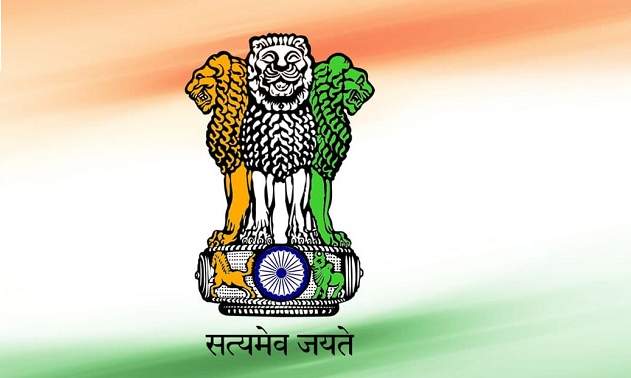
The emblem shows four lions standing back-to-back on a round base called an abacus. However, when we see the emblem in pictures, only three lions are visible, while the fourth lion is hidden at the back.
On the circular base below the lions, there are four animals carved in sculpture:
- An elephant
- A galloping horse
- A bull
- A lion
These animals are separated by Dharma Chakras (Ashoka Chakras).
The base of the emblem rests on a bell-shaped lotus, which represents purity and beauty.
Below the lions, there is the national motto written in Devanagari script:
“Satyameva Jayate”
This means “Truth Alone Triumphs.”
The State Emblem is the official symbol of the Government of India. Its use is controlled by two important laws:
- State Emblem of India (Prohibition of Improper Use) Act, 2005
- State Emblem of India (Regulation of Use) Rules, 2007
These laws make sure that the emblem is used only for official purposes and with respect.
National Anthem of India
The National Anthem of India is “Jana Gana Mana.”
This song was originally written in Bengali (Bangla) by the famous poet Rabindranath Tagore.
The Hindi version of the song was adopted as the National Anthem of India on January 24, 1950.
The song was first sung on December 27, 1911, during the Calcutta session of the Indian National Congress.
The full song is longer, but during official events, only the first stanza is used as the National Anthem.
Whenever the National Anthem is played, people should stand up to show respect to the nation.
National Song of India
The National Song of India is “Vande Mataram.”
This song was written by Bankim Chandra Chatterji in Sanskrit. It became very popular during the Indian freedom struggle and inspired many freedom fighters.
“Vande Mataram” was first sung at the 1896 session of the Indian National Congress.
Although “Jana Gana Mana” is the National Anthem, the song “Vande Mataram” is given equal respect and importance in Indian history and culture.
The words “Vande Mataram” mean “I bow to thee, Mother,” referring to Mother India.
National Calendar of India
India also has an official National Calendar, which is based on the Saka Era.
In this calendar:
- The first month is Chaitra.
- A normal year has 365 days, just like the Gregorian calendar.
The National Calendar was officially adopted on March 22, 1957.
It is used along with the Gregorian calendar for important government purposes such as:
- The Gazette of India
- News broadcasts of All India Radio
- Government calendars
- Official communications
The National Calendar is linked with the Gregorian calendar in a fixed way:
- 1 Chaitra falls on March 22 in normal years
- 1 Chaitra falls on March 21 in leap years
This system helps both calendars work together smoothly.
National Animal and National Bird of India
India has chosen certain animals and birds to represent the country’s natural heritage.
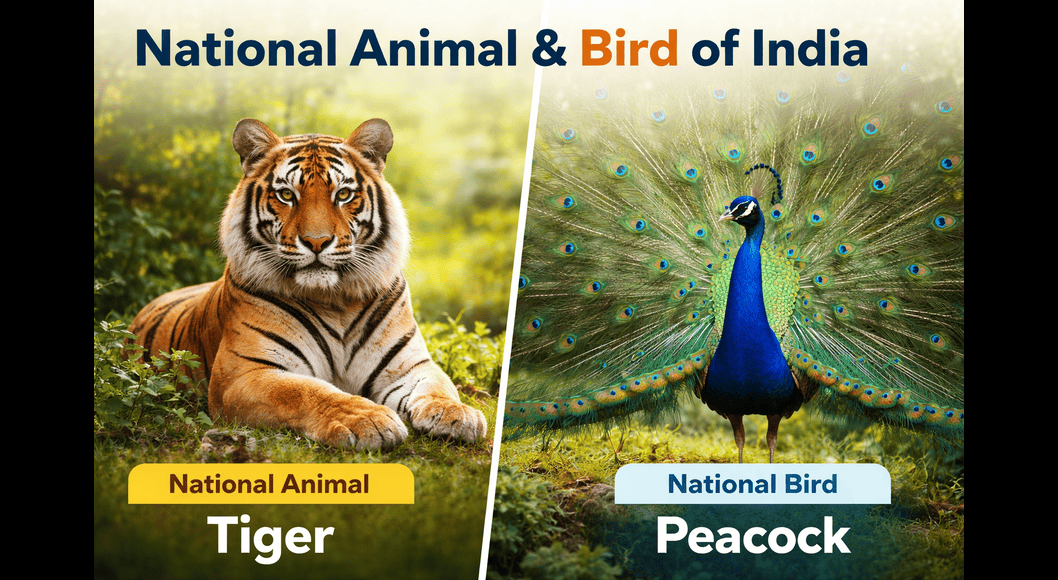
The National Animal of India is the Tiger.
The tiger represents strength, courage, and power.
The National Bird of India is the Peacock.
The peacock is known for its beautiful feathers and graceful appearance, and it is also connected with Indian culture and traditions.
In 2011, the Ministry of Environment and Forests officially re-notified the Tiger as the National Animal and the Peacock as the National Bird of India.
Both animals are protected by laws and conservation programs to help preserve India’s wildlife.
National Flower of India – Lotus
The National Flower of India is the Lotus. It is a beautiful flower that grows in ponds, lakes, and slow-moving water. The lotus is known for its large pink or white petals and round green leaves.
One special thing about the lotus is that it grows in muddy water but still blooms clean and beautiful. Because of this, the lotus represents purity, beauty, hope, and spiritual growth.
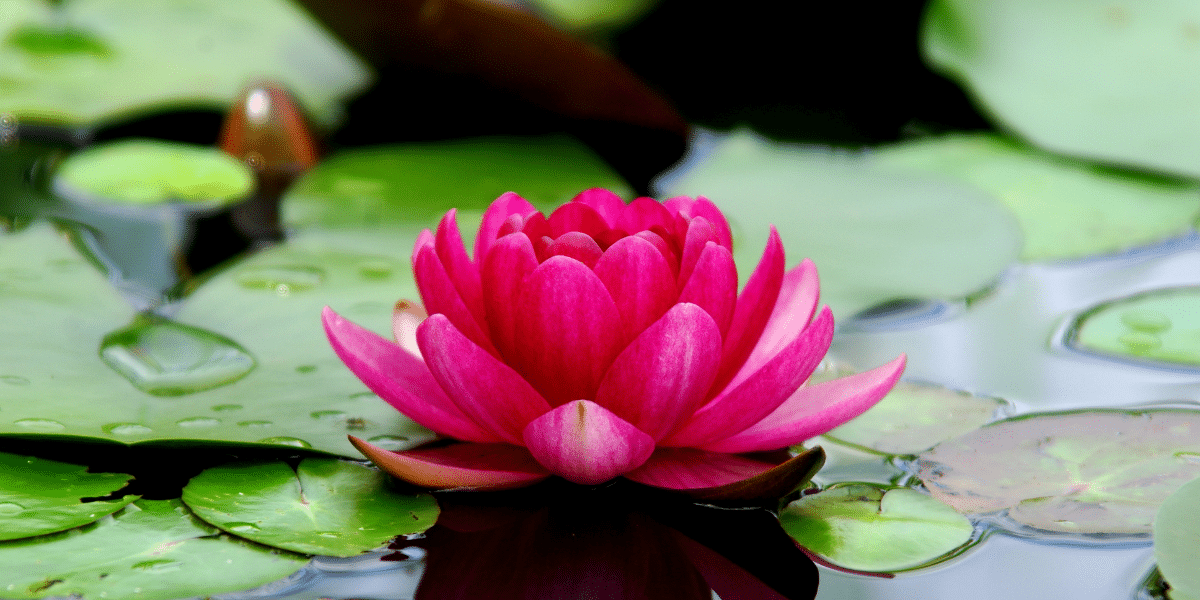
The lotus also has an important place in Indian culture, religion, and art. It is often seen in ancient temples, paintings, and sculptures. In Hinduism and Buddhism, many gods and goddesses are shown sitting or standing on a lotus flower.
Because of its cultural and spiritual importance, the lotus was chosen as the National Flower of India. It represents the country’s traditions and natural beauty.
National Fruit of India – Mango
The National Fruit of India is the Mango. It is one of the most popular and loved fruits in the country.
Mangoes are known for their sweet taste, rich flavor, and juicy pulp. They grow mainly during the summer season and are widely cultivated across India.
India produces many varieties of mangoes, such as:
- Alphonso
- Dasheri
- Langra
- Himsagar
- Kesar
The mango has been grown in India for more than 4,000 years and is often called the “King of Fruits.”
Mangoes are used in many foods such as:
- Juices
- Pickles
- Desserts
- Ice creams
The fruit also appears in Indian art, literature, and traditions, which makes it an important cultural symbol of the country.
Conclusion:
The national symbols of India are very important because they represent the country’s traditions, values, and unity. The National Flag, State Emblem, National Anthem, and other symbols remind us of India’s rich history and culture. As citizens, it is our duty to respect and honor these symbols. By understanding their meaning and importance, we can feel proud of our nation and help preserve its dignity for future generations.
FAQs
1. What are the main national symbols of India?
The main national symbols of India include the National Flag, State Emblem, National Anthem, National Song, National Calendar, National Animal (Tiger), and National Bird (Peacock).
2. When was the National Flag of India adopted?
The National Flag of India was adopted on July 22, 1947, by the Constituent Assembly of India.
3. What does the Ashoka Chakra in the National Flag represent?
The Ashoka Chakra has 24 spokes and represents law, progress, and movement in life.
4. What is the National Anthem of India?
The National Anthem of India is “Jana Gana Mana,” written by Rabindranath Tagore.
5. What is the National Song of India?
The National Song of India is “Vande Mataram,” written by Bankim Chandra Chatterji.
6. What is the National Animal of India?
The Tiger is the National Animal of India.
7. Which bird is the National Bird of India?
The Peacock is the National Bird of India.
8. What is the motto written below the State Emblem of India?
The motto is “Satyameva Jayate,” which means “Truth Alone Triumphs.”