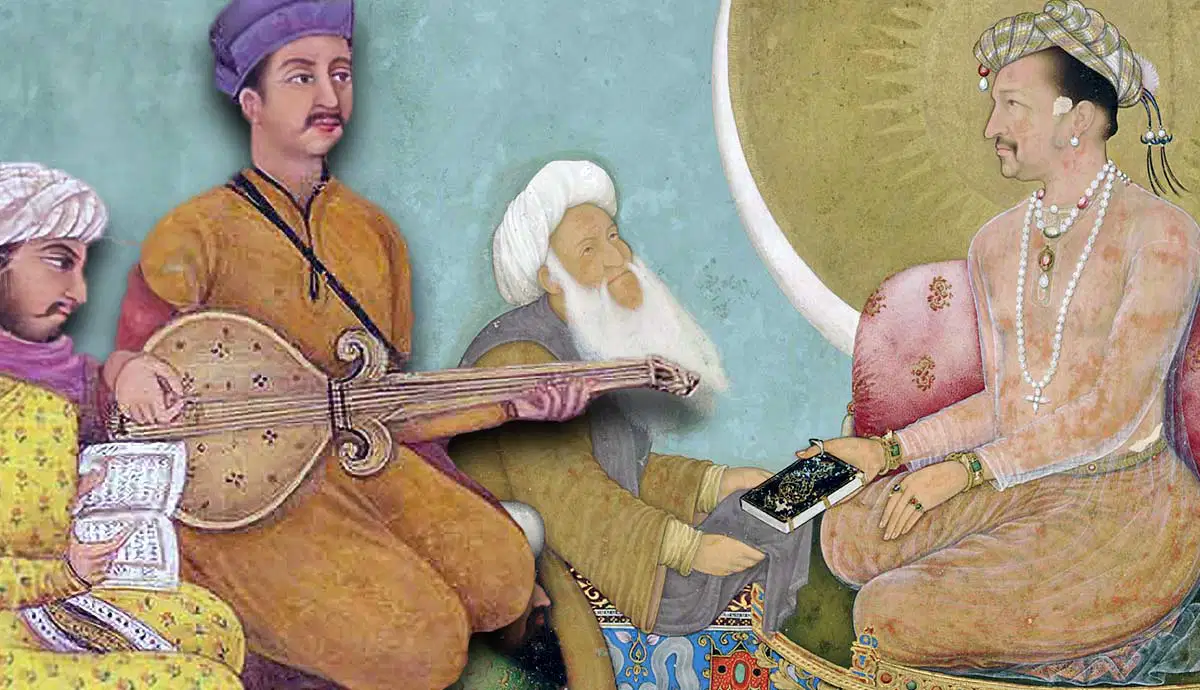
The Sufi Movement in India: History, Orders, Teachings and Importance

The Sufi Movement in India was one of the most influential spiritual movements during the medieval period. It spread the message of love, peace, tolerance, and devotion to God. Sufi saints believed that the best way to reach God is through love for humanity and spiritual purity.
Thank you for reading this post, don't forget to subscribe!The movement helped reduce tensions between different religions and encouraged unity and brotherhood in society. The teachings of the Sufi saints attracted people from different communities, including Hindus and Muslims. Their ideas also influenced Indian culture, music, literature, and social life.
What is Sufism?
Sufism is the mystical branch of Islam that focuses on personal experience of God through devotion, love, and spiritual practices.
The word Sufi is believed to come from the Arabic word “Suf”, which means wool. Early Sufi saints used to wear simple woolen clothes to show their detachment from worldly life.
By the 11th century, Sufism had developed into a strong spiritual movement across the Islamic world.
Main Beliefs of Sufism
Sufism teaches that the relationship between God and human beings is based on love. Sufis believed that the soul can become closer to God through spiritual discipline and guidance from a teacher.
Some important ideas of Sufism include:
- Love and devotion to God
- Spiritual guidance from a Pir or Murshid
- Purity of heart and soul
- Service to humanity
- Detachment from worldly wealth and power
- Tolerance towards all religions
Sufis believed that the highest form of devotion to God is serving people and helping the poor.
Important Terms in Sufism
Understanding some important terms helps in learning about the Sufi movement.
| Term | Meaning |
|---|---|
| Pir / Murshid | Spiritual teacher or guide |
| Murid | Disciple who follows the spiritual path |
| Khanqah | Sufi monastery where saints and disciples lived |
| Silsilah | Spiritual order or chain of teachers |
| Dargah | Tomb or shrine of a Sufi saint |
| Ziyarat | Pilgrimage to a Sufi shrine |
| Sama | Spiritual music gathering |
| Qawwali | Devotional music sung in Sufi gatherings |
| Maqamat | Different spiritual stages of a disciple |
Origin and Spread of Sufism
Sufism first developed in the Islamic world during the 8th and 9th centuries.

By the 10th century, it had spread across many regions of the Islamic empire such as:
- Iran
- Khurasan
- Transoxiana
- Egypt
- Syria
- Baghdad
These places became important centres of Sufi learning.
Sufi saints later travelled to Central Asia and the Indian subcontinent, where their teachings gained great popularity.
Beginning of the Sufi Movement in India
The Sufi movement began in India around the 11th century AD. Many Sufi saints came from Central Asia and Persia to spread their teachings.
They settled in different parts of India and established Khanqahs, which became centres for spiritual teaching, charity, and social service.
These centres attracted people from all communities because Sufi saints spoke in simple language and welcomed everyone regardless of religion or caste.
Features of the Sufi Movement in India
The Sufi movement in India had several important characteristics that made it different from traditional religious practices.
1. Organisation into Silsilahs
Sufis were organised into spiritual groups called Silsilahs (orders). Each order followed the teachings of a particular Sufi master.
2. Importance of the Spiritual Guide
Sufis believed that a person cannot reach God without the guidance of a Pir or Murshid. The teacher guided disciples through different stages of spiritual growth.
3. Role of Khanqahs
The Khanqah was the centre of Sufi life. Sufi saints and their disciples lived together in these places.
Khanqahs were not only places for worship but also centres for:
- Teaching spiritual knowledge
- Feeding the poor
- Helping travellers
- Discussing religious ideas
4. Use of Music
Many Sufis believed that music and poetry help people feel closer to God.
Spiritual gatherings called Sama were organised where devotional songs were sung. From this tradition, the famous musical form Qawwali developed.
5. Pilgrimage to Dargahs
After the death of a Sufi saint, his tomb became a Dargah. People visited these shrines to offer prayers and seek blessings. This practice is called Ziyarat.
Many dargahs became important religious centres in India.
6. Belief in Miracles
Many Sufi saints were believed to have performed miracles. These stories increased their popularity among the people.
Major Sufi Orders in India
Sufi orders in India were divided into two types:
| Type | Meaning |
|---|---|
| Ba-Shara | Followed Islamic law (Shariat) |
| Be-Shara | Did not strictly follow Islamic law |
Several Sufi orders became popular in India.
The most important ones were:
- Chishti Order
- Suhrawardi Order
- Naqshbandi Order
- Qadri Order
The Chishti Order
The Chishti Silsilah was the most popular Sufi order in India.
Founder
Khwaja Muinuddin Chishti

He was born in 1142 AD and came to India around 1192 AD after the invasion of Muhammad Ghori. He settled in Ajmer, which became the centre of his teachings.
His shrine in Ajmer, known as Ajmer Sharif Dargah, is one of the most famous Sufi shrines in India.
Teachings of the Chishti Saints
The Chishti Sufis believed in:
- Love between God and humans
- Tolerance between religions
- Service to humanity
- Simple living
- Generosity towards the poor
They welcomed followers from all communities and spoke in local languages so that common people could understand their teachings.
Important Chishti Saints
Qutubuddin Bakhtiyar Kaki
He was a close disciple of Muinuddin Chishti and spread the teachings of the Chishti order in Delhi.
Baba Farid (Fariduddin Ganj-e-Shakar)
Baba Farid helped spread the Chishti order in Punjab and Haryana.
His Punjabi verses were so popular that some of them were included in the Guru Granth Sahib, the holy book of Sikhism.
Nizamuddin Auliya
Nizamuddin Auliya (1238–1325) was one of the greatest Sufi saints in India.
He lived in Delhi and witnessed the rule of seven Delhi Sultans, but he avoided contact with rulers.
His main teachings were:
- Love for all people
- Service to the poor
- Spiritual devotion
He regularly distributed food and clothes to poor people.
His famous disciple was Amir Khusrau, one of the greatest poets and musicians of medieval India.
The Suhrawardi Order
Founder
Shihabuddin Suhrawardi
In India, this order was introduced by Sheikh Bahauddin Zakariya.
| Feature | Details |
|---|---|
| Main Centre | Multan |
| Attitude towards rulers | Friendly |
| Key belief | Combination of scholarship and spirituality |
Unlike the Chishti saints, Suhrawardi saints maintained close relations with rulers and accepted gifts.
This order became strong in Punjab and Sindh.
The Naqshbandi Order
Founder
Khwaja Bahauddin Naqshbandi
This order became important in India during the Mughal period.
Important leaders of this order included:
- Sheikh Baqi Billah
- Shaikh Ahmad Sirhindi
Teachings
The Naqshbandi Sufis believed in:
- Strict observance of Islamic law (Shariat)
- Opposition to religious innovations
- Avoiding music and shrine worship
Shaikh Ahmad Sirhindi criticised some policies of Emperor Akbar, especially those that promoted religious tolerance.
He believed he was the Mujaddid (renewer) of Islam.
The Qadri Order
Founder
Sheikh Abdul Qadir
This order became popular mainly in Punjab.
| Feature | Details |
|---|---|
| Belief | Unity of existence (Wahdat-ul-Wajud) |
| Supported by | Mughal rulers |
Famous Saints
- Miyan Mir
- Shah Badakhshani
Miyan Mir was respected by Mughal princes Dara Shikoh and Jahanara.
Other Sufi Orders in India
Firdausi Order
This order was a branch of the Suhrawardi order.
- Founder: Shaikh Badruddin Samarqandi
- Important saint: Shaikh Sharfuddin Yahya Maneri
- Region: Bihar
Rishi Order
The Rishi Order developed in Kashmir.
Founder
Shaikh Nuruddin Wali
This order was influenced by local Kashmiri traditions and Shaivism. It became very popular among rural people.
Importance of the Sufi Movement in India
The Sufi movement made several important contributions to Indian society.
1. Promoted Religious Harmony
Sufi saints encouraged peace between Hindus and Muslims.
They believed that all religions teach love and devotion to God.
2. Encouraged Equality
Sufis believed that all human beings are equal in the eyes of God.
They rejected discrimination based on caste, wealth, or religion.
3. Helped the Poor and Needy
Sufi saints provided food, shelter, and support to poor people.
For example, Nizamuddin Auliya was famous for feeding thousands of people.
4. Exchange of Spiritual Ideas
There was interaction between Sufi saints and Indian yogis.
The famous yoga text Amrita Kunda was translated into Arabic and Persian.
5. Growth of Literature
Sufi saints played a major role in the development of regional languages and literature.
Many Sufi saints wrote poetry and spiritual texts in local languages.
| Saint | Language |
|---|---|
| Baba Farid | Punjabi |
| Hamiduddin Nagauri | Hindawi |
| Gesu Daraz | Deccani Hindi |
| Amir Khusrau | Persian and Hindawi |
6. Development of Music
Sufis contributed greatly to Indian music.
The devotional music style Qawwali became popular in Sufi gatherings.
Poetry and music were used to express love for God.
Sufism and the Concept of Unity
One of the most important ideas in Sufism is Wahdat-ul-Wajud, which means Unity of Being.
This philosophy was developed by the famous thinker Ibn-i-Arabi.
According to this idea:
- All beings are part of the same divine reality.
- Different religions are different paths to the same truth.
This idea became very popular in India because it matched the country’s tradition of religious tolerance.
Contribution of Amir Khusrau
Amir Khusrau (1252–1325) was a famous poet, scholar, and musician. He was a disciple of Nizamuddin Auliya.
His contributions include:
- Writing poetry in Persian and Hindawi
- Developing new musical styles
- Promoting Indian culture and traditions
He created a new literary style known as Sabaq-i-Hindi.
Conclusion
The Sufi Movement in India played an important role in shaping the spiritual and cultural life of medieval India. Sufi saints spread the message of love, tolerance, equality, and service to humanity.
Their teachings helped build bridges between different religions and communities. Through their Khanqahs, poetry, music, and charity, they brought comfort and hope to millions of people.
Even today, the shrines of Sufi saints across India attract people from all religions. The message of the Sufi movement love for God and compassion for humanity continues to inspire people in modern times.
FAQs on The Sufi Movement in India
1. What is the Sufi Movement in India?
The Sufi Movement in India was a spiritual movement that spread the message of love, peace, tolerance, and devotion to God. Sufi saints believed that people can reach God through love, prayer, and service to humanity.
2. What is Sufism?
Sufism is the mystical branch of Islam that focuses on the inner spiritual experience of God. Sufis believe that the path to God is through love, purity of heart, and devotion rather than only religious rituals.
3. When did the Sufi Movement start in India?
The Sufi Movement started in India around the 11th century AD when many Sufi saints from Central Asia and Persia came to the Indian subcontinent and began spreading their teachings.
4. Who was the founder of the Chishti Order in India?
The Chishti Order in India was founded by Khwaja Muinuddin Chishti, who came to India in the 12th century and settled in Ajmer, Rajasthan.
5. What is a Khanqah in Sufism?
A Khanqah is a place where Sufi saints and their disciples live, pray, and learn spiritual teachings. It also serves as a center for helping the poor and travelers.
6. What is a Dargah?
A Dargah is the tomb or shrine of a Sufi saint. People from different religions visit these shrines to offer prayers and seek blessings.
7. What are the major Sufi orders in India?
The major Sufi orders in India include:
- Chishti Order
- Suhrawardi Order
- Naqshbandi Order
- Qadri Order
These orders followed different teachings but all promoted spirituality and devotion to God.
8. Who was Nizamuddin Auliya?
Nizamuddin Auliya was one of the most famous Sufi saints of the Chishti Order. He lived in Delhi and taught the values of love, kindness, and service to humanity.
9. What is Qawwali in the Sufi tradition?
Qawwali is a form of devotional music performed in Sufi gatherings. It uses poetry and music to express love for God and spiritual devotion.
10. What was the importance of the Sufi Movement in India?
The Sufi Movement played an important role in Indian society by:
- Promoting religious harmony
- Encouraging equality and brotherhood
- Helping the poor and needy
- Contributing to literature, music, and culture