
Japan Stem Cell Therapy Parkinson’s Breakthrough Approved

Japan Stem Cell Therapy Parkinson’s marks a major breakthrough after Japan approved a revolutionary stem-cell treatment for Parkinson’s disease. The approval highlights the country’s leadership in regenerative medicine and advanced biomedical research. Along with this therapy, Japan has also cleared a stem-cell-based treatment for severe heart failure, potentially making them the first commercially available medical products developed from induced pluripotent stem (iPS) cells.
Thank you for reading this post, don't forget to subscribe!Stem Cell Treatment for Parkinson’s Disease
The Japan Stem Cell Therapy Parkinson’s treatment was developed by pharmaceutical company Sumitomo Pharma and is known as Amchepry. The therapy involves transplanting specially prepared stem cells directly into a patient’s brain.
Scientists grow these stem cells in the laboratory and convert them into early-stage dopamine-producing neurons. Parkinson’s disease occurs when these neurons gradually deteriorate, leading to symptoms such as tremors, stiffness, and difficulty in movement. By replacing the damaged cells, the treatment aims to restore dopamine production and improve motor function.
Japan approved the therapy under a conditional and time-limited framework. This system allows patients to access innovative treatments faster while researchers continue monitoring their long-term safety and effectiveness.
Clinical Trial Shows Positive Results
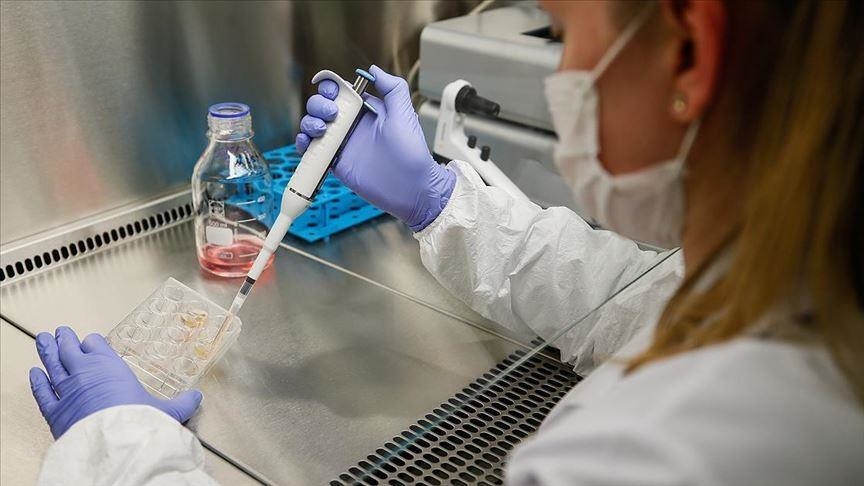
The Japan Stem Cell Therapy Parkinson’s therapy was tested in a clinical study conducted by researchers from Kyoto University. The trial included seven patients aged between 50 and 69 years.
Each patient received between five million and ten million stem-cell-derived neurons implanted into both sides of the brain. The participants were monitored for two years after the procedure.
Researchers reported no major adverse effects during the study, indicating the therapy’s safety. Four of the seven patients showed noticeable improvement in their symptoms, including better movement and reduced motor complications. These results suggest that stem-cell-based treatments could become an effective approach for managing neurodegenerative diseases.
iPS Cells and the Future of Medicine
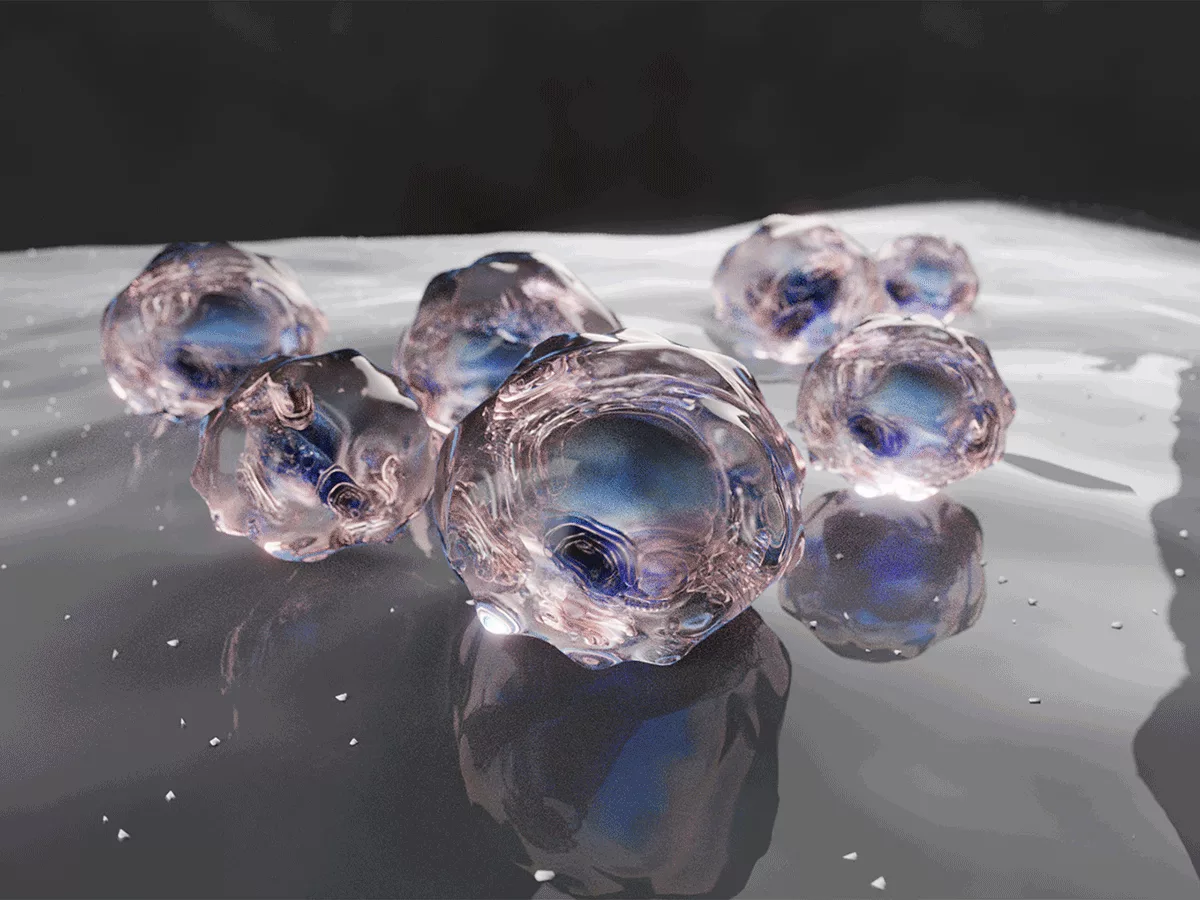
The Japan Stem Cell Therapy Parkinson’s breakthrough is based on induced pluripotent stem cells, commonly known as iPS cells. These cells are created by reprogramming mature adult cells into an early developmental state so they can develop into different types of human cells.
This technology was pioneered by Japanese scientist Shinya Yamanaka, who received the Nobel Prize in Physiology or Medicine in 2012. iPS cells provide major advantages because they avoid ethical concerns linked to embryonic stem cells and can be created from donor cells.
Stem Cell Therapy for Heart Failure
Along with the Japan Stem Cell Therapy Parkinson’s approval, Japan’s health ministry also approved another regenerative treatment called ReHeart. Developed by medical startup Cuorips, the therapy uses sheets of heart muscle cells derived from stem cells and placed on the heart’s surface.
These cell sheets help form new blood vessels and improve heart function in patients suffering from severe heart failure. The approval of both therapies represents a major advancement in regenerative medicine and could pave the way for wider use of stem-cell treatments in the future.