


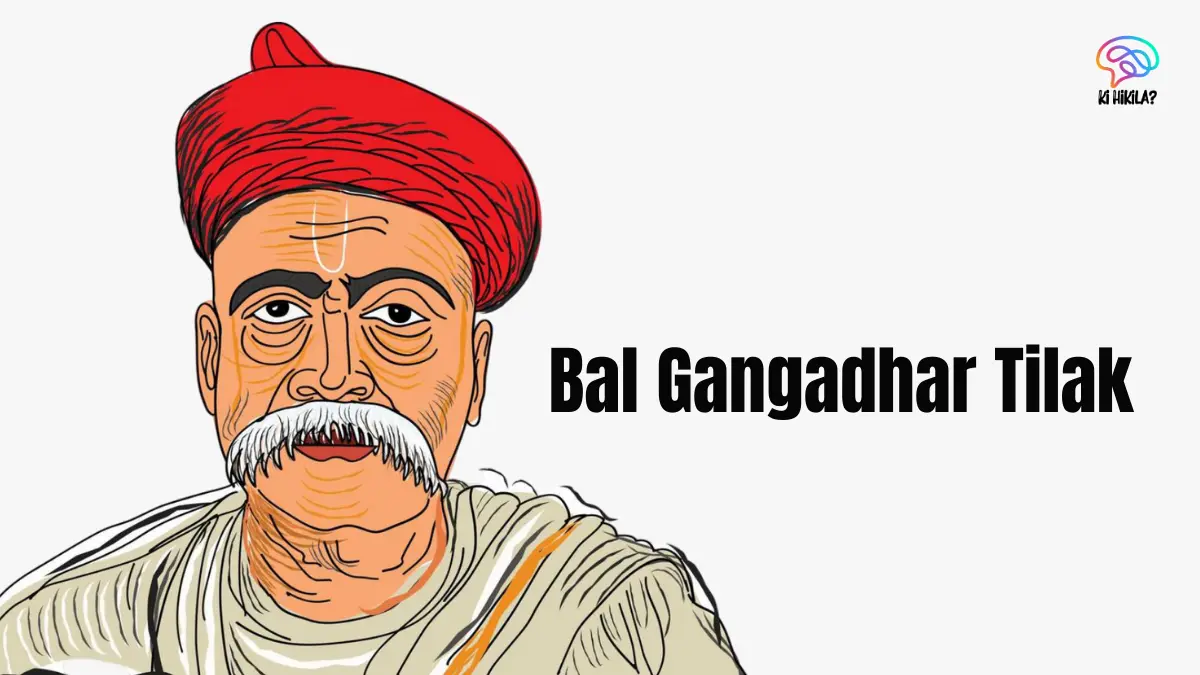
Bal Gangadhar Tilak: The Bold Freedom Fighter and Voice of Swaraj

Bal Gangadhar Tilak, revered as Lokmanya Tilak, stands as a towering figure in India’s independence movement. His bold nationalism, encapsulated in the iconic slogan “Swaraj is my birthright and I shall have it,” galvanized millions against British colonial rule. Celebrated as the “Father of Indian Unrest” by the British, Tilak’s life was marked by relentless activism, cultural revival, and unyielding courage. This biography delves into his journey, from his early years to his enduring legacy, with a special focus on his transformative imprisonment in Mandalay.
Thank you for reading this post, don't forget to subscribe!Early Life and Education of Bal Gangadhar Tilak
Born on July 23, 1856, in Ratnagiri, Maharashtra, Bal Gangadhar Tilak was raised in a Marathi Hindu Chitpavan Brahmin family. His father, Shri Gangadhar Tilak, a Sanskrit scholar and schoolteacher, and his mother, Parvati Bai Gangadhar, instilled strong cultural values. After his father’s death in 1872, a teenage Tilak faced early challenges, shaping his resilient spirit.
Academic Brilliance
Tilak excelled academically, earning a Bachelor of Arts in Mathematics with honors from Deccan College, Pune, in 1877. Initially pursuing a Master’s degree, he switched to law, obtaining an LL.B. from Government Law College in 1879. His intellectual rigor laid the groundwork for his later roles as a journalist and educator, amplifying his voice as an Indian freedom fighter.
Personal Life: Balancing Duty and Reform
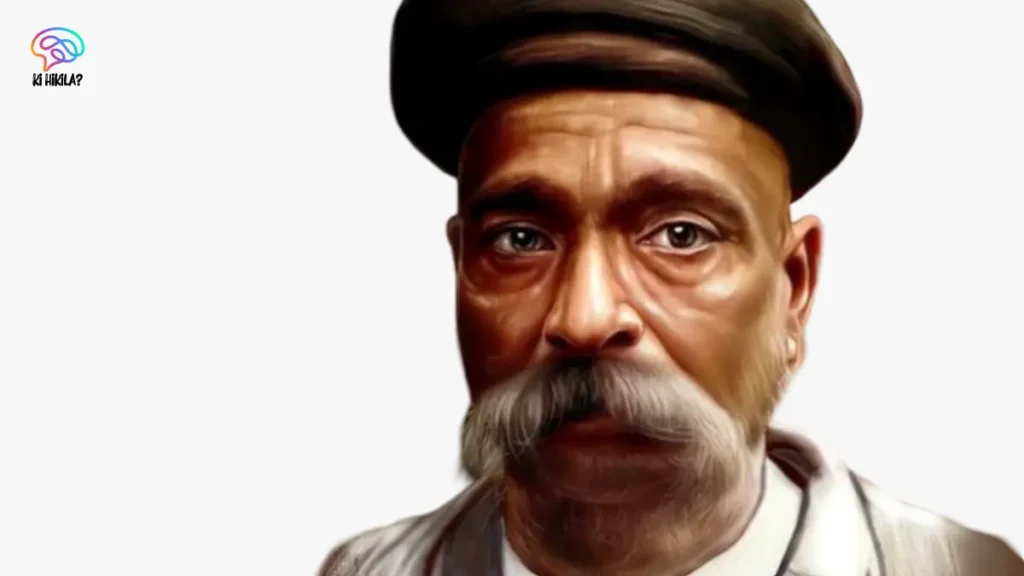
In 1871, at age 16, Bal Gangadhar Tilak married Satyabhamabai, adhering to the era’s traditions. The couple had three sons: Rambhau, Vishwanath, and Sridhar Balwant Tilak. Despite his conservative leanings, Tilak championed education for his daughters and delayed their marriages until they were at least 16, reflecting a progressive streak within his personal life.
Political Career: A Radical Voice for Swaraj
Joining the Indian National Congress (INC) in 1890, Bal Gangadhar Tilak challenged the party’s moderate approach to self-rule. Rejecting constitutional petitions, he advocated bold resistance, aligning with Lala Lajpat Rai and Bipin Chandra Pal to form the Lal-Bal-Pal trio, a radical force within the INC.
Swadeshi and Boycott Movements
Following the 1905 Partition of Bengal by Lord Curzon, Bal Gangadhar Tilak spearheaded the Swadeshi movement, promoting indigenous goods and boycotting British products. His newspapers, Kesari (Marathi) and The Mahratta (English), became powerful tools, earning him the British label “Father of Indian Unrest.” His fiery editorials fueled national awakening, cementing his role as a leading Indian freedom fighter.
Imprisonment in Mandalay: A Crucible of Resilience
One of the most defining chapters of Tilak’s life was his imprisonment in Mandalay, Burma (now Myanmar), from 1908 to 1914. Charged with sedition for his provocative writings in Kesari supporting revolutionary acts, including the bombing by Khudiram Bose, Tilak was sentenced to six years of rigorous imprisonment. The British aimed to silence him by exiling him far from India.
Life in Mandalay Prison
In Mandalay’s notorious prison, Tilak endured harsh conditions, including solitary confinement and limited access to writing materials. Despite this, his intellectual spirit remained unbroken. He used his time to pen Gita Rahasya, a philosophical commentary on the Bhagavad Gita, interpreting it as a call to action for national liberation. This work, smuggled out and published later, inspired countless Indians.
Impact on the Freedom Movement
Tilak’s imprisonment only amplified his stature. His trial, where he defended himself eloquently, and his stoic acceptance of the sentence galvanized public support. Protests erupted across India, and his absence strengthened the resolve of the extremist faction within the INC. The Mandalay years transformed Tilak into a symbol of sacrifice, further solidifying his legacy as a fearless Indian freedom fighter.
Cultural Revival: Uniting a Nation
To foster unity and patriotism, Tilak popularized Ganesh Chaturthi and Shivaji Jayanti as public festivals. These celebrations transcended caste and creed, rallying Indians around shared cultural pride. His efforts in Kesari and The Mahratta reinforced this cultural nationalism, making these platforms vital to the independence struggle.
Home Rule League and Political Alliances
Released from Mandalay in 1914, Tilak returned with renewed vigor, adopting a more strategic approach. In 1916, he co-founded the All India Home Rule League with Annie Besant, Joseph Baptista, and Muhammad Ali Jinnah, demanding self-governance. By 1917, the league had 32,000 members. The 1916 Lucknow Pact with Jinnah ensured Hindu-Muslim unity, a milestone in the fight for Swaraj.
Social Views: A Complex Perspective
While a fierce nationalist, Tilak held conservative views on social issues. He opposed untouchability reforms and modern education for women, believing Hindu women should prioritize domestic roles. Yet, he supported educating his daughters and endorsed raising the marriage age, showing a nuanced stance on reform.
Literary Contributions: Inspiring Generations
Tilak’s writings, including Gita Rahasya and his newspaper editorials, blended philosophy with nationalism. His interpretation of the Gita as a call to action influenced leaders like Mahatma Gandhi, while his journalism mobilized millions, making him a pivotal voice in India’s freedom struggle.
Death and Final Days
The 1919 Jallianwala Bagh massacre deeply affected Tilak, worsening his health amid diabetes. Despite his condition, he urged non-cooperation with the British. On August 1, 1920, he passed away in Mumbai, leaving a nation in mourning but inspired to continue the fight.
Legacy of Bal Gangadhar Tilak
Lokmanya Tilak’s legacy as an Indian freedom fighter endures. Dubbed the “Maker of Modern India” by Gandhi and “Father of the Indian Revolution” by Nehru, his promotion of Swadeshi and cultural festivals reshaped Maharashtra’s identity. Kesari remains in print, and his life inspires books, films, and memorials, cementing his role as a beacon of Swaraj.
Frequently Asked Questions About Bal Gangadhar Tilak
Who was Bal Gangadhar Tilak?
Bal Gangadhar Tilak was a prominent Indian freedom fighter, journalist, and nationalist who demanded Swaraj and led the INC’s extremist wing.
What was Tilak’s famous slogan?
“Swaraj is my birthright and I shall have it” became a rallying cry for India’s independence movement.
When and where was Tilak born?
He was born on July 23, 1856, in Ratnagiri, Maharashtra.
What happened during Tilak’s imprisonment in Mandalay?
From 1908 to 1914, he was exiled for sedition, enduring harsh conditions but writing Gita Rahasya, which inspired the freedom struggle.
Bal Gangadhar Tilak’s unwavering dedication to India’s freedom continues to inspire. Share your thoughts on this legendary figure below and explore more stories of India’s heroes on our site.