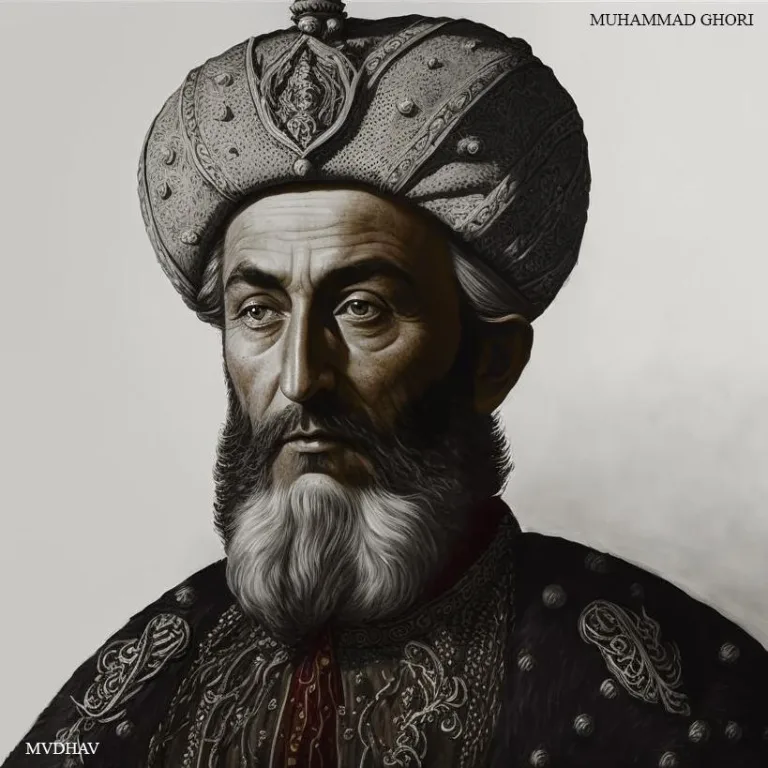




Veer Baburao Pullesur Shedmake: The Forgotten Tribal Hero of 1857

Veer Baburao Pullesur Shedmake
Veer Baburao Pullesur Shedmake, a valiant tribal leader of the Gond community, emerged as a fearless freedom fighter during India’s First War of Independence in 1857. Known for his strategic acumen and guerrilla warfare tactics, he led the Jangom Dal, a force of tribal warriors, against the British East India Company. Despite limited resources, his courage and leadership enabled him to win multiple battles, making him a symbol of tribal resistance and national pride.
| Attribute | Details |
|---|---|
| Full Name | Veer Baburao Pullesur Shedmake |
| Birth Date | 12 March 1833 |
| Birth Place | Kishtapur, Aheri Tehsil, Chanda District (now Gadchiroli, Maharashtra) |
| Community | Gond Tribe |
| Father’s Name | Pullesur Bapu |
| Mother’s Name | Jurja Kunwar |
| Title | King of Chandagarh, Rajgarh Riyasat |
| Movement Involved | Indian Rebellion of 1857 |
| Army Formed | Jangom Dal (Guerrilla force of tribal warriors) |
| Major Battles Fought | Nandgaon Ghosari, Sagnapur, Bamanpeth, Ghot, Chinchgondi |
| Tactics Used | Guerrilla warfare, use of bows, and terrain-based attacks |
| Capture | Betrayed by Laxmibai, Zamindar of Aheri, on 18 September 1858 |
| Death | 21 October 1858, Hanged in Chandrapur Jail |
| Legacy | Tribal hero, annual commemorations, postal stamp released in 2009 |
| Memorial | Peepal tree in front of Chandrapur Jail turned into a memorial |
| Known As | “Veer” Baburao – Symbol of tribal bravery and resistance |
Baburao Pullesur Shedmake: Early Life and Background
Veer Baburao Pullesur Shedmake was born on 12 March 1833 in Kishtapur, located in present-day Gadchiroli district, Maharashtra. He hailed from the Gond tribal community, known for its rich cultural heritage and strong warrior traditions. His father, Pullesur Bapu, and mother, Jurja Kunwar, raised him with values of courage, discipline, and loyalty to his people.

From a young age, Baburao displayed exceptional bravery and leadership qualities. Immersed in the local tribal traditions and aware of the growing discontent against British colonial rule, he developed a strong sense of justice and responsibility. These formative years shaped him into a resolute leader capable of mobilizing his community for armed resistance during the revolt of 1857.
Political Landscape and Rise of Dissent
During the mid-19th century, central India was marked by widespread dissatisfaction against British colonial rule, especially among tribal communities whose lands and resources were increasingly exploited. The Gond region, including areas of present-day Gadchiroli and Chandrapur, witnessed growing unrest due to oppressive taxation, forced labor, and interference in traditional governance by British authorities and local landlords.
Veer Baburao Pullesur Shedmake emerged as a prominent voice of dissent, uniting the Gond tribes under a common cause. Recognizing the need for organized resistance, he began mobilizing local warriors, building alliances, and preparing for guerrilla warfare. His deep understanding of the local terrain and tribal networks enabled him to strategically plan attacks against British forces, laying the groundwork for his leadership during the 1857 uprising.
Formation of the Jangom Dal
To effectively resist British forces, Veer Baburao Pullesur Shedmake established the Jangom Dal, a dedicated guerrilla force composed primarily of Gond tribal warriors. This unit was trained in forest-based warfare, utilizing bows, traditional weapons, and knowledge of the rugged terrain to execute swift and unexpected attacks against the colonial army.
The Jangom Dal was not only a military group but also a symbol of tribal unity and defiance, representing the collective aspirations of the Gond people for freedom and justice. Under Baburao’s leadership, the Dal carried out strategic raids on British outposts, disrupted supply lines, and resisted attempts at subjugation, demonstrating the power of organized tribal resistance during the 1857 uprising.
Baburao Pullesur Shedmake: Military Campaigns and Victories
Veer Baburao Pullesur Shedmake’s military campaigns during the 1857 uprising stand as a testament to his extraordinary leadership, strategic brilliance, and unwavering courage. After forming the Jangom Dal, he launched a series of coordinated attacks against British forces and their collaborators, often using guerrilla warfare tactics that leveraged the dense forests, hills, and rivers of central India. His campaigns were marked by swift raids, surprise ambushes, and targeted strikes, which repeatedly caught the colonial forces off guard.
Under his leadership, the Jangom Dal achieved several remarkable victories in key battles. These included confrontations at Nandgaon Ghosari, Sagnapur, Bamanpeth, Ghot, and Chinchgondi, where Baburao’s tactical use of terrain and intimate knowledge of local geography allowed his relatively small forces to outmaneuver larger, better-equipped British contingents. His ability to maintain high morale, coordinate attacks across dispersed regions, and inspire loyalty among his warriors made him a formidable opponent for the colonial authorities.
The campaigns were not just military engagements; they were symbolic acts of resistance, sending a powerful message that tribal communities could organize, fight, and challenge the might of the British Empire. Baburao’s resilience, daring strategies, and repeated successes made him a celebrated figure among the Gond people and a thorn in the side of British officials, who found it increasingly difficult to suppress his insurgent activities.
| Battle | Date | Outcome | Tactics Used |
|---|---|---|---|
| Nandgaon Ghosari | 1857 | Victory for Jangom Dal | Surprise ambush, forest cover |
| Sagnapur | 1857 | British forces repelled | Guerrilla attacks, strategic retreats |
| Bamanpeth | 1857 | Successful defense of tribal lands | Terrain-based attacks, night raids |
| Ghot | 1857 | Defeat of colonial troops | Coordinated strikes, quick mobilization |
| Chinchgondi | 1857 | Jangom Dal held position | Local intelligence, hit-and-run tactics |
Baburao’s military achievements not only disrupted British operations but also inspired widespread tribal participation in the rebellion, laying a foundation for further resistance across the region. His campaigns remain a symbol of tribal bravery, strategic ingenuity, and relentless commitment to India’s fight for freedom.
British Retaliation and Betrayal
The remarkable successes of Veer Baburao Pullesur Shedmake and his Jangom Dal inevitably provoked a fierce response from the British authorities, who were determined to reassert control over the rebellious Gond regions. British forces, frustrated by repeated ambushes and territorial losses, intensified military operations, deploying larger contingents and implementing harsh measures to suppress resistance.
Amid this pressure, Baburao’s network faced a critical challenge: betrayal from within. Laxmibai, a local Zamindar of Aheri, who initially appeared aligned with the rebels, secretly colluded with the British, undermining Baburao’s strategic position. Using misinformation and strategic deception, the British forces were able to track and corner Baburao, exploiting the betrayal to weaken the morale and organization of the Jangom Dal.
Despite being heavily outnumbered, Baburao’s leadership ensured that his forces continued to fight valiantly, employing guerrilla tactics, quick mobilizations, and hit-and-run attacks. However, the betrayal proved decisive: it allowed the British to capture Baburao on 18 September 1858, marking a tragic turning point in his struggle.
This episode underscores the complex dynamics of colonial resistance, where local politics, strategic alliances, and internal betrayals significantly influenced the outcomes of armed rebellions. Baburao’s capture, while a setback, did not erase his legacy; it instead highlighted his courage, the loyalty of his followers, and the enduring spirit of tribal defiance against colonial oppression.
Baburao Pullesur Shedmake: Trial and Execution
Following his capture on 18 September 1858, Veer Baburao Pullesur Shedmake was imprisoned by the British authorities and subjected to a summary trial. The colonial administration, determined to set an example and deter further tribal uprisings, moved swiftly to prosecute him for leading armed rebellion, orchestrating guerrilla attacks, and defying British rule.
During the trial, Baburao remained steadfast and unyielding, refusing to betray his allies or compromise the principles that guided his resistance. His bravery in court, composed demeanor, and unwavering commitment to the cause of freedom impressed even those who opposed him. The trial was short and heavily biased in favor of the colonial authorities, reflecting the British intent to swiftly quash dissent and intimidate other potential insurgents.
On 21 October 1858, Veer Baburao Pullesur Shedmake was hanged in Chandrapur Jail, making him a martyr for the cause of Indian independence. His execution marked the tragic culmination of his relentless struggle, but it could not extinguish the spirit of resistance he had ignited among the tribal communities. His legacy continued to inspire generations of freedom fighters, ensuring that his name would be remembered as a symbol of courage, defiance, and unshakable patriotism.
Aftermath and Continuing Resistance
The execution of Veer Baburao Pullesur Shedmake did not mark the end of resistance in the Gond regions; instead, it galvanized local communities and tribal warriors to continue the struggle against British oppression. Inspired by Baburao’s leadership and sacrifice, many of his followers carried on guerrilla operations, maintaining pressure on colonial forces and keeping the spirit of rebellion alive.
The British, despite their attempts to suppress uprisings through military campaigns and punitive measures, struggled to completely pacify the tribal regions, highlighting the resilience and determination of Baburao’s supporters. His leadership had created a legacy of organized tribal resistance, demonstrating that even a relatively small, well-coordinated force could challenge the might of the British East India Company.
Over time, Baburao’s life and deeds became legendary among the Gond people, passed down through oral histories, folk songs, and local traditions. The story of his valor and strategic genius served as an enduring inspiration for subsequent generations of freedom fighters, reinforcing the importance of tribal participation in India’s larger struggle for independence.
Baburao Pullesur Shedmake: Legacy and Memorials
Veer Baburao Pullesur Shedmake’s legacy continues to resonate as a symbol of tribal bravery, patriotism, and resistance against colonial oppression. Despite being relatively lesser-known in mainstream historical narratives, his contributions have been recognized in various forms over time.
Local communities honor his memory through annual commemorations, storytelling, and cultural events that celebrate his courage and leadership. In 2009, the Indian postal department released a commemorative stamp, officially acknowledging his role in India’s first war of independence. Additionally, a peepal tree in front of Chandrapur Jail, where he was executed, has been transformed into a memorial, serving as a poignant reminder of his sacrifice.
Baburao’s story also underscores the significant role of tribal communities in India’s freedom struggle, highlighting the collective resilience and strategic acumen of indigenous groups. Educational initiatives, books, and articles are gradually bringing his life and achievements into public awareness, ensuring that future generations recognize the valor and indomitable spirit of Veer Baburao Pullesur Shedmake, the forgotten tribal hero of 1857.
Conclusion
Veer Baburao Pullesur Shedmake remains a remarkable figure in India’s history, embodying courage, leadership, and the spirit of defiance against colonial oppression. From his early life in the Gond community to leading the Jangom Dal in guerrilla campaigns, his life reflects strategic brilliance, unwavering commitment, and extraordinary valor.
Despite facing betrayal, capture, and execution, Baburao’s influence endured, inspiring tribal communities and reinforcing the broader struggle for India’s independence. His legacy is preserved through memorials, commemorations, and historical recognition, serving as a testament to the indomitable spirit of indigenous resistance. Today, Veer Baburao Pullesur Shedmake stands as a symbol of patriotism and bravery, reminding us of the countless unsung heroes who shaped India’s fight for freedom.
Must-Read Related Articles:
Laxminath Bezbarua: The Brilliant Mind Behind Assam’s Literary Renaissance
Padmanath Gohain Baruah: The Fearless Pioneer Who Transformed Assamese Literature
Lachit Borphukan: The Legendary Ahom General Who Defeated the Mughals
Kanaklata Barua: The Brave Martyr of Assam’s Freedom Struggle
Frequently Asked Questions About Veer Baburao Pullesur Shedmake
1. Who was Veer Baburao Pullesur Shedmake?
Veer Baburao Pullesur Shedmake was a tribal leader from the Gond community who fought against British rule during the 1857 uprising.
2. When and where was Baburao Pullesur Shedmake born?
He was born on 12 March 1833 in Kishtapur, present-day Gadchiroli district, Maharashtra.
3. What was the Jangom Dal?
The Jangom Dal was a guerrilla force formed by Baburao, composed of tribal warriors trained in forest warfare to fight the British.
4. Which battles did Baburao Pullesur Shedmake fight?
He led campaigns in Nandgaon Ghosari, Sagnapur, Bamanpeth, Ghot, and Chinchgondi, achieving multiple victories against the British.
5. How was Baburao betrayed?
He was betrayed by Laxmibai, a local Zamindar of Aheri, who secretly collaborated with the British, leading to his capture.
6. When was Baburao Pullesur Shedmake executed?
He was hanged on 21 October 1858 in Chandrapur Jail.
7. What was Baburao’s role in the 1857 revolt?
He organized and led tribal resistance against British forces, employing guerrilla tactics to defend his community and territory.
8. How is Baburao Pullesur Shedmake remembered today?
He is commemorated through memorials, annual observances, and a commemorative postal stamp, symbolizing tribal courage and resistance.
9. Why is Baburao considered a tribal hero?
He represents the valor, leadership, and strategic brilliance of indigenous communities who fought for India’s freedom.
10. What is the significance of Baburao Pullesur Shedmake’s legacy?
His life highlights the critical role of tribal resistance in India’s freedom struggle, inspiring generations with his bravery and patriotism.