Gudi Padwa: The Joyful Beginning of the Marathi New Year

Gudi Padwa is the Marathi New Year and one of the most important festivals celebrated in the state of Maharashtra and by Konkani and Marathi Hindus across India. It marks the beginning of the Hindu New Year according to the Hindu calendar and also welcomes the beautiful spring season, known as Vasant Ritu. In the coming year, Gudi Padwa will be celebrated on Thu, 19 Mar, 2026.
Thank you for reading this post, don't forget to subscribe!This festival is not just about celebration. It is about new hopes, fresh beginnings, victory of good over evil, and the start of a positive year. People decorate their homes, wear new clothes, prepare special dishes, and raise a sacred flag called the Gudi outside their houses.
Meaning of Gudi Padwa
The word “Gudi Padwa” comes from two words:
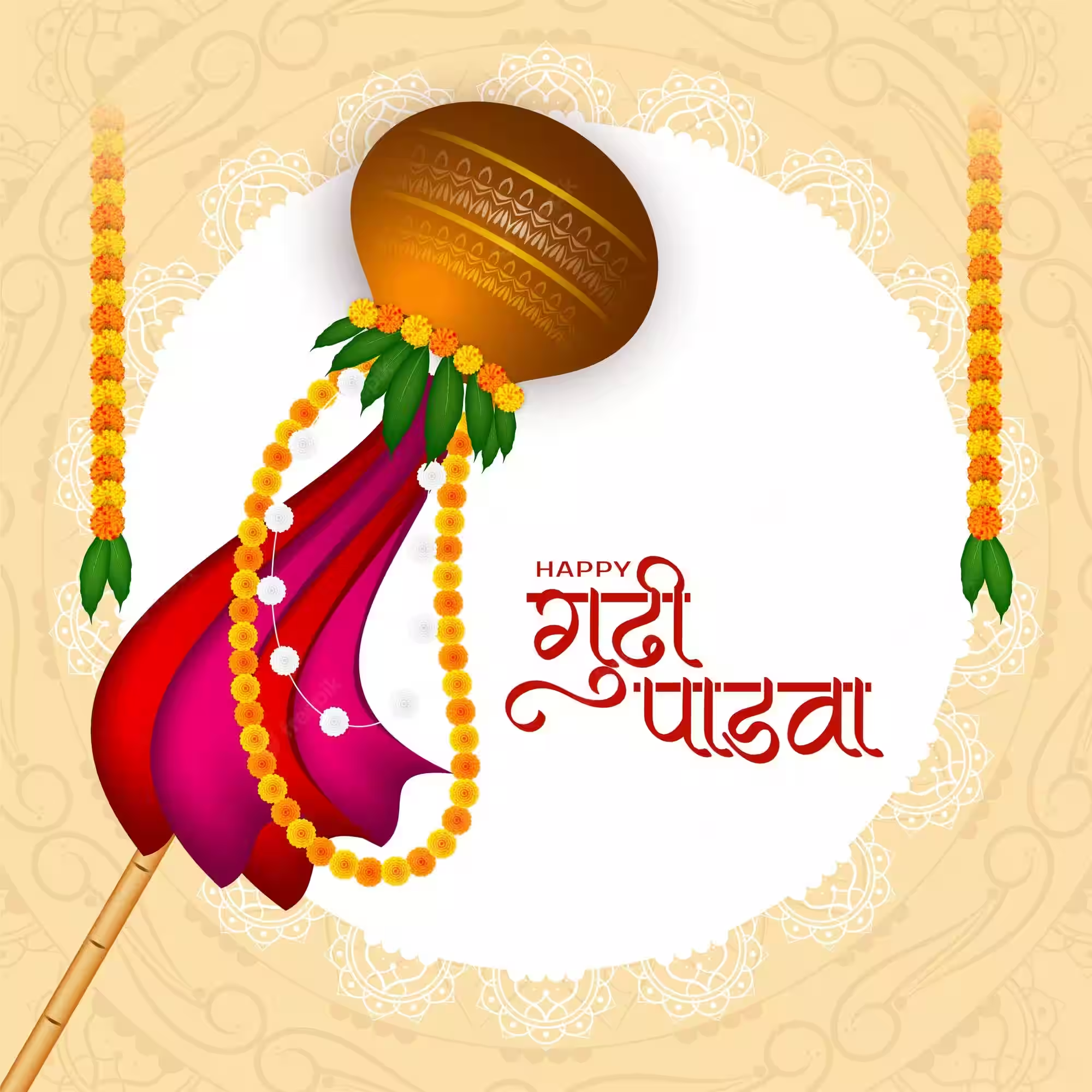
- Gudi – It means a flag or a symbol of victory. It is believed to represent the flag of Lord Brahma.
- Padwa – It means the first day of the new moon phase in the Hindu month of Chaitra.
So, Gudi Padwa means the first day of the Hindu New Year according to the lunar calendar. It usually falls in March or April.
This day marks the beginning of the Chaitra month, which is the first month of the Hindu calendar.
Why Is Gudi Padwa Important?
Gudi Padwa is important because:
- It marks the start of a new year.
- It welcomes the spring season.
- It is believed to be the day when the universe was recreated.
- It is linked with historical and religious events.
- It brings hope, success, and prosperity.
People believe that starting new work on this day brings good luck.
Mythological Stories Behind Gudi Padwa
Many stories are connected with Gudi Padwa. These stories make the festival more meaningful and sacred.
1. Creation of the Universe by Lord Brahma
According to Hindu belief, Lord Brahma recreated the universe on this day.
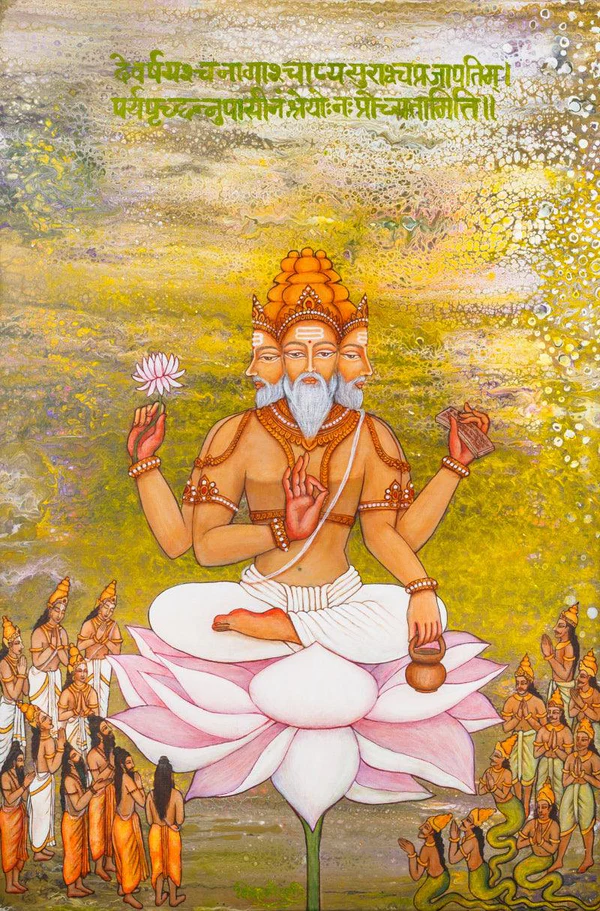
The sacred book called Brahma Purana tells us that after a huge flood destroyed the world and everything stopped, Lord Brahma created a new world. This new time period was called Satyug, the age of truth and honesty.
Because of this story, Gudi Padwa is seen as a day of new beginnings and fresh starts. That is why people worship Lord Brahma on this day.
2. Victory of Chhatrapati Shivaji Maharaj
Another important reason for celebrating Gudi Padwa is linked with Chhatrapati Shivaji Maharaj.
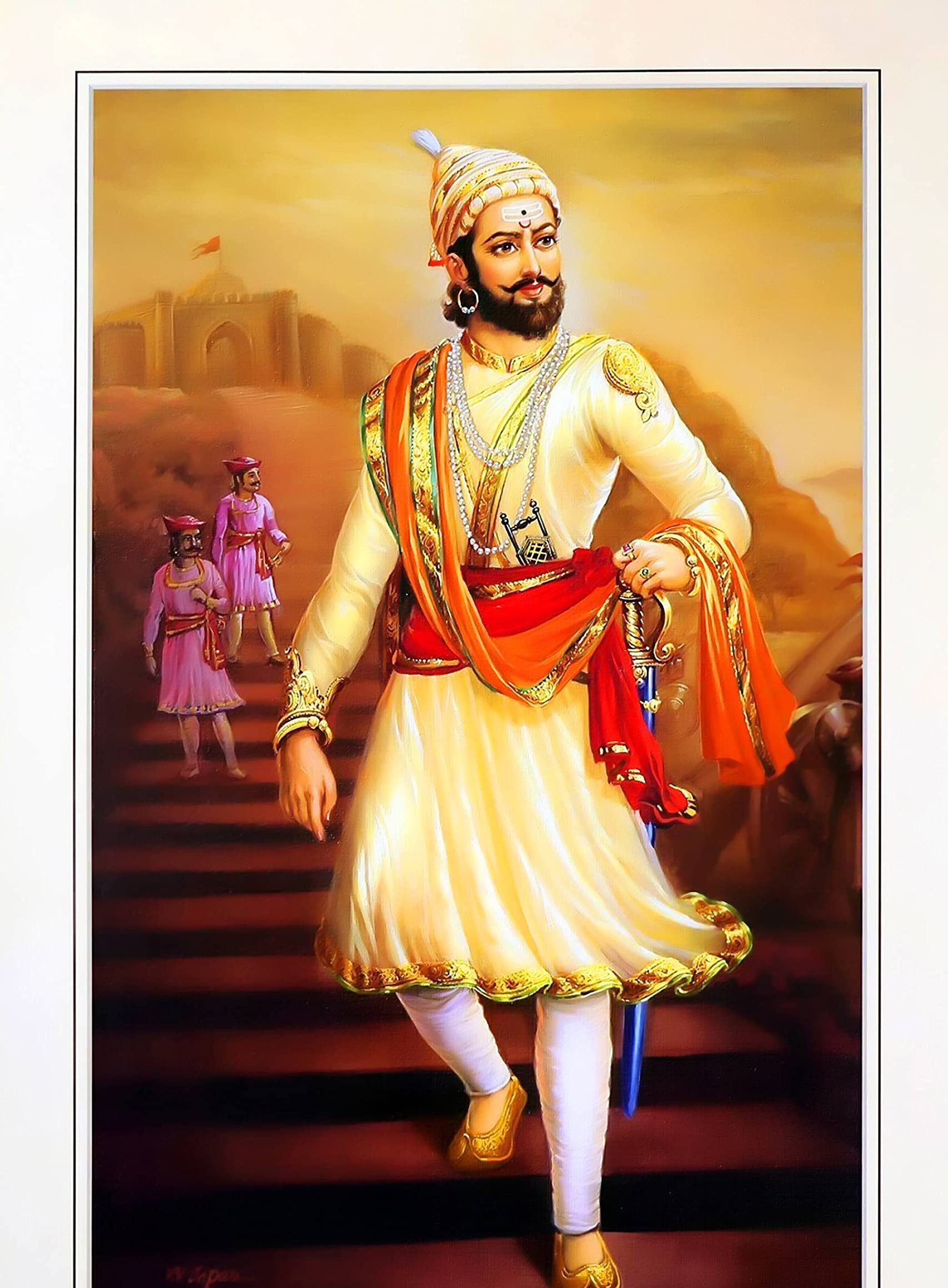
It is believed that Shivaji Maharaj defeated the Mughal rulers on this day in the 17th century. His victory gave pride and confidence to the Maratha people.
Even today, people remember his bravery and courage on Gudi Padwa. His life teaches us to be fearless and to fight for justice.
3. Coronation of Shree Ram
Gudi Padwa is also connected with Lord Rama.
After defeating Ravana and completing 14 years of exile, Lord Rama returned to Ayodhya. On this day, he was crowned as the king.
People celebrated by hoisting a flag called Brahm Dhvaj, which is similar to the Gudi. This is why raising the Gudi is considered a symbol of victory and happiness.
How Gudi Padwa Is Celebrated
Gudi Padwa is celebrated with great excitement and devotion.
1. Making the Gudi
The most important part of Gudi Padwa is the Gudi.
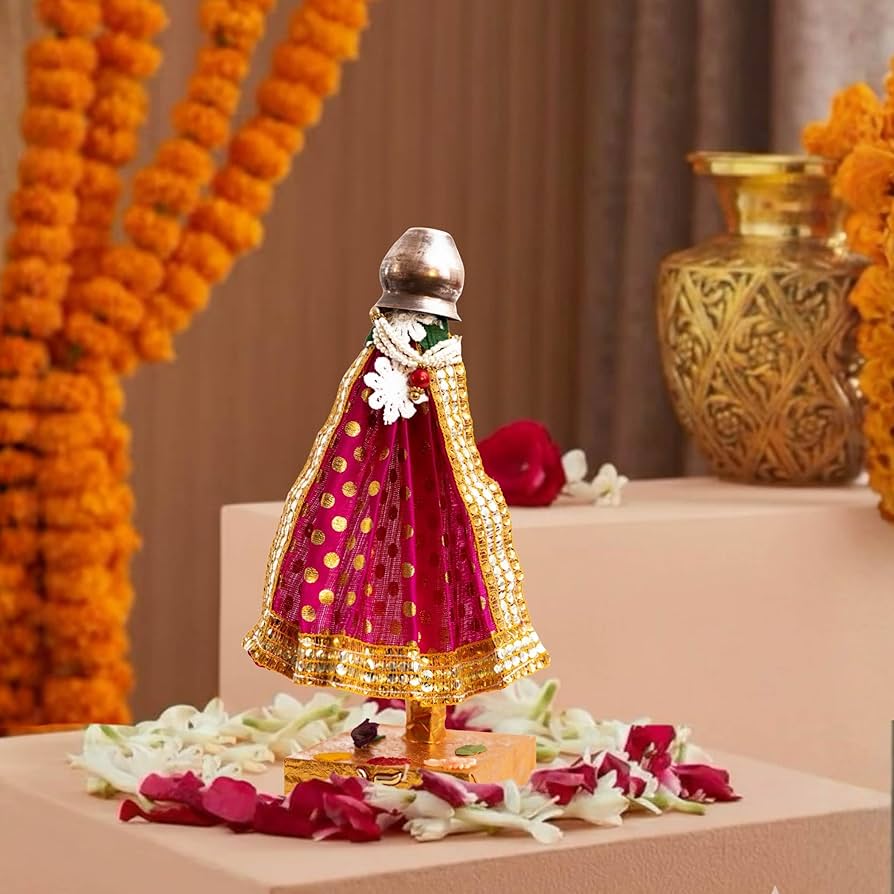
A Gudi is made using:
- A long bamboo stick
- A saffron or yellow cloth
- An inverted silver, brass, or copper pot (kalash)
- Mango or neem leaves
- Sugar crystals and flowers
The Gudi is placed outside the house, usually on the right side of the entrance.
People wake up early, take a bath before sunrise, wear clean clothes, and then worship the Gudi. It is believed that the Gudi removes negative energy and brings good luck.
2. Cleaning Homes and Making Rangoli
Before the festival, people clean and decorate their homes.
Women make beautiful rangoli designs at the entrance. These designs often include:
- Kalash (holy pot)
- Mango leaves
- Flowers
- Bamboo sticks
Rangoli is made using colored powders and flowers. It makes the house look bright and welcoming.
3. Special Traditional Food
Food plays a big role in Gudi Padwa celebrations.
Some special dishes are:
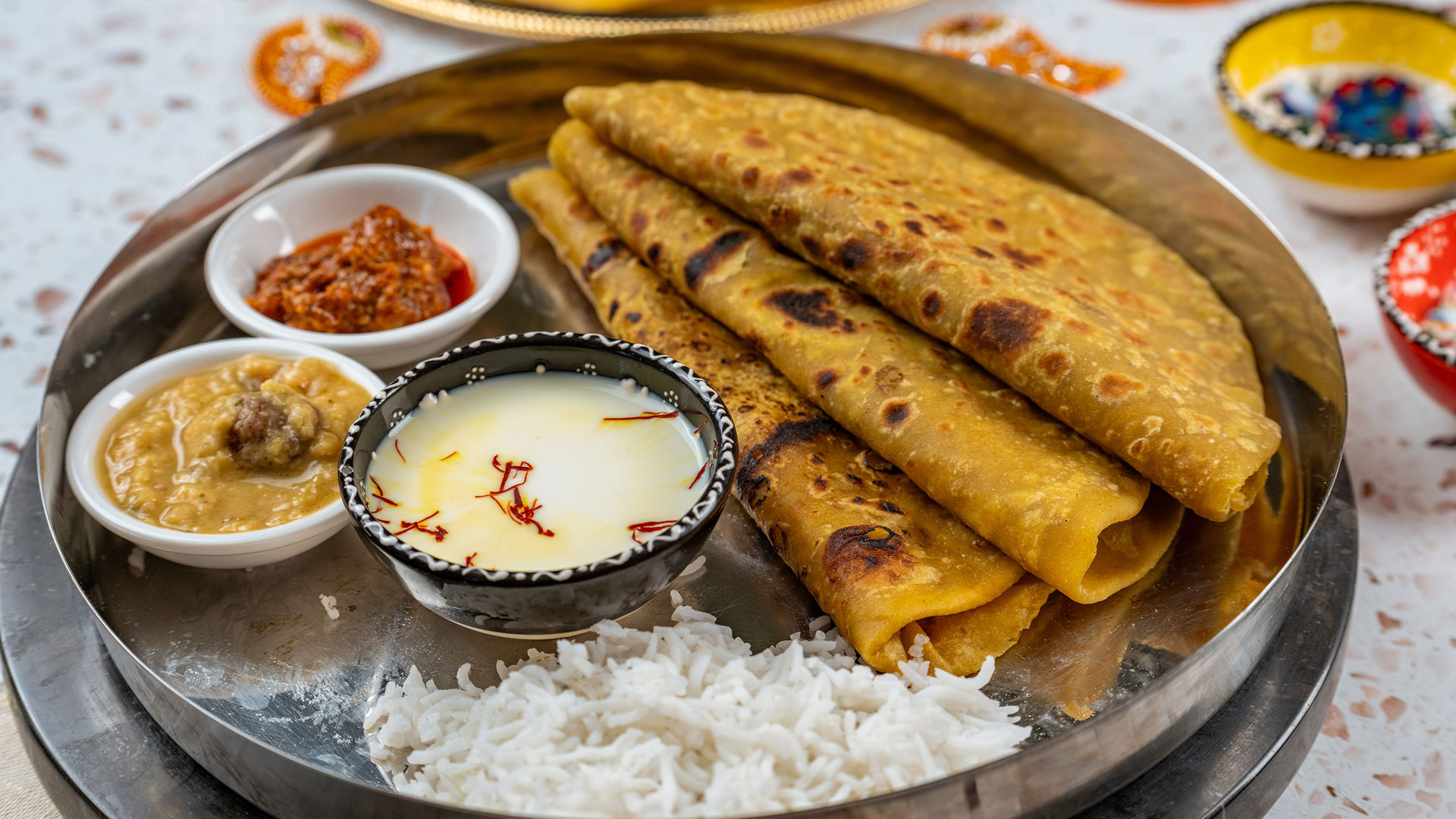
- Shrikhand Puri
- Puran Poli
- Basundi
- Potato Vada
- Moong Dal Vade
- Sev Misal
Shrikhand is a sweet dish made from curd, sugar, and cardamom. Puran Poli is a sweet flatbread stuffed with jaggery and lentils.
Families enjoy these delicious dishes together.
4. Grand Processions
In many cities of Maharashtra, grand processions are organized.
Women wear traditional Nauvari sarees and men wear traditional clothes. Some women even ride motorbikes in rallies.
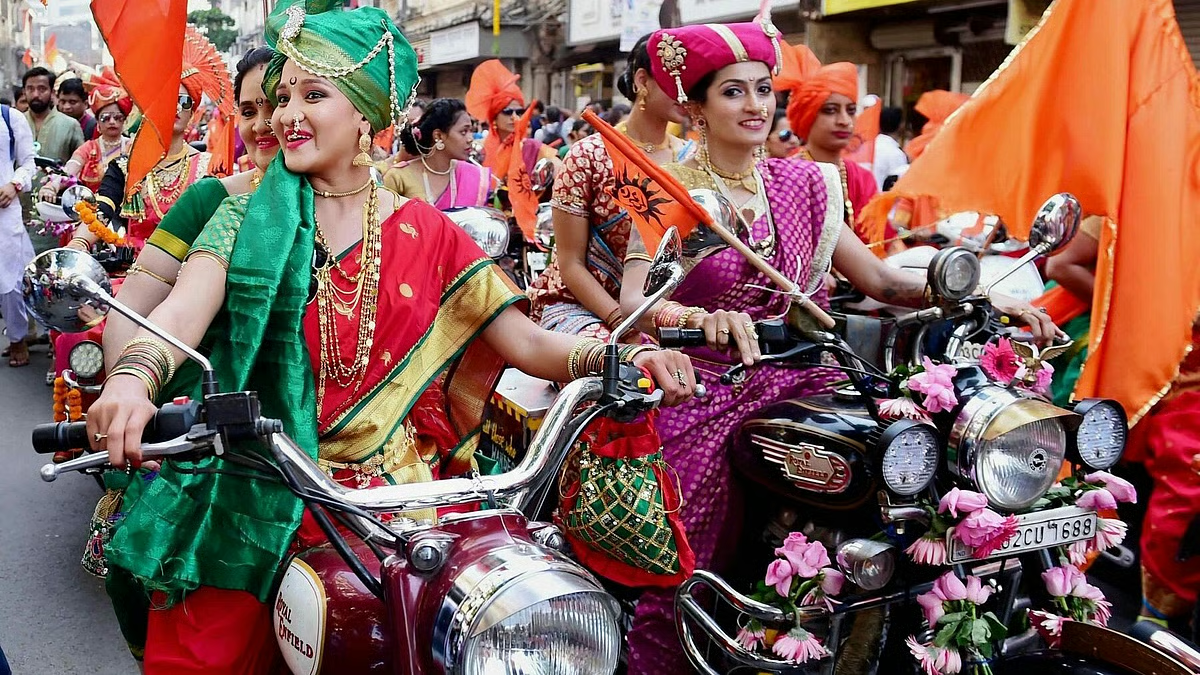
Music, dhol (drums), and dance fill the streets with joy.
Astrological and Spiritual Significance
Gudi Padwa is not only a cultural festival but also has spiritual importance.
- It marks the time when the Sun enters Aries (Mesh Rashi).
- This time is considered lucky for starting new business or projects.
- Farmers believe it marks the beginning of the harvest season.
- It brings positive energy and growth.
The Gudi stands for victory, success, and prosperity.
Importance of Gudi Padwa in Modern Times
Even today, Gudi Padwa holds great value:
- It keeps traditions alive.
- It connects young people to their culture.
- It teaches values like cleanliness, positivity, and gratitude.
- It promotes family bonding.
In big cities like Mumbai and Pune, large public events are organized. Social media is also full of wishes and greetings.
Agricultural Importance
For farmers, Gudi Padwa marks the beginning of the harvest season.
It is a time when:
- Crops are ready
- Nature becomes green
- Flowers bloom
Spring season brings freshness and beauty. Farmers pray for a good harvest and prosperity.
Importance of Spring Season (Vasant Ritu)
Gudi Padwa welcomes Vasant Ritu, the spring season.
Spring is known for:
- Pleasant weather
- Blooming flowers
- New leaves on trees
- Fresh energy in nature
This season symbolizes growth and happiness.
How Gudi Padwa Brings Families Together
Gudi Padwa strengthens family bonds.
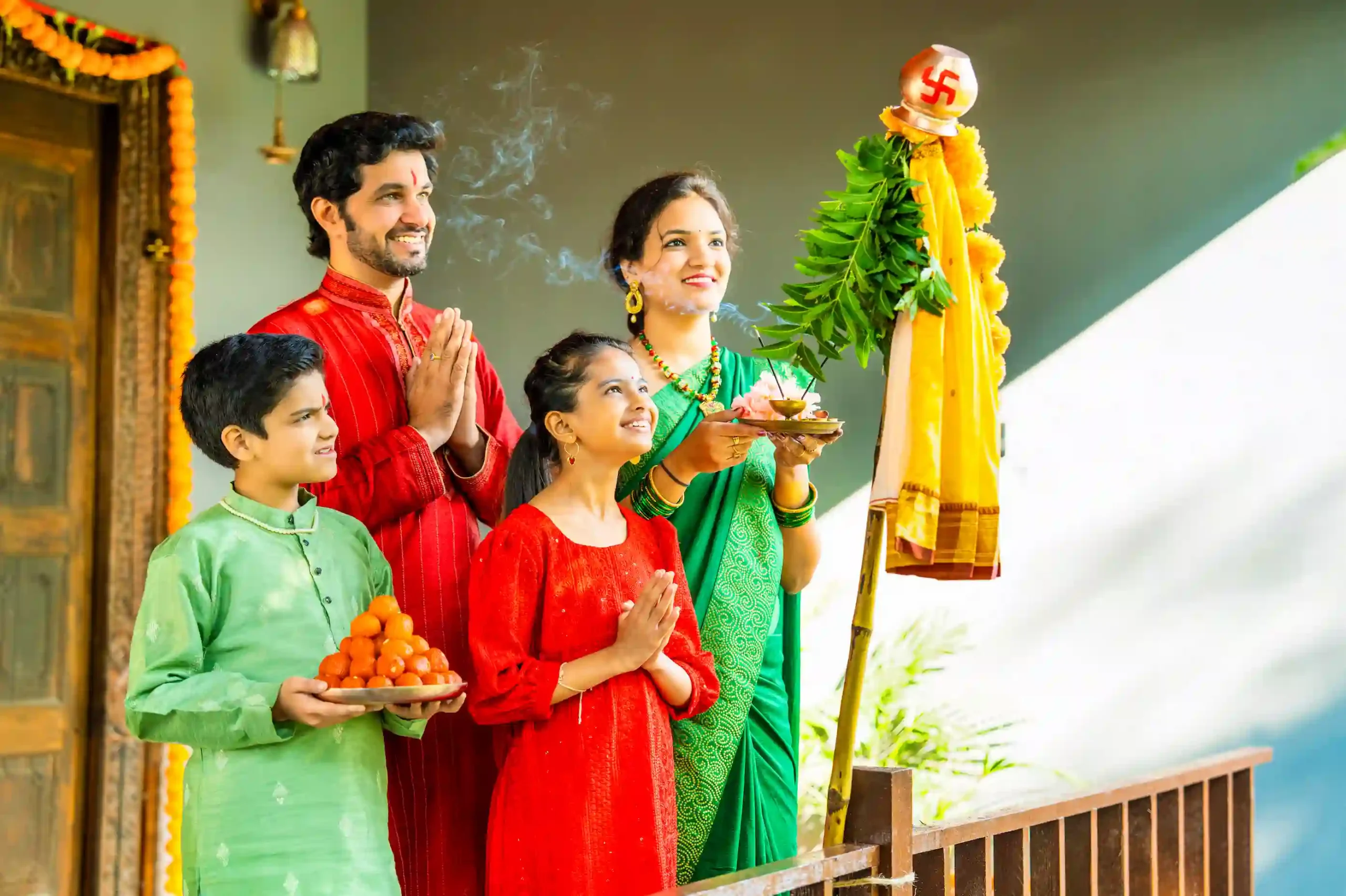
On this day:
- Families gather for prayers
- Elders bless children
- People visit relatives
- Sweets are shared
It creates love and unity.
How Different States Celebrate Similar Festivals
Gudi Padwa is known by different names in other parts of India:
- Ugadi in Karnataka and Andhra Pradesh
- Cheti Chand in Sindhi community
- Navreh in Kashmir
Though the names are different, the meaning is the same – welcoming the New Year with happiness.
Life Lessons from Gudi Padwa
Gudi Padwa teaches us:
- Every year is a fresh start.
- Victory comes after hard work.
- Good always wins over evil.
- Stay positive and hopeful.
- Respect traditions and culture.
Conclusion
Gudi Padwa is much more than just a festival. It is the celebration of a new beginning, victory, and hope. It connects people to their roots and culture. From worshipping the Gudi to enjoying delicious food and taking part in processions, every part of the festival spreads joy.
Whether you live in Maharashtra or anywhere else in the world, Gudi Padwa reminds us to welcome the New Year with positivity and courage.
May this Gudi Padwa bring success, happiness, and prosperity to everyone.
FAQs About Gudi Padwa
1. What is Gudi Padwa?
Gudi Padwa is the Marathi New Year celebrated on the first day of Chaitra month in the Hindu calendar.
2. Why is Gudi Padwa important?
It marks the beginning of the Hindu New Year and symbolizes victory and new beginnings.
3. What is a Gudi?
A Gudi is a decorated bamboo stick with cloth and kalash placed outside homes as a symbol of victory and prosperity.
4. Who celebrates Gudi Padwa?
It is mainly celebrated by Marathi and Konkani Hindus, especially in Maharashtra.
5. What special food is eaten on Gudi Padwa?
Shrikhand, puran poli, basundi, and potato vada are popular dishes.
6. What does eating neem and jaggery symbolize?
It symbolizes accepting both bitter and sweet experiences in life.