


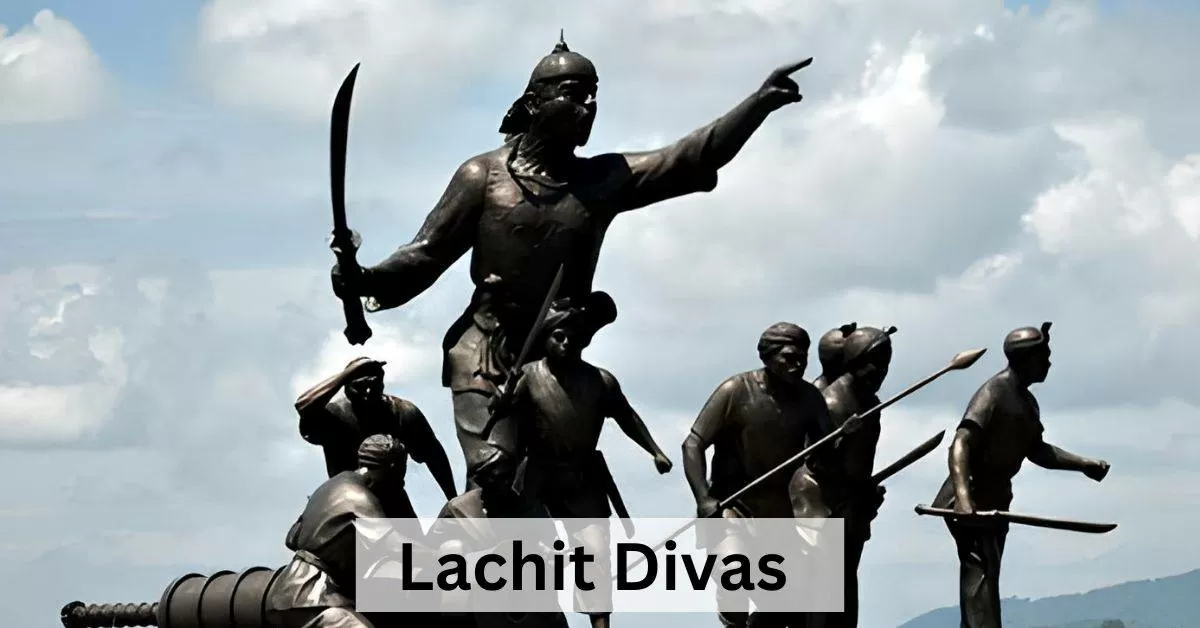
Lachit Divas: History, Significance and the Legacy of Lachit Borphukan

Lachit Divas is an important historical and cultural occasion celebrated every year on 24 November in Assam. The day marks the birth anniversary of the legendary Ahom general Lachit Borphukan, who played a major role in protecting the Ahom Kingdom from Mughal expansion during the 17th century. He is remembered for his exceptional military leadership, patriotism, courage and dedication to his motherland.
Lachit Borphukan became a symbol of bravery in Assamese history after leading the Ahom army to victory against the Mughal forces in the famous Battle of Saraighat in 1671. His military strategies, knowledge of the Brahmaputra River and ability to motivate his soldiers helped the Ahom Kingdom defend its territory.

Every year, people across Assam observe Lachit Divas through cultural programmes, educational activities, discussions and tributes. Schools, colleges, universities and government institutions organise special events to remember his contribution to Assam and Indian history. The occasion also reminds young people of the importance of discipline, responsibility, leadership and service to the nation.
When Is Lachit Divas Celebrated?
Lachit Divas is celebrated every year on 24 November in Assam. The occasion commemorates the birth anniversary of Lachit Borphukan, who was born on 24 November 1622.
The year 2026 marks his 404th birth anniversary. The day is observed with respect and pride across Assam. Government offices, educational institutions and cultural organisations arrange different programmes to remember his contribution to the history of Assam.
Lachit Divas is also an opportunity to introduce younger generations to the history of the Ahom Kingdom and the important role played by its military leaders in protecting the region.
Who Was Lachit Borphukan?
Lachit Borphukan was one of the most respected military commanders in the history of Assam. He was born on 24 November 1622 into the family of Momai Tamuli Borbarua, an important administrator and military official of the Ahom Kingdom.
Lachit received education and training in different subjects, including military skills, humanities and religious scriptures. Before becoming the commander of the Ahom army, he served in several important administrative and military positions.
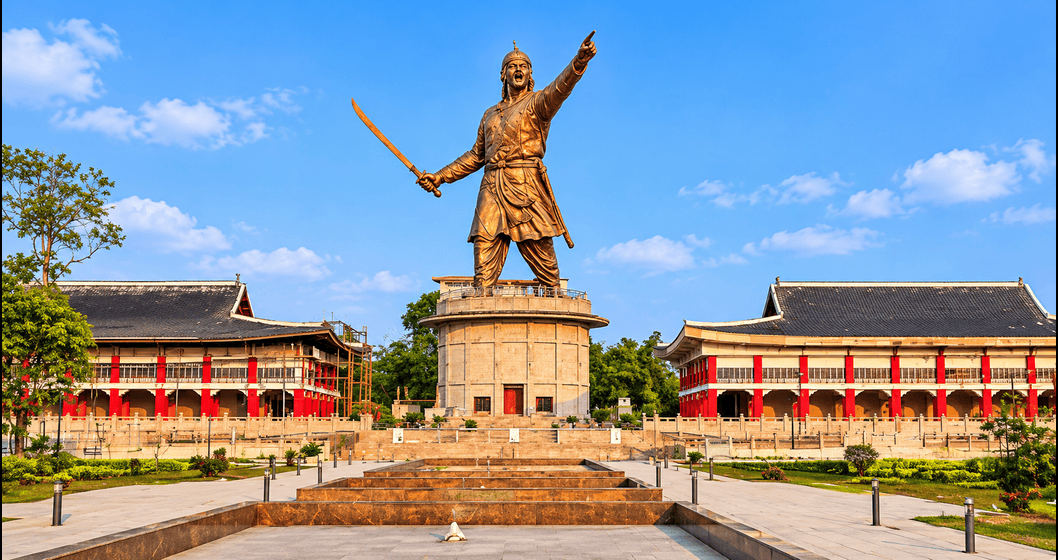
During the reign of Ahom King Swargadeo Chakradhwaj Singha, Lachit was appointed as the Borphukan, a high-ranking military and administrative position in the Ahom Kingdom. His main responsibility was to lead the Ahom forces and protect the kingdom from external attacks.
He played an important role in recovering Guwahati from Mughal control in 1667. Later, he led the Ahom army against the Mughal forces under Raja Ram Singh I in the Battle of Saraighat in 1671.
His leadership and military planning became important factors in the Ahom victory. According to the Government of India’s Press Information Bureau, Lachit Borphukan lived from 24 November 1622 to 25 April 1672.
History of Lachit Divas
The history of Lachit Divas is closely connected with the life and achievements of Lachit Borphukan. His contribution to the defence of Assam made him one of the most important historical figures in the region.
After his victory in the Battle of Saraighat, Lachit became a symbol of courage, military intelligence and patriotism. His life and sacrifice continued to inspire people across Assam.
To honour his contribution, 24 November is observed as Lachit Divas every year. The day is dedicated to remembering his birth anniversary and spreading awareness about his role in protecting the Ahom Kingdom.
In 2022, the Government of India and the Assam Government organised year-long celebrations to mark the 400th birth anniversary of Lachit Borphukan. The celebrations began in February 2022, and the President of India, Ram Nath Kovind, attended the inaugural programme in Guwahati.
The celebrations concluded with a national-level programme in New Delhi on 25 November 2022, attended by Prime Minister Narendra Modi. A book titled Lachit Borphukan – Assam’s Hero Who Halted the Mughals was also released during the occasion.
The Battle of Saraighat (1671)
The Battle of Saraighat was one of the most important events in the history of Assam. It was fought in 1671 between the Ahom Kingdom and the Mughal Empire on the Brahmaputra River near present-day Guwahati.
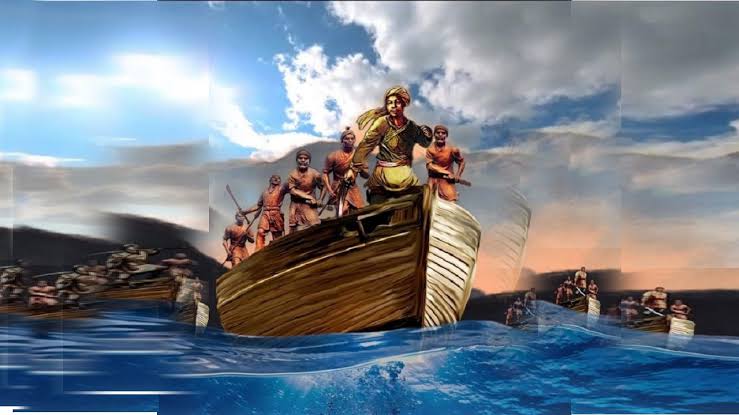
During the 17th century, the Mughal Empire was expanding its territories under Emperor Aurangzeb. The Mughals wanted to extend their control over Assam because of its strategic geographical position and resources.
The Mughal army was led by Raja Ram Singh I, while the Ahom forces were commanded by Lachit Borphukan.
The conflict became challenging for the Ahom Kingdom because the Mughal army had considerable military strength and a large naval force. However, Lachit understood the geographical advantages of the Brahmaputra River and planned his military operations accordingly.
Military Strategies Used by Lachit Borphukan
Lachit Borphukan understood that fighting the Mughal army through direct confrontation could be difficult. Therefore, he used the geographical conditions of Assam to strengthen his military position.
Some important strategies included:
- River warfare: He used the Brahmaputra River to organise the Ahom forces and challenge the larger Mughal naval force.
- Knowledge of geography: The Ahom soldiers used their understanding of the river, its currents and surrounding areas to their advantage.
- Smaller boats: The Ahom forces used smaller and more manoeuvrable boats to conduct naval operations.
- Fortifications: Defensive arrangements and river positions helped protect important areas.
- Leadership and motivation: Lachit’s personal leadership encouraged the soldiers to continue fighting even during difficult situations.
During the final stage of the battle, Lachit was seriously ill. However, when he saw that the Ahom soldiers were losing confidence, he personally joined the fighting and encouraged them to continue their resistance. His presence helped strengthen the morale of the Ahom army.
The Ahom forces eventually defeated the Mughal army, making the Battle of Saraighat a significant event in Indian military history. The Government of Assam’s Kamrup district administration also highlights the importance of the Ahom riverine strategy and Lachit’s leadership in this battle.
The Famous Story of Lachit Borphukan and His Uncle
One of the most popular stories associated with Lachit Borphukan demonstrates his strong sense of duty and discipline.
According to the traditional account, during the preparations for the conflict with the Mughals, Lachit ordered the construction of an important defensive embankment. He assigned his maternal uncle the responsibility of supervising the work.
However, when Lachit inspected the construction, he found that the work was not progressing properly. His uncle had failed to complete the assigned responsibility on time.
Lachit considered this negligence a serious mistake because the safety of the kingdom depended on the defensive preparations. According to the popular historical account, he punished his uncle severely, even ordering his execution.
The incident is remembered through the famous words:
“My uncle is not greater than my motherland.”
This story represents the importance of responsibility, discipline and dedication to one’s country. It also teaches that personal relationships should not come before public duty.
The defensive structure associated with this story is traditionally known as Momai-Kota Garh.
Why Do We Celebrate Lachit Divas?
Lachit Divas is not only a celebration of a historical personality. It also reminds people of the values that helped protect Assam during a difficult period.
Here are some important reasons why this day is celebrated.
1. To Remember His Patriotism
Lachit Borphukan dedicated his life to protecting the Ahom Kingdom. His contribution reminds people of the importance of loving and protecting their motherland.
2. To Honour His Military Leadership
His victory in the Battle of Saraighat demonstrated how proper planning, geographical knowledge and strong leadership could help an army overcome a powerful opponent.
3. To Preserve Assamese History and Culture
Lachit Divas helps younger generations understand the history of the Ahom Kingdom and the contribution of Assamese historical figures to India’s past.
4. To Inspire Students and Young People
His life teaches students the importance of discipline, hard work, courage and responsibility. These values are useful in education, professional life and public service.
5. To Recognise the Contribution of Assam to Indian History
The Battle of Saraighat is an important part of India’s military history. Lachit Divas provides an opportunity to highlight the contribution of Assam to the country’s historical heritage.
How Is Lachit Divas Celebrated in Assam?
Lachit Divas is celebrated across Assam with different cultural, educational and official programmes. People from different communities participate in the celebrations to pay respect to the legendary Ahom general.
Some common activities organised on this occasion include:
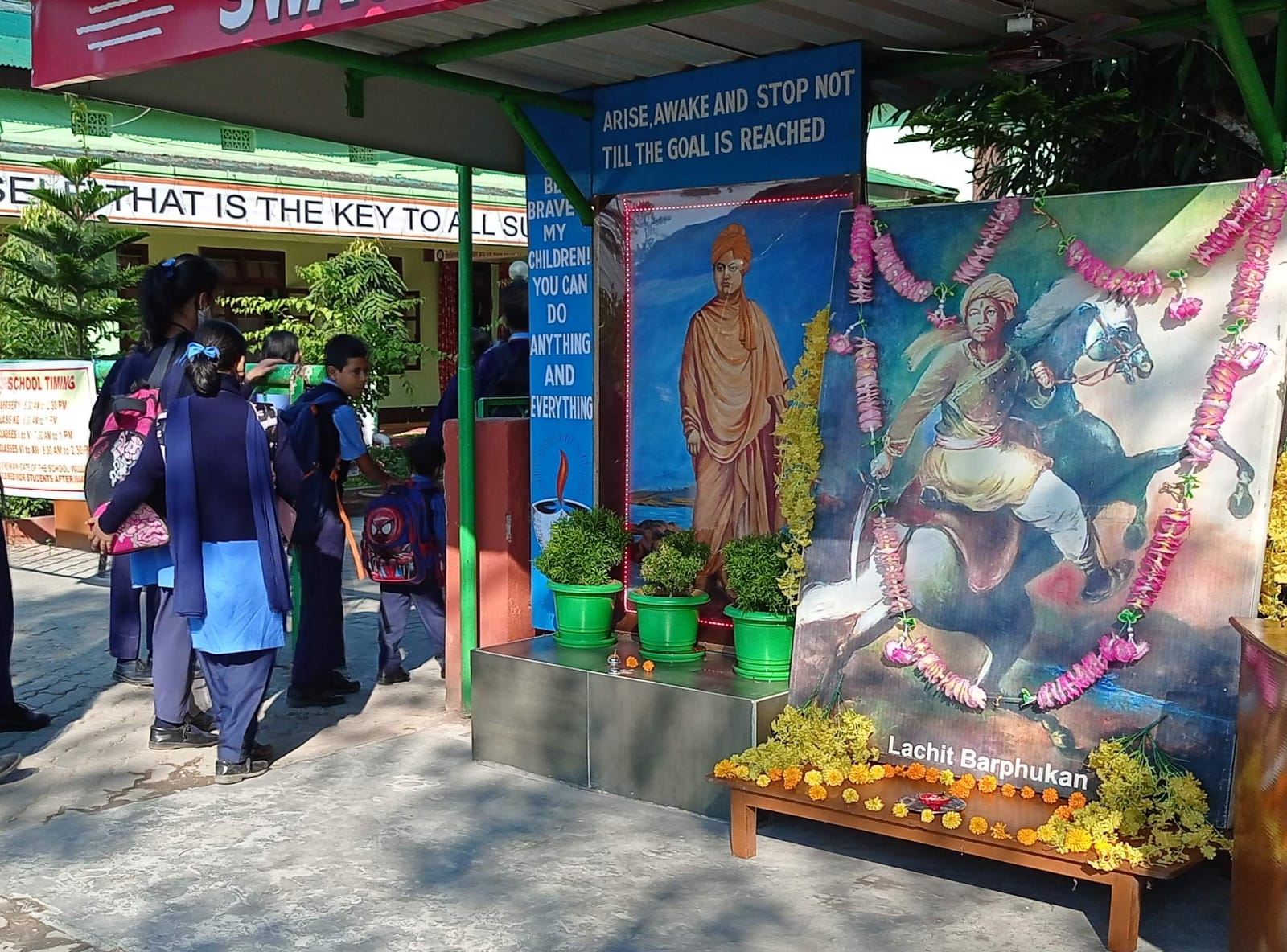
- Floral tributes: People offer flowers and pay respect to statues and portraits of Lachit Borphukan.
- School and college programmes: Educational institutions organise speeches, essay competitions, debates and quizzes about his life.
- Cultural programmes: Traditional Assamese performances, songs and cultural activities are organised.
- Historical discussions: Teachers, historians and speakers discuss the Battle of Saraighat and the achievements of the Ahom Kingdom.
- Government programmes: Government institutions organise official ceremonies and commemorative events.
- Awareness campaigns: Social media platforms and educational organisations share information about Lachit’s life and contribution.
These activities help preserve the historical importance of Lachit Borphukan and encourage young people to learn more about Assam’s heritage.
Modern Recognition of Lachit Borphukan
The contribution of Lachit Borphukan is recognised beyond Assam. Several national-level initiatives have helped introduce his achievements to people across India.
Some important examples of his recognition include:
Lachit Borphukan Gold Medal at NDA
Since 1999, the National Defence Academy (NDA), Pune, has awarded the Lachit Borphukan Gold Medal to its best cadet. The medal honours his military courage, discipline and leadership.
400th Birth Anniversary Celebrations
In 2022, the Government of India organised national-level programmes to mark his 400th birth anniversary. The celebrations helped bring greater attention to his contribution to Indian history.
National Recognition
Prime Minister Narendra Modi attended the closing ceremony of the 400th birth anniversary celebrations in New Delhi on 25 November 2022. He also paid tribute to Lachit Borphukan and highlighted his role in preserving Assam’s cultural heritage.
Historical Publications
The book Lachit Borphukan – Assam’s Hero Who Halted the Mughals was released during the 2022 national celebrations. It helped make his history and achievements more accessible to readers.
Important Lessons from Lachit Borphukan’s Life for Today’s Youth
The life of Lachit Borphukan provides several important lessons for students and young people. His achievements were not only based on military strength but also on his discipline, determination and commitment to responsibility.
Here are some important lessons:
| Value | Lesson from His Life |
|---|---|
| Patriotism | Always respect and protect your motherland. |
| Discipline | Complete your responsibilities with honesty and dedication. |
| Leadership | A good leader guides and motivates others. |
| Courage | Face difficult situations with confidence. |
| Responsibility | Put duty before personal interests. |
| Determination | Never give up when facing challenges. |
His life demonstrates that leadership is not simply about holding a position. It is about taking responsibility, making difficult decisions and working for the greater good.
Lachit Divas and Its Importance in Assamese Identity
Lachit Divas has a special place in the cultural identity of Assam. It connects people with the history of the Ahom Kingdom and reminds them of the sacrifices made by earlier generations to protect their land.
The Ahom Kingdom ruled Assam for nearly six centuries, from the 13th century until the early 19th century. During this long period, several Ahom rulers and military commanders played important roles in protecting the kingdom.
Among them, Lachit Borphukan became one of the most recognised historical figures because of his contribution to the Battle of Saraighat.
His story is passed from one generation to another through textbooks, historical discussions, cultural programmes and public celebrations. Observing Lachit Divas helps ensure that his contribution remains an important part of Assam’s historical memory.
The occasion also provides an opportunity to understand the importance of unity, courage and responsibility in society.
Remembering the Legacy of Lachit Borphukan
Lachit Divas is a reminder of the courage, sacrifice and determination of one of Assam’s most respected historical personalities. His victory in the Battle of Saraighat in 1671 remains an important chapter in the history of the Ahom Kingdom and Indian military heritage.
Lachit Borphukan’s life teaches us that true leadership comes with responsibility, discipline and dedication. His commitment to protecting his motherland continues to inspire students, young people and citizens across the country.
As Assam celebrates Lachit Divas every year on 24 November, it is important to remember not only his victory but also the values that shaped his life. His legacy will continue to guide future generations and remind them of the importance of courage, patriotism and service to the nation.
Frequently Asked Questions (FAQs)
1. When is Lachit Divas celebrated?
Lachit Divas is celebrated every year on 24 November in Assam to mark the birth anniversary of Lachit Borphukan.
2. Who was Lachit Borphukan?
Lachit Borphukan was a famous military commander of the Ahom Kingdom who led the Ahom army to victory against the Mughal forces in the Battle of Saraighat in 1671.
3. Why is Lachit Divas celebrated?
Lachit Divas is celebrated to honour the bravery, patriotism, military leadership and contribution of Lachit Borphukan to the history of Assam.
4. When was Lachit Borphukan born?
Lachit Borphukan was born on 24 November 1622.
5. When was the Battle of Saraighat fought?
The Battle of Saraighat was fought in 1671 between the Ahom Kingdom and the Mughal Empire on the Brahmaputra River near present-day Guwahati.
6. Who led the Mughal army in the Battle of Saraighat?
The Mughal army was led by Raja Ram Singh I during the Battle of Saraighat.
7. Who was the Ahom king during the Battle of Saraighat?
Swargadeo Chakradhwaj Singha was the Ahom king during the period of Lachit Borphukan’s military leadership.
8. What is the Lachit Borphukan Gold Medal?
The Lachit Borphukan Gold Medal is awarded to the best cadet of the National Defence Academy in recognition of the courage and military leadership associated with Lachit Borphukan.
9. When did Lachit Borphukan die?
Lachit Borphukan died on 25 April 1672, approximately one year after the Battle of Saraighat.
10. Where is Lachit Borphukan’s Maidam located?
Lachit Maidam is located at Hoolungapara near Jorhat in Assam. It is the memorial associated with his final resting place.