World Contraception Day 2025: Breaking Barriers, Building Bridges for Global Access

World Contraception Day 2025 is observed annually on September 26, a global initiative aimed at raising awareness about contraceptive options, family planning, and reproductive health. The day emphasizes the importance of making informed choices, breaking myths, ensuring equal access, and empowering individuals—particularly women and young people—to take control of their reproductive lives.
Thank you for reading this post, don't forget to subscribe!As the world continues to grapple with challenges such as unintended pregnancies, unmet contraceptive needs, cultural taboos, and health disparities, World Contraception Day 2025 offers a timely opportunity to engage communities, policymakers, educators, and healthcare professionals. The mission is clear: to create a world where every pregnancy is wanted, every childbirth is safe, and every young person’s future is protected.
This cluster blog explores the history, significance, global campaigns, regional challenges, medical perspectives, cultural considerations, innovative technologies, and future outlook of World Contraception Day.
History of World Contraception Day
World Contraception Day was launched in 2007, spearheaded by a coalition of international NGOs, governments, and healthcare organizations. Its founding goal was to address the high rates of unintended pregnancies worldwide, especially among adolescents, and to promote the idea of informed reproductive choices.
- Early Campaigns (2007–2012): Focused on awareness about contraceptive methods, especially targeting youth education.
- Expansion Phase (2013–2018): Inclusion of broader themes such as reproductive rights, healthcare equity, and the role of men in contraception.
- Digital Revolution (2019–2023): Use of social media campaigns, digital education, and global collaborations to reach wider audiences.
- Modern Relevance (2024–2025): Addressing post-pandemic challenges in healthcare delivery, supply chain disruptions of contraceptives, and tackling misinformation in the digital era.
Significance of World Contraception Day 2025
The importance of this observance goes far beyond the use of contraceptives—it’s about empowerment, gender equality, and sustainable development.
- Reducing Unintended Pregnancies: Globally, around 121 million unintended pregnancies occur annually, highlighting the unmet need for family planning.
- Preventing Unsafe Abortions: Approximately 45% of abortions worldwide are unsafe, often due to lack of contraceptive access.
- Empowering Women and Girls: Contraceptive access allows women to pursue education, careers, and healthier family planning choices.
- Supporting Sustainable Development Goals (SDGs): Directly contributes to SDG 3 (Good Health and Well-Being) and SDG 5 (Gender Equality).
- Promoting Men’s Involvement: Encourages shared responsibility between partners in family planning.
World Contraception Day Campaigns and Themes
Every year, World Contraception Day has a unifying theme to direct global action. World Contraception Day 2025 will focus on the theme “Breaking Barriers, Building Bridges – Contraceptive Access for All.”
- Breaking Barriers: Tackling social stigma, misinformation, religious taboos, and gender bias that restrict contraceptive use.
- Building Bridges: Strengthening collaborations between governments, NGOs, healthcare providers, and communities to ensure universal access.
- Contraceptive Access for All: Emphasizing inclusivity—ensuring adolescents, rural populations, LGBTQ+ communities, and marginalized groups are not left behind.
Campaigns will utilize social media hashtags (#ContraceptionDay2025, #BreakingBarriersBuildingBridges), youth-led workshops, healthcare drives, and policy dialogues to spread awareness.
Types of Contraception: A Comprehensive Guide

Understanding the variety of contraceptive methods is central to the awareness campaigns of World Contraception Day 2025.
- Barrier Methods:
- Condoms (male and female)
- Diaphragms and cervical caps
- Spermicidal foams and gels
- Hormonal Methods:
- Oral contraceptive pills
- Injections
- Hormonal patches and rings
- Implants
- Intrauterine Devices (IUDs):
- Copper IUD
- Hormonal IUD
- Permanent Methods:
- Tubal ligation for women
- Vasectomy for men
- Natural Methods:
- Fertility awareness-based methods
- Withdrawal method
- Emergency Contraception:
- Morning-after pills
- Copper IUD as emergency option
Global Perspective on Contraception Access
- Developed Nations: Widespread access but challenges remain in affordability and misinformation.
- Developing Nations: Struggle with limited healthcare infrastructure, cultural taboos, and supply chain gaps.
- Conflict Zones: Women and children are most vulnerable, with family planning services often disrupted.
- Youth and Adolescents: Globally, more than 214 million women of reproductive age still lack safe, modern contraceptive methods.
Regional Challenges and Solutions
1. Africa
- Challenge: High rates of adolescent pregnancy and unmet contraceptive needs.
- Solution: Expanding school-based sex education and improving rural health services.
2. Asia
- Challenge: Cultural stigma and gender inequality.
- Solution: Government-subsidized contraceptives, awareness campaigns, and engaging religious leaders.
3. Europe
- Challenge: Decreasing fertility rates raising political debates about contraception promotion.
- Solution: Balancing reproductive rights with national population policies.
4. Latin America
- Challenge: Catholic influence and restrictive abortion laws.
- Solution: Advocacy groups focusing on women’s rights and public health.
5. North America
- Challenge: Political debates around reproductive rights, especially in the U.S.
- Solution: Strengthening policy advocacy and protecting contraceptive coverage under healthcare laws.
Role of Education in Contraception Awareness
Education is the backbone of effective contraceptive awareness. Comprehensive sexuality education in schools, digital platforms for young adults, and training for healthcare providers are crucial.
- School Curriculums: Countries with comprehensive sex education show lower teenage pregnancy rates.
- Digital Outreach: Social media campaigns, online counseling, and telemedicine.
- Community Leaders: Involving teachers, parents, and religious figures to normalize conversations.
Cultural and Religious Considerations
Contraceptive use is often shaped by cultural and religious beliefs. While some communities embrace family planning as responsible behavior, others oppose it due to moral or traditional values.
- Islamic Communities: Perspectives vary, with some scholars supporting contraception within marriage.
- Catholic Influence: Official doctrine opposes artificial contraception, but many adherents use it.
- Indigenous Practices: Traditional herbal and natural methods remain part of reproductive practices.
Innovations in Contraceptive Technology
Modern science is reshaping the contraceptive landscape.
- Male Contraceptive Pills: Currently in advanced clinical trials.
- Smart Contraceptives: Mobile apps tracking fertility with medical accuracy.
- Long-acting Reversible Contraceptives (LARCs): Implants and hormonal IUDs gaining popularity.
- Non-hormonal Contraceptives: For individuals sensitive to hormones.
- Contraceptive Vaccines: Future possibility still in research.
Role of Governments and NGOs
- Policy Frameworks: Ensuring contraceptive access is a human right.
- Funding Programs: International organizations like UNFPA, WHO, and Gates Foundation provide funding and technical support.
- NGO Interventions: Grassroots programs delivering contraceptives in remote and underserved regions.
Myths and Misconceptions about Contraception
Despite progress, myths remain a major barrier:
- “Contraceptives cause infertility.”
- “Pills cause cancer.”
- “Condoms are unsafe.”
- “Contraception is only a woman’s responsibility.”
Campaigns in 2025 aim to debunk these myths through digital education, influencer collaborations, and healthcare counseling.
World Contraception Day 2025 and Youth Empowerment
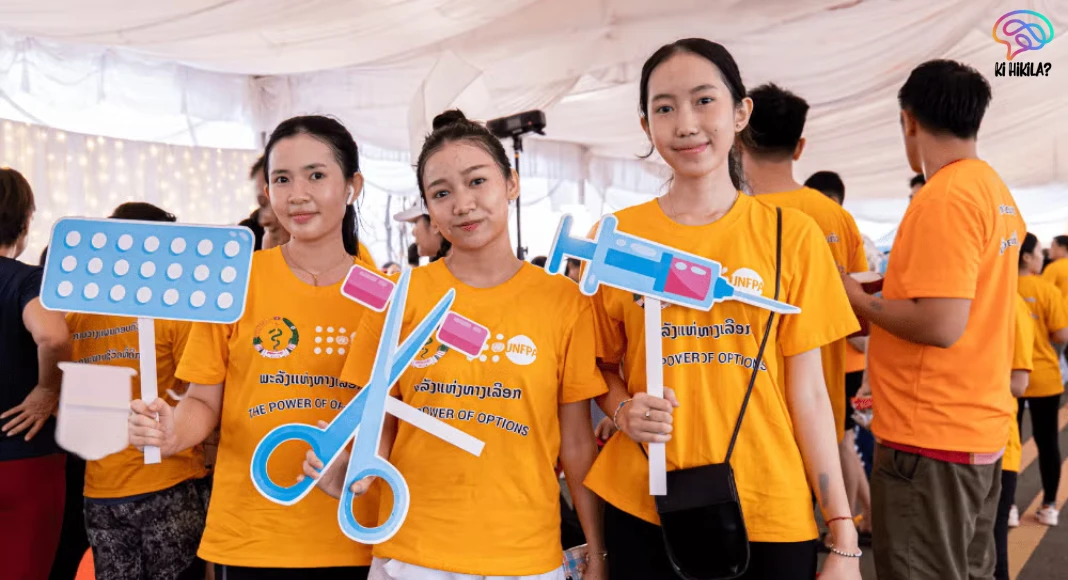
Young people are at the center of global contraceptive challenges, and their role in shaping the future of reproductive health cannot be overstated. Adolescents and young adults often face limited knowledge, misinformation, peer pressure, cultural stigma, and a lack of open dialogue around sexual and reproductive health. These barriers not only increase the risk of unintended pregnancies but also expose them to sexually transmitted infections (STIs) and lifelong consequences that affect education, career prospects, and overall well-being.
World Contraception Day 2025 places a strong emphasis on youth empowerment by encouraging inclusive, age-appropriate, and evidence-based education. Youth-led campaigns, peer educators, school-based workshops, and community engagement programs are breaking the silence and creating safe spaces for young people to ask questions and seek guidance without judgment. Digital apps, social media platforms, and online counseling services are also emerging as powerful tools, offering confidential, accessible, and youth-friendly information about contraceptive methods and safe practices.
By prioritizing the voices of young people, World Contraception Day 2025 highlights the need to involve adolescents in decision-making processes, ensuring that policies and healthcare services are designed with their realities in mind. Empowering youth with the right tools, accurate knowledge, and accessible contraceptive options not only protects their health but also fosters a generation that is more informed, confident, and capable of making responsible choices about their reproductive futures.
Future Outlook: Building a World of Choice
The vision for World Contraception Day 2025 and beyond is bold yet achievable: a world where contraceptive access is universal, affordable, stigma-free, and recognized as a fundamental human right. With innovative technologies, inclusive policies, and active youth involvement, the barriers of today can be broken, and bridges of tomorrow can be built.
Conclusion

World Contraception Day 2025 is not just a date on the calendar—it’s a movement toward empowering individuals, promoting equality, and safeguarding futures. By focusing on the theme “Breaking Barriers, Building Bridges – Contraceptive Access for All,” this global observance calls for collective action. Whether through education, advocacy, or policy, the day reminds us that access to contraception is more than healthcare—it’s about human dignity, choice, and freedom.
FAQs on World Contraception Day 2025
Q1: What is World Contraception Day 2025?
A: It’s a global observance on September 26 that promotes awareness and access to contraceptive options.
Q2: Why is contraception important?
A: It prevents unintended pregnancies, protects reproductive rights, and empowers individuals to make informed life choices.
Q3: What is the theme of World Contraception Day 2025?
A: The theme is “Breaking Barriers, Building Bridges – Contraceptive Access for All.”
Q4: How can governments support contraception?
A: By ensuring policy support, funding, and universal healthcare coverage for contraceptive services.
Q5: What are the main types of contraceptives?
A: Contraceptives can be categorized into:
- Emergency contraception: morning-after pills and copper IUDs
- Barrier methods: condoms, diaphragms, cervical caps
- Hormonal methods: pills, injections, patches, implants
- Intrauterine devices (IUDs): copper and hormonal
- Permanent methods: tubal ligation, vasectomy
- Natural methods: fertility awareness, withdrawal
Q6: How does contraception relate to gender equality?
A: It allows women and men to share responsibility, supporting women’s education, careers, and decision-making power.
Q7: What role does education play?
A: Comprehensive sex education reduces myths, lowers teenage pregnancy, and increases contraceptive use.
Q8: How does World Contraception Day 2025 address these challenges?
A: The day promotes awareness campaigns, policy advocacy, youth engagement, and public education programs. It encourages collaboration among governments, NGOs, healthcare providers, and local communities to expand access, dispel myths, and create inclusive reproductive health services.
Q9: What role does technology play in modern contraceptive awareness?
A: Technology offers digital platforms, mobile apps, telemedicine, online counseling, and social media campaigns that provide confidential, accessible, and accurate information. These tools are particularly useful for reaching youth, remote communities, and populations that face social or cultural barriers to traditional healthcare.
Q10: How can individuals advocate for better contraceptive access?
A: Individuals can raise awareness in their communities, volunteer with NGOs, participate in social media campaigns, support policies promoting reproductive rights, and educate peers about safe and effective contraceptive methods.